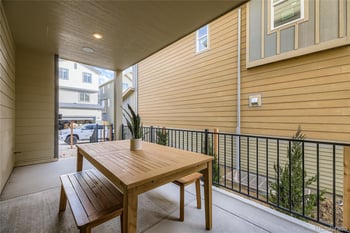

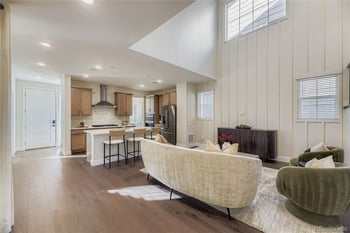
Westminster CO homes for sale range from Standley Lake and Legacy Ridge to Bradburn and newer condos near Westminster Station, with US 36 shaping the Denver and Boulder commute. Expect pockets with HOAs and varied school boundaries, but most days look like Big Dry Creek Trail walks or a quick run to shops off 120th and Sheridan, verify HOA rules by address.


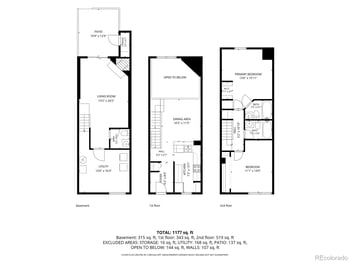
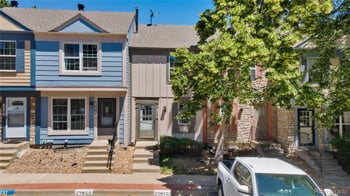



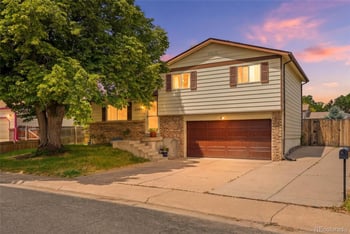
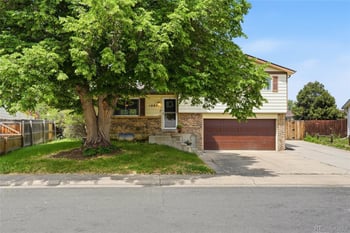


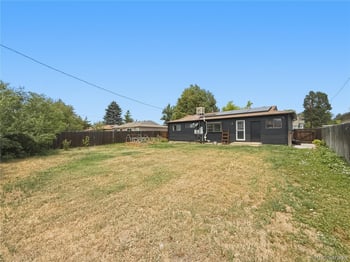
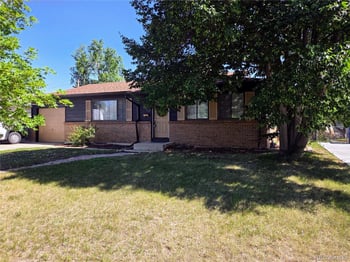
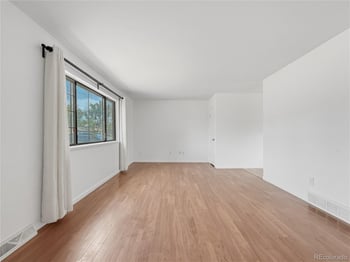


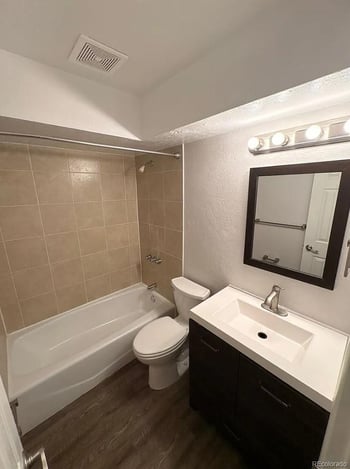
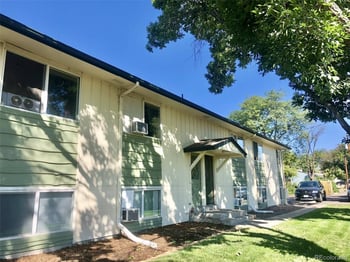
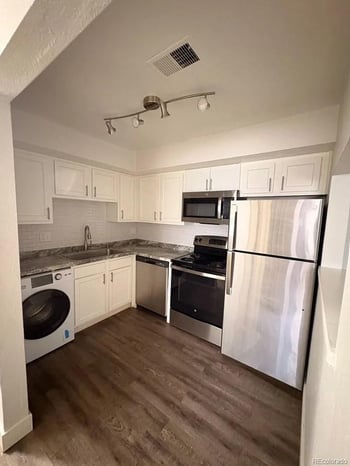


Westminster tends to win people over in small, practical ways: you can be on US-36 fast, you’ve got real open space like Standley Lake and Westminster Hills, and the trail system is close enough that it actually becomes part of your weeknight routine. Use the cards below like a quick sanity check while you click through the homes above—these are the details that shape daily life once you’re moved in.
If your work life points toward Denver or Boulder, Westminster is built around US-36.
The Flatiron Flyer can be a real tool when your start/end times line up with the schedule, and the US-36 & Sheridan and Church Ranch Park-n-Rides are a simple “park once” option that keeps a commute from taking over your day.
Sheridan Blvd matters more than most buyers expect—Westminster is split between Jefferson County and Adams County.
That can change where you pull records, how some services are handled, and what you’ll see when you look up taxes. It’s an easy “verify by address” step that prevents surprises later.
People love Standley Lake for the views and wildlife, especially when it’s calm—but it’s not a swim lake.
There is no swimming or wading (even for dogs), and paddlecraft use is seasonal with a check-in process. If lake time is part of your lifestyle, this is the rule-set you’ll want to know upfront.
The trail system here isn’t just “nice.” It’s how people squeeze in a walk after dinner: Big Dry Creek Trail, the Farmers’ High Line Canal Trail, and connections toward the US-36 Bikeway.
If you’re the kind of homebuyer who needs a real place to move most days, this is a Westminster strength.
Westminster Hills is huge—more open space than fenced dog park. People love the room, but it’s also partially fenced, so it works best when your dog’s recall is solid.
This one detail sounds small, but it changes what “easy dog-life” feels like day to day.
A lot of Westminster “surprises” aren’t about the home—they’re about the monthly stack. In some areas (especially townhomes/condos or newer mixed-use nodes), separate HOA dues from any metro district taxes.
Then confirm what’s bundled—snow removal, exterior insurance, water, and exterior maintenance. A five-minute review now can save you from a lot of second-guessing later.
This is one of those “you learn it after closing” details: trash service isn’t always one uniform city pickup.
Some areas have different haulers or HOA-managed service. Not a big deal—just another reason “verify by address” keeps your move-in week smoother.
This is the “real life” filter. Westminster isn’t one single vibe—different parts of town feel different—but the people who are happiest here tend to share a few patterns. If you read these and think “yeah, that’s us,” you’re probably in the right search.
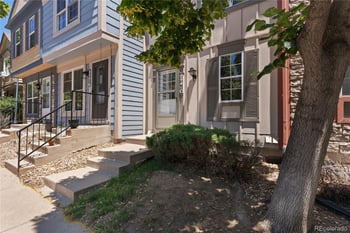
Westminster isn’t one uniform housing story. If you know what each “type” usually comes with, you can click through the homes above with better instincts—faster yes/no decisions, fewer surprises, and a cleaner short list.
Expect plenty of ranch and tri-level homes in pockets across town. The upside is yards and mature trees.
The practical move is checking roof/windows/HVAC age and treating radon testing like normal Colorado due diligence.
In newer nodes and busier access areas, townhomes/condos show up often. The key isn’t the dues number—it’s what’s bundled.
Check for exterior insurance, snow removal, roofs, water, exterior maintenance, and reserve health early so the low-maintenance lifestyle stays genuinely low-stress.
Areas built with a more walkable pattern—think the Bradburn side of Westminster—can feel different in the best way: sidewalks that go somewhere and easier small errands.
The buyer move is reviewing HOA coverage and any district/tax layers so the monthly stack stays predictable.
People often describe town in a simple way: north Westminster tends to feel a little newer and more “set up,” while south Westminster can feel closer-in with more established blocks.
It’s not about better or worse—just which daily pattern fits you.
Westminster is one of those places people pick because it makes the week easier. You can get onto US-36 quickly, you’ve got real open space like Standley Lake and Westminster Hills, and the trail system is close enough that it doesn’t feel like a “special outing.” If you’re using this page the right way, you’re not trying to memorize facts—you’re trying to build a short list of homes that match your actual routine.
The best Westminster buyers tend to do two things early: they decide what their week needs to feel like (commute, errands, open space, school logistics), and they verify the few address-level details that can surprise people later (county side, HOA scope, and any district tax layers). If you do that upfront, the rest of the home search feels a lot more confident.
Here’s the version of Westminster that doesn’t show up in listing photos. A lot of people finish work, hop on the Big Dry Creek Trail for a quick walk, or head toward Standley Lake when they want quiet and a big horizon. If you’ve got kids, weeknights often look like a practical split: quick dinner, a park stop, then back home without feeling like you drove across town for one small thing.
The “leave-the-house” options are steady without feeling hectic: a Saturday morning at the 98th & Sheridan farmers market, an easy family stop at the Butterfly Pavilion near 104th, or a simple movie night at Alamo Drafthouse in Downtown Westminster. It’s not about chasing highlights—Westminster is more about having enough close-by options that your week doesn’t feel cramped.
Westminster works best when your routes make sense. If your work or social life pulls you toward Denver and Boulder at different times, US-36 is the big advantage. A lot of buyers choose Westminster specifically because they can keep both directions realistic without feeling locked into one commute.
If you’re someone who likes the idea of transit, treat it like a “match the schedule” tool. The Flatiron Flyer can be a real win when it lines up, and the US-36 & Sheridan and Church Ranch Park-n-Rides are the kind of practical detail people don’t think about until they’ve tried it. One small thing worth knowing: some stations have paid parking rules that differ by location, so it’s smart to check the station notes before you build it into your weekly plan.
For everyday errands, the easiest routes are usually Sheridan Blvd and Federal Blvd, plus quick access to I-25 when you’re headed toward bigger retail runs like The Orchard Town Center near 144th. If you’re clicking through listings, it helps to ask: “How many turns would it take me to get to the things I do every week?”
Standley Lake is one of those places that can change your relationship with the week. On a calm day, it feels like you left town without driving far. People go for the views, the wildlife, and the quiet—then they learn the rule set, and it makes sense. This is a drinking-water reservoir, so it’s not the kind of place where you wade in to cool off. The detail most buyers don’t know until later: no swimming or wading, even for dogs, and paddlecraft use is seasonal with a check-in process. If lake time is important to you, that’s not a drawback—it’s just the reality you’ll plan around.
Westminster Hills Open Space is the other place people build into their routine, especially for dog-life. It’s big enough that it feels like open space first, dog area second. The detail that matters in real life: it’s partially fenced, so it’s best when your dog’s recall is solid and you like a little room to roam. That’s one of those small things that can steer a home search toward the part of town that feels easiest for your daily habits.
If you’re a trail person, Westminster also shines in the in-between moments. The Farmers’ High Line Canal Trail and Big Dry Creek Trail are the kinds of routes people use after dinner, not just on weekends. When you’re comparing homes, it’s worth checking whether you’d actually walk to a trailhead or whether it would always require getting in the car.
People searching Westminster usually fall into one of two preferences: you either want the established neighborhood feel where your house is the quiet center of your day, or you want to be close to a few places you’ll actually use without planning it. Downtown Westminster has become a real option for that second group—especially around the Alamo Drafthouse area—because it’s one of the few spots where you can do a simple dinner-and-a-movie night without turning it into a drive.
For a more classic errands setup, a lot of routines naturally point toward Federal, Sheridan, and quick access to I-25. If you like having bigger errands close, The Orchard near 144th is a common pull. If you like a smaller, more local feel, the farmers market at 98th & Sheridan is one of those steady Saturday habits that makes a place feel like home.
A small Westminster detail that’s easy to miss until you’re here: some of the best weeknight wins are the ordinary ones—parks, trails, and quick stops that don’t require parking stress or a long drive. When you’re clicking through listings, it’s fair to filter by what makes your week calm, not just what looks impressive.
If schools are part of your decision, Westminster is the kind of place where you want to verify early and calmly. District boundaries don’t map neatly to “Westminster” as a single idea, and families moving here regularly mention that Colorado’s choice options can be helpful—but it still pays to confirm what a specific address connects to before you get attached to a home.
The simple approach is: pick a few homes you love, then do the address-level boundary check and commute reality check as a pair. When those line up, the whole search feels lighter—because you’re not guessing, you’re choosing with clarity.
Here’s one of the biggest “buying with confidence” triggers in Westminster: understand the monthly stack before you fall in love with a floor plan. This shows up most often with townhomes, condos, and newer mixed-use areas where fees and taxes can be layered in ways that aren’t obvious in a quick scroll.
The practical check is straightforward: separate HOA dues from any district tax layers, then read what the HOA actually covers. People are often pleasantly surprised when they realize dues include snow removal, exterior maintenance, and some insurance—because it can take real stress off your weekends. The key is knowing what you’re getting and whether reserves look healthy, so the “low maintenance” promise stays true long after move-in.
One more detail most buyers don’t expect: even basic services can vary by neighborhood. Trash service, for example, isn’t always one uniform city setup—some areas use different haulers or HOA-managed service. It’s not a big deal, but it’s exactly the type of small clarity that makes a move-in week smoother.
Westminster rewards buyers who do a few quick checks early. Not because anything is wrong—because it lets you enjoy the search without that nagging “did we miss something?” feeling. If you’re narrowing down homes, these are the smart confidence steps:
Confirm the county side by address: Sheridan Blvd is a real dividing line in everyday paperwork and property taxes.
Check school boundaries: verify this for the specific home address if schools matter to your decision.
Review HOA scope: essential for townhomes/condos—know what’s covered, what’s not, and check reserve health.
Run normal Colorado checks: include radon testing expectations and ask about any soil/foundation questions during inspection.
Sanity-check your daily routes: test US-36 access, errand patterns on Sheridan/Federal, and whether you’ll actually use the nearby trails.
Westminster gets compared to a few nearby cities constantly, usually for one reason: people are trying to protect their daily routine. Use these comparisons to self-sort quickly—then click into the area that matches how you actually live.
If your week revolves around US-36 and you like a “set-up” feel fast, Broomfield is the common alternative—especially for buyers who want newer nodes and quick access without overthinking the map.
People who pick Westminster over Broomfield usually want the same access, but with more established neighborhood variety and easier reach to Standley Lake and the trail network for weeknight use.
Arvada tends to win buyers who want a built-in “go out” option close to home, especially around Olde Town, with a more established feel in many blocks.
People who stick with Westminster usually do it for the Denver-and-Boulder midpoint math and for how easy it is to work Big Dry Creek and the canal trail network into a normal week.
If your work life points north/south more than east/west, Thornton and Northglenn get pulled into the conversation because I-25 becomes the default “get around” route.
Buyers who stay with Westminster usually do it because US-36 fits their real week better, and they want trail/open-space access without needing a long drive to make it happen.
These come up when a buyer wants to be closer to the Boulder side of life on purpose—shorter trips into Boulder, more of a small-town feel, and a different “after work” pattern.
Westminster tends to win when you want the same general direction advantage on US-36, but you also want easier Denver access and a wider spread of housing types to choose from.
Golden is the choice when foothills access is the daily driver—trails, quick mountain access, and a different pace that feels closer to the edge of Denver.
Westminster tends to win when you want open space (like Standley Lake) but you also want practical midpoint convenience for Denver and Boulder without committing to a foothills commute pattern.
Boulder is the pick when you want Boulder’s daily-life ecosystem—closer access to Boulder employers, trail culture, and the “go for a walk and run into people” pattern in certain areas.
Westminster shows up as the common alternative when buyers still want easy Boulder access via US-36 but need more flexibility in housing options and want to keep Denver in play too.
These are the questions buyers ask once they’re serious—because they’re trying to protect their week, not just pick a house. If you want the calm, confident version of home shopping in Westminster, this is where it starts.
Westminster is split between Jefferson County and Adams County, and the county side can affect practical stuff: where you pull property records, which assessor site you use, and sometimes how certain services are handled.
If you want a clean answer fast, verify jurisdiction by address before you get attached to a home: Jeffco Address Lookup .
The important thing to know is that “Westminster” doesn’t map to one single school boundary. Buyers moving here bring this up a lot because it’s easy to assume the city name tells you the school path.
The calm way to handle it is: shortlist a few homes you like, then confirm schools by address using the district boundary tools before you emotionally commit to one listing.
Standley Lake is a drinking-water reservoir, so it’s not a swim lake. The rule that surprises people: no swimming or wading, even for dogs.
If Standley is going to be part of your week, skim the official rules once: Standley Lake rules and regulations .
It can be—when it matches your schedule and your start/end points. That’s the real-world detail riders repeat: it’s great when your week lines up with it, and less helpful when it doesn’t.
Verify current service patterns and station details directly with RTD: Flatiron Flyer (RTD) .
You’ll see plenty of neighborhoods without an HOA, but you’ll also see HOAs (especially with townhomes/condos and certain newer layouts). Buyers talk about this because the dues number isn’t the point—the scope is.
The buyer-protective move is to ask early what the HOA covers (insurance, roofs, snow removal, exterior maintenance, water), and whether reserves look healthy. If there’s a district or additional tax layer, treat it the same way: verify it clearly before you decide.
Most serious buyers treat radon testing like a standard part of due diligence, and they pay attention to any foundation/soil conversation that comes up during inspection. It’s not about worrying—it’s about being thorough so you can enjoy the home.
For radon basics (testing and mitigation), CDPHE is a solid reference: CDPHE radon testing .
Not every home near a creek is in a flood zone, and you don’t need to guess. If you’re looking at a home that feels close to the trail/creek, run the address through FEMA’s flood map tool as a quick verification step.
Official lookup: FEMA Flood Map Service Center .
Not always. Some neighborhoods use different haulers, and some HOAs manage service as part of the monthly setup.
Easy starting point: Westminster trash and recycling .
Note: Local services, transit schedules, and park rules can change. When something matters to your routine, verify it directly with the linked sources for the specific address or facility.