New - 30 Mins Ago
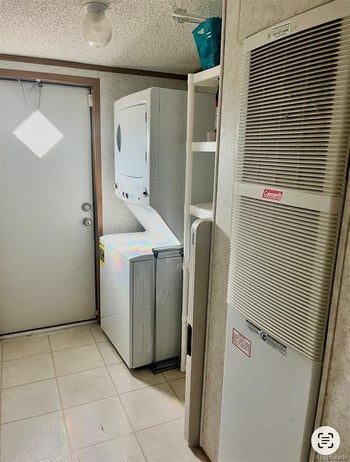
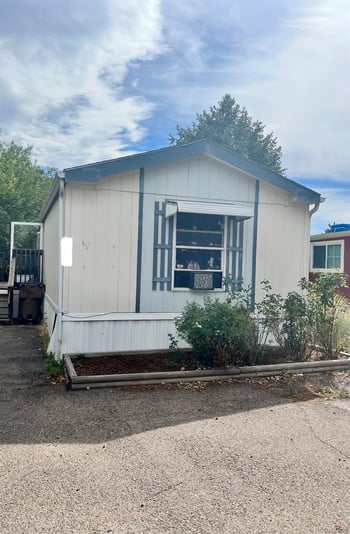
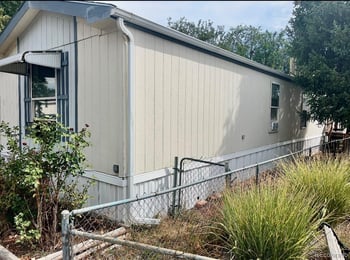
$50,000
Active
3
Beds
2
Baths
1152
Sqft
--
Acres
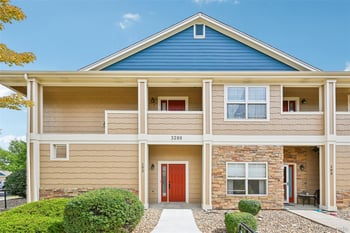
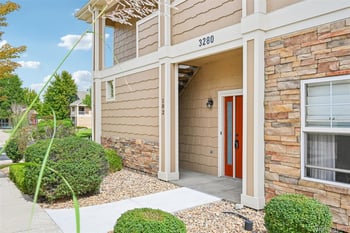
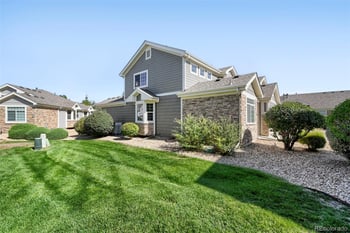
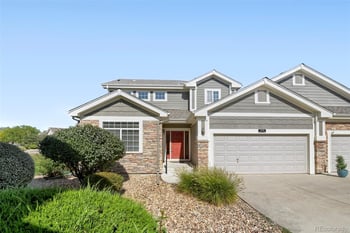
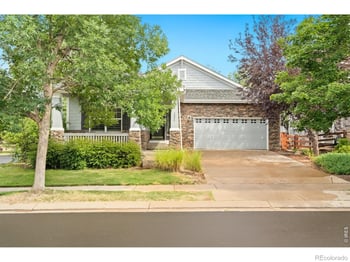
12205 Perry St Lot 257, Broomfield, CO 80020
MLS#: REC9294749
Broomfield homes for sale are a “between Denver and Boulder” play that keeps daily logistics clean. Most routines orbit US-36 (and RTD’s Flatiron Flyer), the offices and hotels around Interlocken, and quick errands at FlatIron Crossing. If you want a quieter, more residential feel, Anthem is where many buyers start looking for newer streetscapes and an easier weeknight pace.
For “get outside without planning,” locals lean on McKay Lake and Broomfield County Commons by Tom Frost Reservoir. The trade-off is straightforward: closer to US-36 can bring more movement and road noise; deeper in the neighborhoods can feel calmer but a bit farther from the fastest exits. For a lot of buyers, this is the steady, low-friction Front Range choice—space to breathe, predictable routes, and the kind of simple access that makes the week feel lighter. Use the listings below to compare HOA rules, parking/garage reality, and how close you want to be to trails and everyday stops.
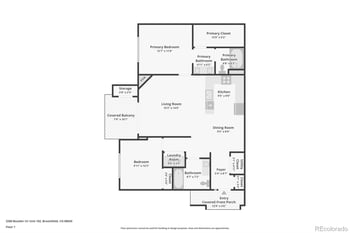
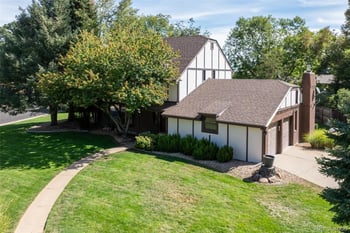
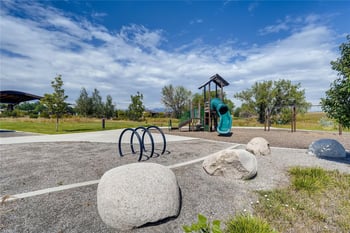
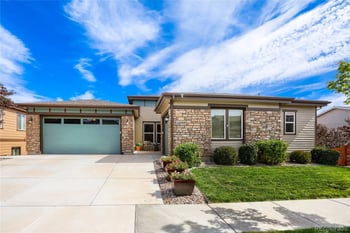
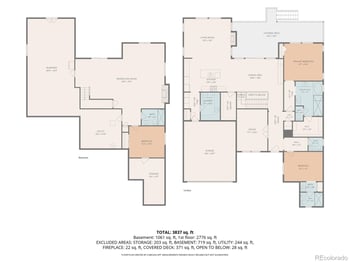
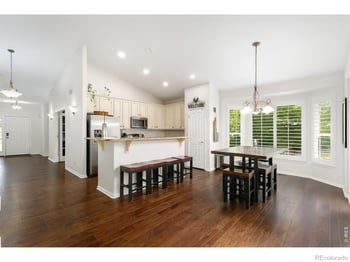

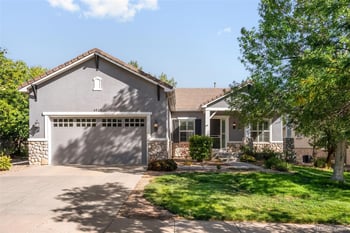
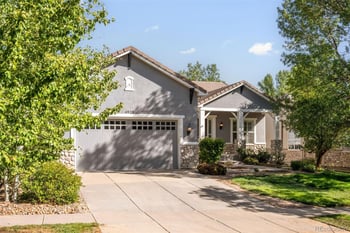
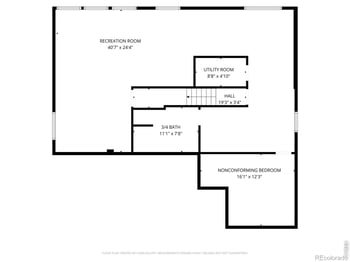
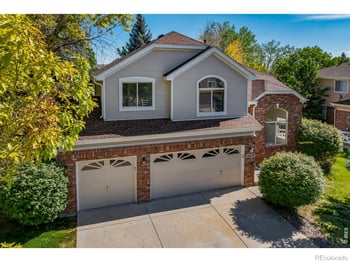
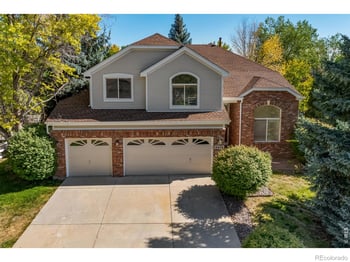

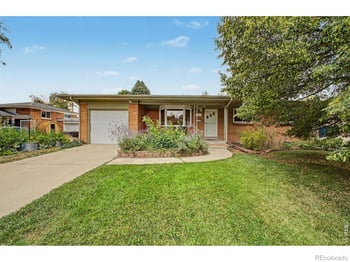
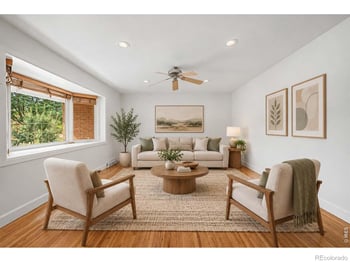


Broomfield is the kind of place people pick for how smoothly the week runs. It’s a “triangle life” city—close enough to Boulder, Denver, and DIA that you can stop thinking about geography and start thinking about routines. The quick notes below are here to help you self-sort fast, so the listings above feel easier to click through.
Locals don’t talk about commuting in miles—they talk about the “first five minutes.” If you’re heading to Denver or Boulder regularly, your happiness tends to come down to how quickly you can get onto US-36 (and whether the Flatiron Flyer is part of your week).
If your routine leans north/east, Highway 7 / Baseline becomes the backbone. A simple, buyer-protective move: test the route at the time you actually commute, once.
If you want Broomfield to feel lived-in right away, pay attention to the neighborhoods that naturally orbit McKay Lake. People are out there constantly—stroller loops, kids on bikes, quick “after dinner” walks.
It’s also one of those places where you’ll hear locals casually mention small delights—like spotting bald eagles around the ponds in the colder months.
You’ll hear Broomfield residents talk about Town Square like it’s personal—because it is. A true city-center spot changes where you meet friends, where events land, and where a Saturday morning feels easy without driving all over.
If you’re buying for the long game, it’s worth tracking what’s officially happening there instead of relying on rumors.
The Baseline / Highway 7 side of Broomfield is where a lot of the “what’s next” energy sits. That can be a great fit if you like newer neighborhoods and you’re comfortable with change over time.
Local talk gets specific here—people will reference traffic pinch points and signal timing (like Sheridan & 120th) because it’s part of their daily loop.
The Arista / US-36 station area cross-shops well for homebuyers who want a “walk-to-something” setup and transit convenience.
The flip side: it feels more active—events, traffic flow, and the general energy of a busy corridor. If you like being near the action, it’s a win. If you want quieter nights, you’ll usually feel better a little farther off the spine.
Broomfield is a patchwork in practice, so don’t rely on “Broomfield = one district.” People who live here talk about school fit by address and by specific campuses—names like Aspen Creek K-8 come up in local conversations, and the boundaries matter.
If schools are part of your plan, verify early so your search stays calm and confident.
Broomfield isn’t one “type” of homebuyer. People land here because the city lets them balance work, schools, and weekend time without feeling stretched thin. Use the snapshots below to self-sort quickly while you browse the listings above.
In places like Anthem, Broadlands, and newer Baseline-side pockets, homebuyers are often choosing “organized living”—amenities, parks, trails, and clear neighborhood rules.
The buyer-protective win: read the HOA docs like you mean it (rules, reserves, what’s covered), and you’ll feel confident fast.
These homebuyers are usually buying a lifestyle as much as a floor plan: lake loop, playground time, bikes, and a neighborhood where you actually see your neighbors.
If you want Broomfield to feel social in a low-key way, this pocket tends to deliver.
This is for homebuyers who value “close to the route” and like having something walkable nearby. The big advantage is access—US-36 and transit options are right there.
The lifestyle question: do you like a busier, more active pocket, or do you want your evenings to feel quieter?
Interlocken often fits buyers who like a “green pocket” feel—ponds, paths, and that office-park landscaping—while staying close to practical shopping nodes like FlatIron Crossing.
It’s a common choice for people who want convenience without feeling like they live on top of the highway.
These homebuyers are usually thinking forward: newer builds, more development coming online, and quick access to north/east routes.
It can be a great fit if you like being near what’s being built next—just pair it with a realistic “drive the loop” check at your typical times.
Some Broomfield areas feel more established—mature trees, simpler blocks, and homes with a different build era than the newer master-planned pockets.
For homebuyers who like a quieter, settled street feel, these areas can be a strong fit—especially if you’re prioritizing calm evenings and a straightforward routine.
Fast local check while you browse: when you click a listing above, map your two real-life defaults—your main commute start (US-36 / Highway 7 / I-25 access) and your repeat errand loop (groceries + school + rec). If those feel easy, the home usually feels easy.
Broomfield looks simple on a map, but homebuyers usually figure out fast that it’s a “pockets and routes” city. The difference isn’t just north vs south—it’s whether your day starts clean on US-36, whether you’re looping McKay Lake after dinner, or whether your errands naturally pull you toward FlatIron Crossing or the Baseline / Highway 7 side.
The goal here isn’t to tell you what to like. It’s to give you the local cues that make the listings above easier to sort—so when you click into a home, you already know what the day-to-day would feel like.
One thing you’ll hear again and again from people who live here: commute happiness isn’t about the destination, it’s about how quickly you can get onto the route that runs your week. If Denver or Boulder is in your regular rotation, US-36 is the main spine, and the Flatiron Flyer becomes a real quality-of-life tool for people who don’t want to white-knuckle the drive every day.
If your routine leans north/east, the Baseline / Highway 7 side matters more—especially as growth continues up there. The buyer-protective move is simple: pick two homes you like in different pockets, then do one real drive at the time you actually commute. That one lap prevents a lot of regret.
If you’re looking for the pocket that feels lived-in fast, the neighborhoods around McKay Lake get mentioned for a reason. This is where you see the routine in motion: kids on bikes, strollers, quick loops, people actually using the sidewalks. It’s also one of those local “small delight” places—residents talk about spotting bald eagles around the ponds in colder months like it’s normal (because here, it kind of is).
The practical upside for homebuyers is simple: when a neighborhood has repeatable outdoor habits, it tends to feel easier to settle into. When you’re clicking listings above, look at what’s walkable in the boring way—can you do the lake loop, hit a playground, and still get home without it feeling like a whole production?
The Arista area is where Broomfield starts feeling more “US-36 pocket” than quiet neighborhood. People choose it because the convenience is real: quick access to US-36, close-in errands, and an easier transit rhythm if the Flatiron Flyer is part of your week.
The local truth is that it also feels more active. Residents talk about it in practical terms—events, traffic patterns, louder cars at certain hours, and occasional plane noise depending on your exact spot. That’s not a knock; it’s just the trade. If you like being near movement, it can feel energizing. If you picture quieter evenings as part of your homebuying goal, you’ll usually feel better a little farther off the station area.
Interlocken is one of those pockets people describe with “it feels greener” language—ponds, paths, and that office-park landscaping that makes evening walks feel calmer than you’d expect this close to major roads. It also sits in a very practical spot for errands, especially if your routine leans toward FlatIron Crossing and the surrounding shopping nodes.
For homebuyers, this pocket often works when you want convenience without feeling like you’re living on top of the highway. When you’re browsing listings, the key is to look at how the home sits inside the pocket: some streets feel tucked in, others feel more exposed. A quick drive-and-walk at your real hours tells you everything.
The Baseline / Highway 7 side of Broomfield carries a lot of the “next chapter” energy. If you like newer neighborhoods and you don’t mind a city that’s still building parts of its identity, this can be a great fit. Local conversations get specific here—people talk about pinch points and signal timing on their daily loop, not just “traffic” in the abstract.
One very Broomfield detail that surprises newcomers: city boundaries and daily errands can blur at the edges. You’ll hear residents point out little quirks like “this corner is Broomfield, but the grocery store across the street is a different city.” It doesn’t change your address, but it does change your mental map—and it’s exactly why a routine-first search works better than a label-first search.
If you spend time around Broomfield, you’ll notice people care about Town Square in a way that’s deeper than “development news.” The VoC theme is consistent: a true center changes the city’s default meeting spot, where events land, and whether you can get a Saturday morning out feeling without driving to another town.
You’ll also hear a practical version of the same thought: people want more local places to meet—coffee, casual food, a reason to walk somewhere that isn’t just a trail. The positive takeaway for homebuyers is that this kind of civic investment tends to make daily life easier over time. If you’re buying for the long run, it’s worth tracking official updates so you’re not guessing.
City: Broomfield Town Square • City: Urban Transit Village redevelopment
Broomfield’s trail system matters because it supports repeatable routines. The local pattern is simple: people don’t just “go hiking”—they pick the same loops after dinner, the same open space on a Sunday morning, the same connector path when they want to clear their head for twenty minutes.
When you’re comparing listings, it’s worth checking what you can realistically access on a normal weeknight—not what looks good on a map. The city’s trail map is genuinely useful here because you can see how the connectors run through different pockets.
The best homebuying experiences in Broomfield tend to look the same: homebuyers build certainty early, then enjoy the fun part—touring, comparing, picturing real life. The way you do that is by confirming a few practical items upfront.
Broomfield school fit is address-specific. Run the address early so you’re not guessing. It keeps your search clean, especially when you’re comparing pockets that feel similar but land in different boundaries.
In master-planned pockets, the HOA is part of what you’re purchasing: rules, maintenance, reserves, and what’s included. If you read the docs early, you’ll feel confident faster and avoid “we assumed” stress later.
Pick your likely route—US-36, I-25 access, or Baseline/Highway 7—and drive it once at your real time. It’s the fastest way to make the right pocket feel obvious.
Fast local check while you browse: open a listing above, then ask two questions—“Where does my day start?” and “Where do we go without thinking?” When those answers feel easy, Broomfield tends to feel like home quickly.
If you’re looking at Broomfield and thinking “this is close, but I want a slightly different feel,” you’re in the normal buyer flow for this part of the Front Range. Most cross-shoppers are really sorting three things: how quickly the commute starts (US-36 vs I-25 vs Highway 7), what errands feel like on a weeknight, and whether evenings feel calm or active.
Cross-shop Westminster when you want more “metro convenience” while staying close to the same commuter lanes. It’s a good comparison if you like Broomfield’s access but want a different mix of neighborhoods, services, and day-to-day options.
Superior is the cross-shop when US-36 access is the priority and you like a newer, tighter “pocket” feel. Buyers often compare it to Broomfield when they want similar commute math with a slightly different neighborhood layout.
Cross-shop Louisville when you want a smaller-city feel with a stronger “main-street” vibe, while keeping Boulder and the US-36 lane close enough to stay easy. It’s a common move for buyers who want calmer weeknights and a more tucked-in feel.
Lafayette is a strong cross-shop when you like community feel and practical routines, but don’t need to be as close to the US-36 station side. If Broomfield feels right but you want a different day-to-day texture, Lafayette is often the “try this next” click.
Cross-shop Erie when you want more of a newer-build pattern and you’re okay trading a little extra drive time for more space and a different neighborhood layout. Buyers often land here when Highway 7 / Baseline routes are already part of their week.
Thornton is the cross-shop when I-25 access matters and you want to lean more “metro” while staying in range of Boulder days and Front Range errands. It’s often a fit for buyers who value straightforward commuting over being closer to the Boulder side.
Quick way to cross-shop without overthinking it: pick one non-negotiable and let it drive the next click—US-36 commute simplicity (Superior/Louisville), I-25 access (Thornton), or newer-build patterns (Erie). When the choice matches your weekday reality, the right listings stand out faster.
These are the questions people tend to ask after they’ve clicked into a few listings and started picturing real routines—commute starts, weeknight errands, and which pocket feels calm when you’re actually home.
Start with how quickly you can get onto your main route. A lot of Broomfield buyers talk about the “first five minutes” because that’s what you feel every single day. If US-36 is part of your week, prioritize pockets that make that on-ramp and the Flatiron Flyer feel simple. If Highway 7 / Baseline is part of your week, shop with that loop in mind and do one drive at the time you actually commute before you commit.
It’s the repeatable routine factor. The McKay Lake pocket gets mentioned because people actually use it—after-dinner loops, strollers, kids on bikes, quick playground time. It’s not a “special occasion” place; it’s a default habit. That’s a good homebuyer signal, because neighborhoods with easy daily habits tend to feel easier to settle into.
Arista works best for homebuyers who like walkable convenience and quick US-36 access, and don’t mind a more active feel. In local conversations, people describe it in practical terms—events, traffic flow, and “it’s lively over here” energy. The best way to decide is simple: visit at the hours you actually live (evening + early morning) so you’re choosing the activity level on purpose.
Treat it as address-specific. Broomfield doesn’t behave like a single-district city, and homebuyers who stay confident tend to verify early—before they get attached to a floor plan. Pull the district map first, then confirm the exact address with the relevant district tools if schools are a priority.
Think of the HOA as part of the product you’re buying. Homebuyers who feel good long-term usually check a few practical items early: what’s maintained vs owner responsibility, reserve strength, special assessment history, and the rules that affect daily life (parking, rentals, exterior changes, pets). When you understand those upfront, touring stays fun and the decision feels clean.
The best weeknight trails are the ones that connect directly to your pocket without a big parking plan. Broomfield’s trail map helps because you can see how connectors run through neighborhoods, which is exactly what you want for repeatable evening walks or quick bike loops. If trail time is part of your Broomfield plan, filter listings by the routine you’ll actually do on a Tuesday.
Because it changes the default meeting spot. In real Broomfield talk, Town Square comes up as the missing “center” where events, coffee, casual food, and everyday hangouts can live without you driving to another town. For homebuyers thinking long-term, it’s worth following official updates so you understand what’s planned and what’s timeline-real.
Quick buyer check: if you can answer three questions confidently—your commute start, your weeknight errand loop, and your easiest outdoor reset—you’ll usually know which Broomfield pocket fits you.