


$574,000
Active
3
Beds
4
Baths
2221
Sqft
0.03
Acres
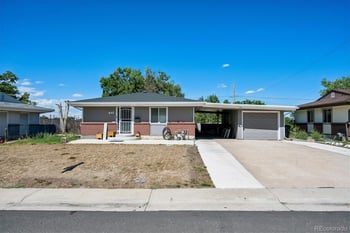
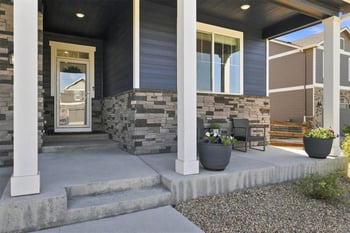
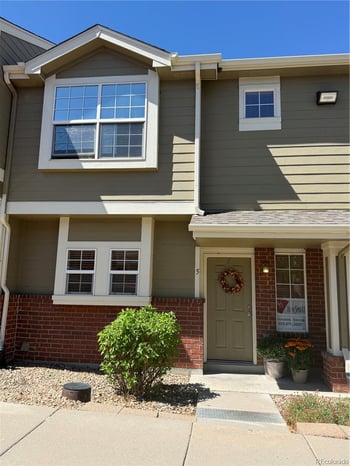
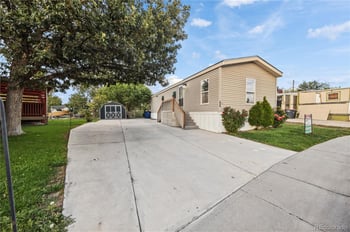
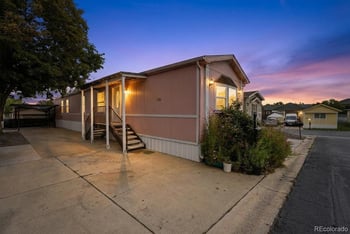
10370 Milwaukee Cir, Thornton, CO 80229
MLS#: REC4678784
Thornton CO homes for sale span Original Thornton near 88th, the Colorado Blvd stretch by Carpenter Park, and newer north-side neighborhoods around Trail Winds. Most days are built around quick hops to I-25, evening laps at the rec center, and parks that actually get used, verify HOA rules by address. Use More Filters…



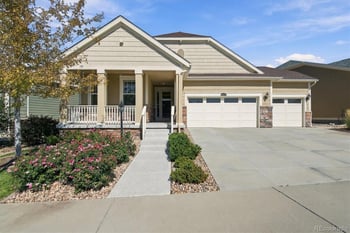
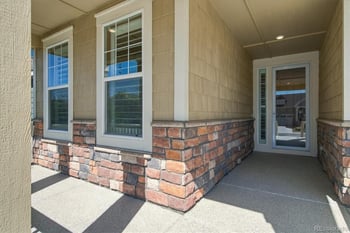

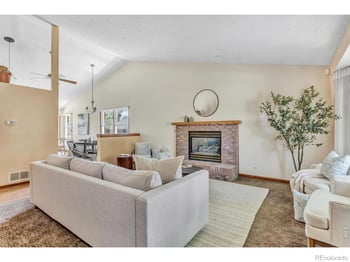


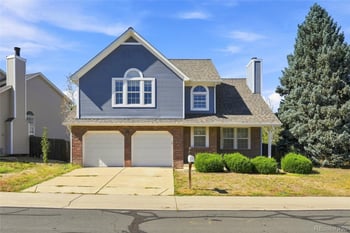









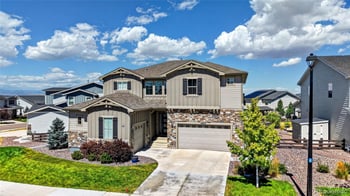


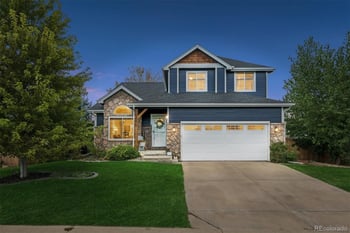


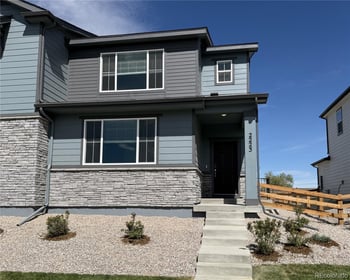


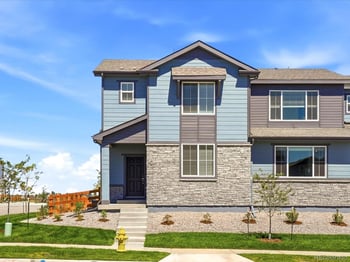














Thornton is the kind of place where the same price point can feel totally different depending on your daily route. The easiest way to get confident fast is to start with the routines you’ll repeat—your drive to I-25 or E-470, your “grab dinner and run an errand” loop near 120th or 136th, and where you’ll actually walk after work—then filter the listings above to match that version of Thornton.
Local shortcut: Thornton publishes a list that ties many neighborhood HOAs and metro districts to the community name and the nearest major intersection. It’s one of the cleanest “what am I buying into?” checks you can do early.
Thornton is directional. The “right” area often comes down to which routes you’ll use without thinking.
A simple test: drive your commute route once at your real time, then do one errand loop (groceries + one stop) around 120th or 136th. If it feels easy, you’re close.
If you’re not downtown every day but you do go often enough to care about parking, the RTD N Line is worth building into your search. These station names are the ones people mention most:
Reality check: ride once at the time you’d actually use it (including evenings). It’s the quickest way to know if it’s “your” commute option.
Local detail: people who bike a lot tend to plan around trail connections. They’ll happily ride a trail route toward Carpenter Park, but they’re more cautious about relying on busy roads like Colorado Blvd.
Why this matters: when two homes look similar, the one closer to your real weekend defaults often feels better long-term.
Once these are clear early, the rest of the search feels lighter—because you can make decisions with the full picture.
Thornton is a “get the routine right” city. Two homes can both be Thornton, but your week feels completely different depending on how quickly you can get to I-25 or E-470, what your errand loop looks like near 120th or 136th, and whether your after-work reset is a trail walk, a rec center visit, or a quick dinner out. If you choose the routine first, the search gets calmer fast—because you’re filtering for fit, not guessing.
Below are the real-life decision points people use when they’re comparing neighborhoods here. Use the listings above to test each idea as you go.
People don’t usually describe Thornton with one blanket label. They describe it by where they are relative to the big cross-streets and the highways: 104th, 120th, 136th, 144th, 160th—and whether they’re closer to Washington, Holly, Quebec, or York.
How locals think about it: if you can say “we’re near 128th & Washington” or “we’re up by 144th & Holly,” you’re already talking about Thornton the way locals do.
A smart early step: if a neighborhood has an HOA or metro district, find that out early. Thornton has a city-published list that ties many communities to their nearest major intersection, which makes this easier here than most places. Thornton HOA & property management list
Thornton is directional. Your “best” area depends on where you’re going most often, not what looks nice on a map.
A quick way to check: drive your real commute time once, then do one errand loop at the same time you’ll actually run it. If you feel relaxed doing both, that area is doing its job.
Thornton’s outdoor life is less about mountain trips and more about whether you can get outside without making a plan.
Something to note: people who bike a lot in Thornton tend to plan around trail connections. They’ll happily ride a trail route, but they’re more cautious about relying on busy roads like Colorado Blvd.
Thornton is strong at easy plans—the kind where you don’t have to drive into Denver to feel like you did something.
When buyers are choosing between two similar homes, this kind of routine tends to decide it—because it shows up every weekend.
A lot of people buy in Thornton because it feels stable, but there are also a few changes worth knowing about if you’re thinking long-term.
Why this matters: if you’re comparing two areas and one has a “future place” like this nearby, it can change how the neighborhood feels a few years from now. Thornton capital improvement projects
If you want to narrow your search quickly: pick your top two areas, then do the same three checks in both—your commute at your real time, your grocery/errand loop, and a walk after dinner. Thornton makes this comparison surprisingly clear once you see it in person.
Thornton works well as a north-metro home base—good routes, lots of room, and plenty of normal-life conveniences. If you’re comparing options, keep it simple: drive your commute at the time you’ll actually drive it, run one real errand loop, and take a walk after dinner. That quick “normal life” check usually makes the right fit obvious.
Compare Northglenn if you like the north-metro setup but want to feel a little closer-in for Denver-side errands and plans. It’s a common choice when you want the same general convenience, just with a slightly tighter footprint.
If you’re considering the N Line, this is a good spot to compare because station access can feel different even when the map looks similar.
If your week is more “Denver days” than “north errands,” Northglenn is worth a serious look alongside Thornton.
Compare Westminster if your weekdays pull toward Highway 36 more than they pull north–south. This is the comparison people make when Thornton feels right, but the drive they picture most is a Boulder/Broomfield direction.
It’s also a good check if you’re trying to balance “easy shopping days” with “quiet neighborhood nights.”
If Boulder is a weekly reality, do one morning drive from both places. The answer usually shows up fast.
Compare Broomfield if you want your week to point west—Boulder, Interlocken-area jobs, and that whole Highway 36 rhythm. Buyers often land here when they like Thornton’s space and practicality, but want the commute to feel cleaner.
Thornton can feel like “north-metro home base.” Broomfield tends to feel more “west-side convenience” once you live the drive.
Try the same commute window from both places and see which one feels easier before you fall in love with a floor plan.
Compare Erie if you want that “everything feels newer” experience and you don’t mind being farther north. This is the next step up the road for buyers who like newer areas in Thornton and want to see what the farther-north version of that feels like.
It’s also where people tend to pay closer attention to HOA and metro district layers, because that’s part of how many newer neighborhoods are structured.
Before you decide, run your normal errand loop from both places. Distance can feel small on a map and big on a busy week.
Compare Brighton if your daily life leans northeast—work, family, or errands that naturally point that direction. Buyers cross-shop this when Thornton feels good, but their routes keep pulling them toward I-76.
It’s also a different weekend pace, which some people prefer once they do a normal Saturday there.
If your “last stop” after work is easier there, that can matter more than you think after a few months.
Compare Commerce City if airport access and east-metro routes matter more than being closer to the foothills. Buyers look here when E-470 feels like a real quality-of-life tool in their week.
It’s also a common comparison for buyers who want faster access to logistics and industrial employment areas.
If you use E-470 often, this comparison is worth doing early. It changes the whole feel of “getting around.”
Compare Arvada if you want a stronger “park once and wander” center for dinners, coffee, and weekends. This is the cross-shop for buyers who like Thornton’s practicality, but keep wanting more of a built-in downtown routine.
It’s also a good check if your week points west and you want to feel closer to the foothills without going fully mountain-adjacent.
Do one Friday evening in both places. If you care about a “downtown night” routine, you’ll know quickly.
Compare Denver if you want more neighborhoods where daily life happens on foot—coffee, dinner, quick shopping—without getting in the car every time. This is a common cross-shop when Thornton feels comfortable, but you keep picturing a tighter, more walkable daily pattern.
Denver can feel easier for social life and harder for parking and space. Thornton is often the opposite. The best choice is the one that matches your normal week.
Do one evening errand loop in both places. If you prefer the tighter city rhythm, you’ll feel it right away.
Quick way to decide: pick your top two comparisons, then do the same three checks in each place—your commute at your real time, your grocery/errand loop, and a walk after dinner. The right fit usually becomes obvious once you run those tests.
These are the questions that usually come up right after people start filtering Thornton homes online—especially when they’re trying to match the house to real day-to-day life.
Most people decide this by which direction their week points. If you’re doing downtown Denver days, proximity to I-25 (and sometimes the RTD N Line) tends to matter most. If you’re heading west toward Boulder/Broomfield, Highway 36 becomes the route you’ll feel every morning. If your life leans northeast, I-76 is the practical one.
The quickest way to decide is simple: run your real commute once at the time you’d actually drive it, then do an evening errand loop. Thornton rewards that kind of check.
It can be a great fit if you have regular downtown days and you like having a “no parking stress” option available. In Thornton conversations, you’ll hear station names like Original Thornton/88th, Thornton Crossroads/104th, and Eastlake/124th.
Best way to decide: ride it once at the exact times you’d use it, including an evening return. RTD schedules are here: RTD N Line schedule.
In many planned neighborhoods, yes—enough that it’s worth checking early. It’s not a “good or bad” thing; it’s just part of how some areas are structured, and it affects monthly costs, rules, and what’s handled for you versus what you handle yourself.
If you want the most stable starting point, use the city’s HOA/code compliance page and follow their link to the list: Thornton HOA / code compliance page.
If you want the direct list file (fastest check), it’s here: Thornton HOA & property management list.
Use an address lookup tool instead of relying on a listing description or a map “guess.” Thornton addresses can fall under different districts depending on the exact street and side of the street, so it’s worth verifying by address before you make schools part of your decision.
Adams 12 has a school finder here: Adams 12 School Finder.
If you’re looking in far north/northeast areas where 27J comes up, their boundary tools are here: 27J Boundary Locator.
Build your search around the places you’ll actually reuse. In Thornton, names people mention for repeat-life outdoor time include Carpenter Park, Big Dry Creek trail areas, and Elaine T. Valente Open Space.
A good filter is “how quickly can I get there after work,” not “how nice does it look on a map.”
Start with the documents that tell you how the neighborhood is actually run: HOA budget, reserve information, and any recent meeting notes or community updates. That’s where you learn what’s being maintained, what’s been repaired, and what decisions are coming next.
Then check the lifestyle rules that affect your day-to-day—parking, pets, rentals, and what the HOA covers versus what you cover.
For older homes, buyers usually focus on the “big systems story”: roof condition and ventilation, electrical panel and wiring updates, heating/cooling performance, and the quality of any remodel work (not just how it looks in photos).
In Colorado, radon testing is also a normal part of due diligence. It’s a comfort and health check, and it’s common even when a home looks fully updated.
Do the same three “normal life” checks in both places: drive your commute route at the time you’ll actually drive it, run one errand loop (groceries plus one stop), and take a walk after dinner.
Thornton is one of those cities where that simple comparison clears things up fast, because different parts of town run on different daily routes.