


$1,300,000
Active
6
Beds
7
Baths
6617
Sqft
0.5
Acres
9132 Scenic Pine Dr, Parker, CO 80134
MLS#: REC6558767




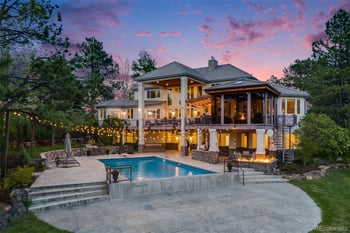


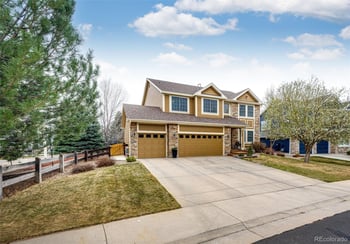
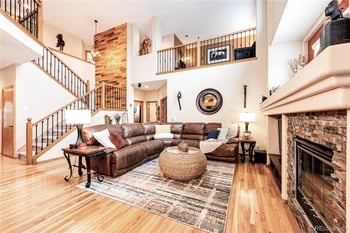








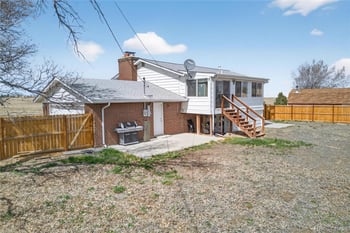
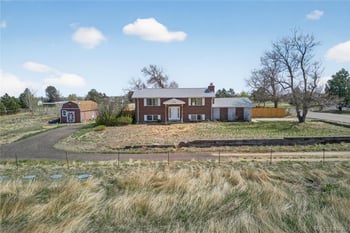
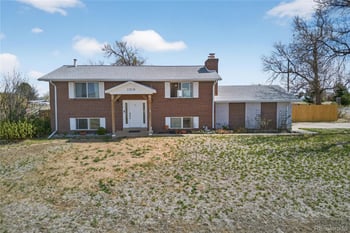


Parker is one of those places people pick because the week feels manageable. You can get real trail time without planning a whole expedition, Downtown Parker is small but used, and family routines are built into how the town is laid out. Use the cards below while you click through the homes above—these are the local details that help you pick the right version of Parker for your daily life.
“Parker” on a listing can mean inside town limits, or it can mean unincorporated Douglas County with a Parker ZIP. That can change which services apply and where you verify records.
The calm move is simple: verify the address once, then shop with clarity on what you’re actually buying.
Downtown Parker is small, but it’s used. People default to a Mainstreet walk, a coffee stop, and local events because it’s easy, not because it’s flashy.
Discovery Park is a big part of that routine—concert nights in warm months and the Parker Ice Trail in winter are repeatable plans families build into the calendar.
Residents talk about the trails like a network: Sulphur Gulch feeding into the Cherry Creek Regional Trail, and connections that let you get long mileage without constantly dealing with traffic.
If you want a home where weeknight walks actually happen, trailhead access matters more than “nearby” on a map.
A lot of out-of-town buyers assume “reservoir” means swim beach. Rueter-Hess is different. It’s drinking-water storage with a rule set that includes no bodily contact with the water.
It’s great for scenic time and paddlecraft rules with planned visits and reservations. Good to know early if water weekends are part of your lifestyle.
Parker’s daily rhythm is route-driven. Most people default to Parker Road and Lincoln for errands, and E-470 becomes the “get across the metro” tool when your job or airport trips require it.
The smart search habit is to favorite a few homes, then do a quick drive-time check during school-year traffic windows, not mid-day on a weekend.
If schools matter, verify early and calmly. “Parker” doesn’t automatically tell you the school path because boundaries and choice options don’t map neatly to a city label.
The easiest method is: shortlist homes you like, then run those exact addresses through the DCSD locator so you’re choosing with clarity.
Parker is at its best for people who want a family-friendly routine, easy outdoor time, and a town center that actually gets used. If you read these and think “that’s our rhythm,” you’re likely in the right search.
Parker isn’t one uniform housing story. If you know what each “type” usually comes with, you can click through the homes above with better instincts—faster yes/no decisions and fewer surprises.
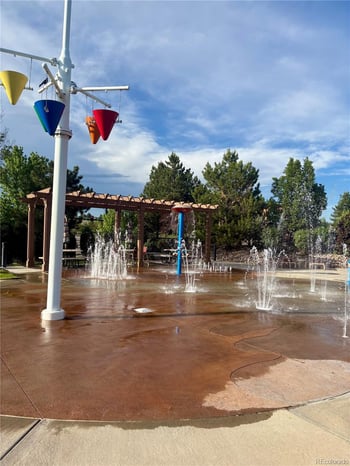
Many Parker searches land in neighborhoods where pools, parks, playgrounds, and maintained common areas are part of the weekly routine.
The buyer-protective move is understanding the HOA scope early so you’re choosing what you want, not guessing what’s included.
Newer parts of Parker can feel more set up right away: newer homes, newer streets, and a cleaner day-to-day pattern for school drop-offs and errands.
The practical move is confirming the fee structure and rules early so the monthly stack stays predictable after closing.
Homes near the main trail connectors can change your routine because “we’ll go for a walk” becomes a normal habit, not a planned outing.
The key is checking whether access is actually easy from the home, not just nearby on a map.
You’ll see homes listed as “Parker” that are outside the Town of Parker. Many buyers love those areas, but it’s worth verifying jurisdiction and services by address early.
Once you do that, the rest of the search feels lighter because you’re choosing with clarity instead of assumptions.
Parker is a south-metro town where routines are the point. Families like that Downtown is small but used, trails are close enough to show up on weekdays, and you can get out to open space without turning Saturday into a logistics project. If you’re using the listings above the way experienced buyers do, you’re not trying to memorize facts—you’re building a short list that fits how your week actually runs.
The smoothest Parker purchases usually follow the same pattern: decide what your week needs to feel like (routes, trail access, downtown distance, school logistics), then verify a few address-level details early (town limits, school assignment, HOA scope). Do that upfront, and the rest of the process feels calm and confident instead of uncertain.
Parker’s day-to-day is practical and family-forward. People talk about the town in routines: school drop-off patterns, a handful of dependable errand routes, and outdoor time that’s close enough to be a regular habit. A lot of weeknights look like “dinner, a short walk, home” because the trail access is nearby and the neighborhoods are set up for it.
The buyers who end up happiest here usually aren’t chasing the biggest highlight. They want a place where it’s easy to say yes to small plans: an hour outside, a quick downtown loop, or a kid activity that doesn’t require crossing half the metro.
Downtown Parker is a real footprint, and it’s one of the reasons people feel attached to the town. Mainstreet is where “leave-the-house” time tends to happen because it’s easy: a walk, a coffee stop, a dinner plan you can do without overthinking parking or timing.
Discovery Park is part of that weekly pattern. In warm months it’s often a concert night or a quick hangout after dinner. In winter, the Parker Ice Trail becomes a repeatable plan for families that want something to do without driving far. If you like living where events are nearby but not overwhelming, this is the part of town to keep on your radar.
One local detail that matters for lifestyle is how often downtown gets used for community events. Parker Days is the big one people reference, but the point is broader: downtown is active enough to feel social, and small enough to feel easy.
People who live here talk about trails like a network, not a single destination. Sulphur Gulch is a name you’ll hear often because it connects into the Cherry Creek Regional Trail system, and that connection changes how often you actually walk, run, or bike in a normal week. It’s the difference between “we should” and “we did.”
Tallman Gulch is another one that shows up in local routine talk, especially for people who want a more neighborhood-based trail option without driving to a trailhead parking lot. When you’re comparing homes, this is where “nearby on a map” can mislead you. The question is whether you can actually get onto the trail comfortably from the home—without a weird crossing, without feeling like you’re threading through traffic.
If trail time is part of how you reset, a smart search move is filtering by proximity to the gulches and the Cherry Creek connector points, then doing one quick test walk from a showing. That single step turns your shortlist into a “yes, this fits” list fast.
Rueter-Hess is one of the most misunderstood “water” amenities in this part of the metro. It’s drinking-water storage with a rule set that includes no bodily contact with the water, and access is managed through planned visits. That catches out-of-town buyers off guard if they’re picturing a swim beach.
The upside is the experience stays quiet and scenic, and it’s a strong option for paddlecraft-style time when you plan it correctly. If “water weekends” are part of your life, the best approach is simply treating Rueter-Hess like a reservation-based destination instead of a drop-in lake.
From a homebuying perspective, this is useful because it helps you decide what kind of outdoor lifestyle you want. Some buyers are perfectly happy with trails and parks as the weekly default, and Rueter-Hess as an occasional planned day. Others want more casual water access and use this detail to adjust where they search.
Parker is route-driven. Most routines lean on Parker Road and Lincoln for daily errands, and E-470 becomes the tool for cross-metro trips when your work, airport runs, or family logistics require it. Buyers who love Parker usually picked the right side of town for how they actually drive.
A buyer-protective habit here is testing drive-time reality during school-year traffic windows. A home that looks perfect on paper can feel different if your drop-off route or your main grocery run adds friction every weekday. Doing one quick commute check early keeps the decision clean.
If schools matter, the best approach in Parker is address-first verification. District boundaries and choice options don’t map neatly to a city label, and “Parker” can include areas inside town limits and outside town limits. Buyers who stay calm during the search usually do the same thing: shortlist homes first, then verify assignment for those exact addresses.
The payoff is real. Once school reality and route reality line up on the same listing, it gets easier to move forward confidently because you’re choosing with clarity instead of assumptions.
Parker is a great place to buy when you do a few quick checks early. Not because anything is wrong—because it lets you enjoy the search without second-guessing. Use these steps while you click into homes above:
Confirm town limits by address: “Parker” can be a mailing label. Verify once so services and records are clear.
Verify school assignment by address: shortlist first, verify second. It keeps the decision calm and clean.
Check HOA scope early: especially in amenity neighborhoods. Know what’s included and what’s not.
Do one route reality check: Parker Road, Lincoln, and the errands you do weekly. Test it during school-year traffic windows.
Test trail access from the home: not just “nearby.” Walk it once and you’ll know if it fits your week.
Confirm the kind of water time you want: Rueter-Hess is reservation-based with strict rules, so plan around that reality.
Note: When a detail matters to your routine, verify it for the specific address or facility.
Parker gets cross-shopped constantly because buyers are trying to protect their routine. The trade-offs usually come down to school logistics, how often you want to be in a real downtown, and whether your week leans more toward DTC, I-25, or cross-metro trips on E-470. Use these comparisons to self-sort quickly, then click into the area that fits how you actually live.
Castle Rock tends to win when you want a bigger “town” feel and you don’t mind being farther from the Denver side of the metro in exchange for more distance from the daily rush.
Parker tends to win when you want that family-friendly, community-event feel, but you still need south-metro access to stay practical for work, airports, or DTC trips.
Lone Tree gets pulled in when your work life is truly DTC-centered and you want the shortest possible weekday pattern, plus quicker access to major retail and dining nodes.
Parker tends to win when you still want strong DTC access, but you prefer a more neighborhood-first, kid-friendly setup where trails and parks are part of your normal week.
Centennial tends to win when the goal is a more spread-out, newer-subdivision pattern with direct routes toward I-25 and established south-suburban commercial nodes.
Parker tends to win when you want a more “town-centered” feel, a defined downtown routine, and trail access that feels built into the week.
Highlands Ranch tends to win for buyers who want a more uniform planned-community feel with a lot of built-in parks and trail segments, and who don’t mind being farther from a true downtown.
Parker tends to win when you want a more distinct town identity—Mainstreet routines, community events, and a “small downtown” you’ll actually use.
Aurora comes up when you want more housing variety and your work or daily life leans east, or when E-470 access is the biggest practical driver for your week.
Parker tends to win when you want a more consistent “family town” feel with a stronger downtown routine and a neighborhood setup that supports repeatable trails and parks.
Elizabeth tends to win when you want more space, a quieter daily pace, and you’re okay trading convenience for elbow room and a more rural edge.
Parker tends to win when you want the “space to breathe” feeling without giving up quick access to schools, amenities, and the south-metro routes that keep the week practical.
Quick self-check: If your decision comes down to one or two neighborhoods, do the simple test—drive your most common weekday route once, then do a “leave-the-house” test (downtown loop, a grocery run, and the trail access you’d actually use). The right fit usually feels obvious after that.
These are the questions buyers ask once they’re serious—because they’re trying to protect their week, not just pick a house. If something here matters to your routine, verify it early and the rest of the search tends to feel a lot more confident.
This comes up constantly because a Parker ZIP can include homes outside town limits. It can change which services apply and where you verify records, so it’s worth checking early.
The quickest way is the Town of Parker address tool: Verify Town of Parker Address.
Near downtown, the “leave-the-house” routine is easier: Mainstreet walks, Discovery Park nights, and a quick dinner plan without turning it into a drive. Farther out, life is more neighborhood-first and drive-based, with bigger loops for errands.
If you’re deciding between two homes, do a simple test: from each address, check the time to downtown, your main grocery run, and the trail access you’d realistically use on a weeknight. One usually fits better immediately.
The repeatable routine usually comes down to the gulches and the connectors: Sulphur Gulch feeding into the Cherry Creek Regional Trail network, plus neighborhood options like Tallman Gulch. People like them because they work like connectors, not just exercise loops.
If you want to verify what’s close to a specific listing, Parker’s trail pages are a clean reference: Parker trails and maps.
Rueter-Hess is drinking-water storage, so it’s not a swim lake. The rule that catches people is no bodily contact with the water, and access is managed as a planned visit rather than a casual drop-in.
Douglas County’s rules page is the fastest way to confirm what’s allowed: Rueter-Hess rules and regulations.
Most Parker routines lean on Parker Road and Lincoln for daily movement, and E-470 becomes the cross-metro tool when your work hubs or airport trips require it. The test that saves regret is checking your most common weekday route during school-year traffic windows, not mid-day on a weekend.
If you’re torn between two areas, drive both from each listing after a showing. The better fit usually feels obvious.
The calm method is shortlist first, verify second. Pick the homes you actually like, then run those exact addresses through DCSD’s locator so you’re not guessing based on the city label.
Here’s the district tool: DCSD School Locator Map.
You’ll see plenty of HOA neighborhoods in Parker, especially in subdivisions where parks, pools, and maintained common areas are part of the lifestyle. The dues number isn’t the whole story—the scope is.
Buyer-protective questions to ask early: what’s covered, what’s enforced, and what amenities you’ll actually use. If an HOA is delivering real weekly value for your routine, it can be a strong fit.
Note: Schedules, rules, and district tools can change. If a detail affects your routine, verify it directly for the specific address or facility.