Englewood CO homes for sale sit in a close-in band between South Broadway, Hampden, and Santa Fe Drive, with the D Line at Englewood Station as the easiest no-parking plan for downtown nights. Homebuyers usually cross-shop bungalows near Bates-Logan Park and Belleview Park with newer townhomes closer to CityCenter Englewood, and you’ll want to verify school boundaries and any HOA terms by address.
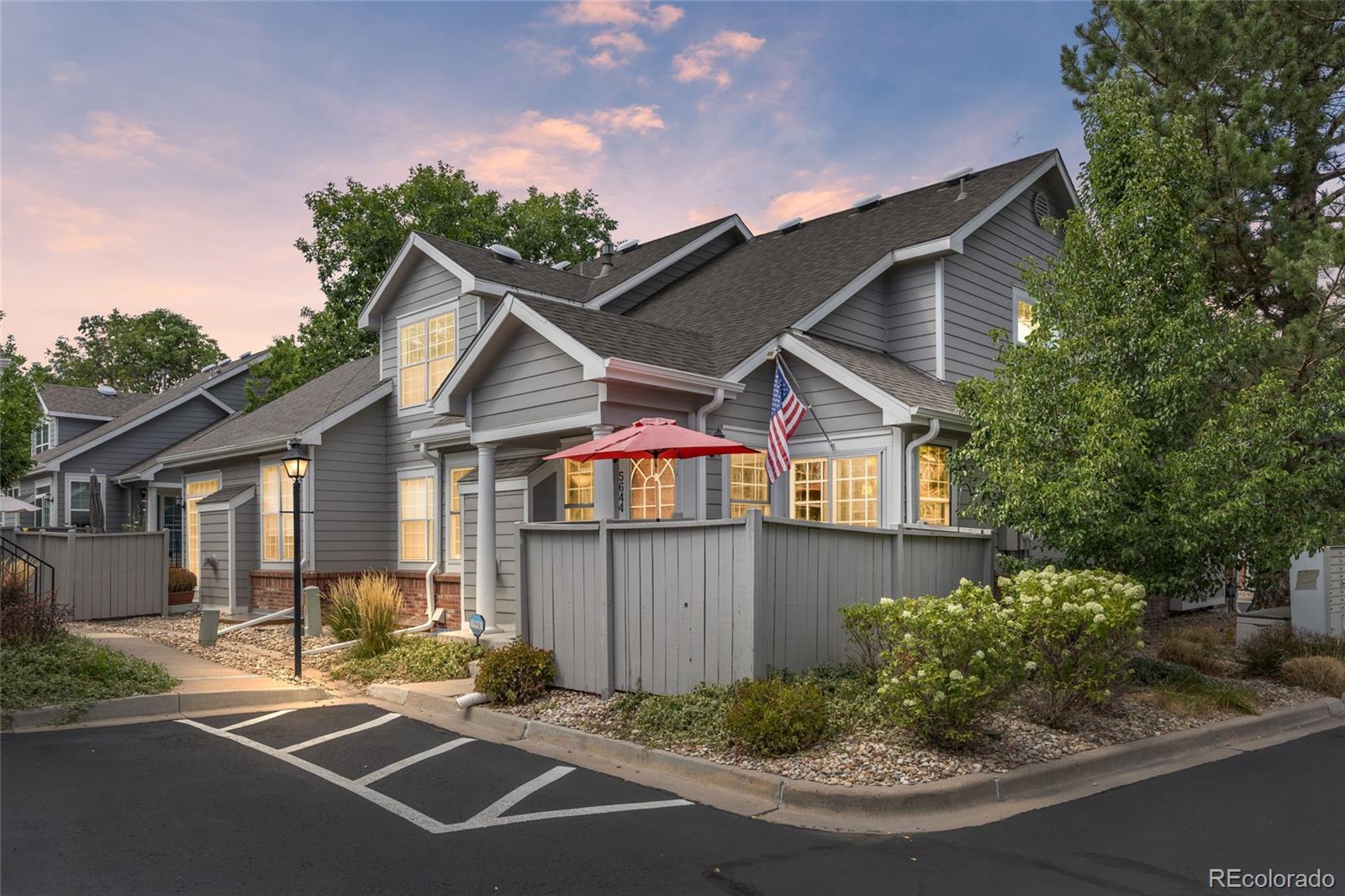
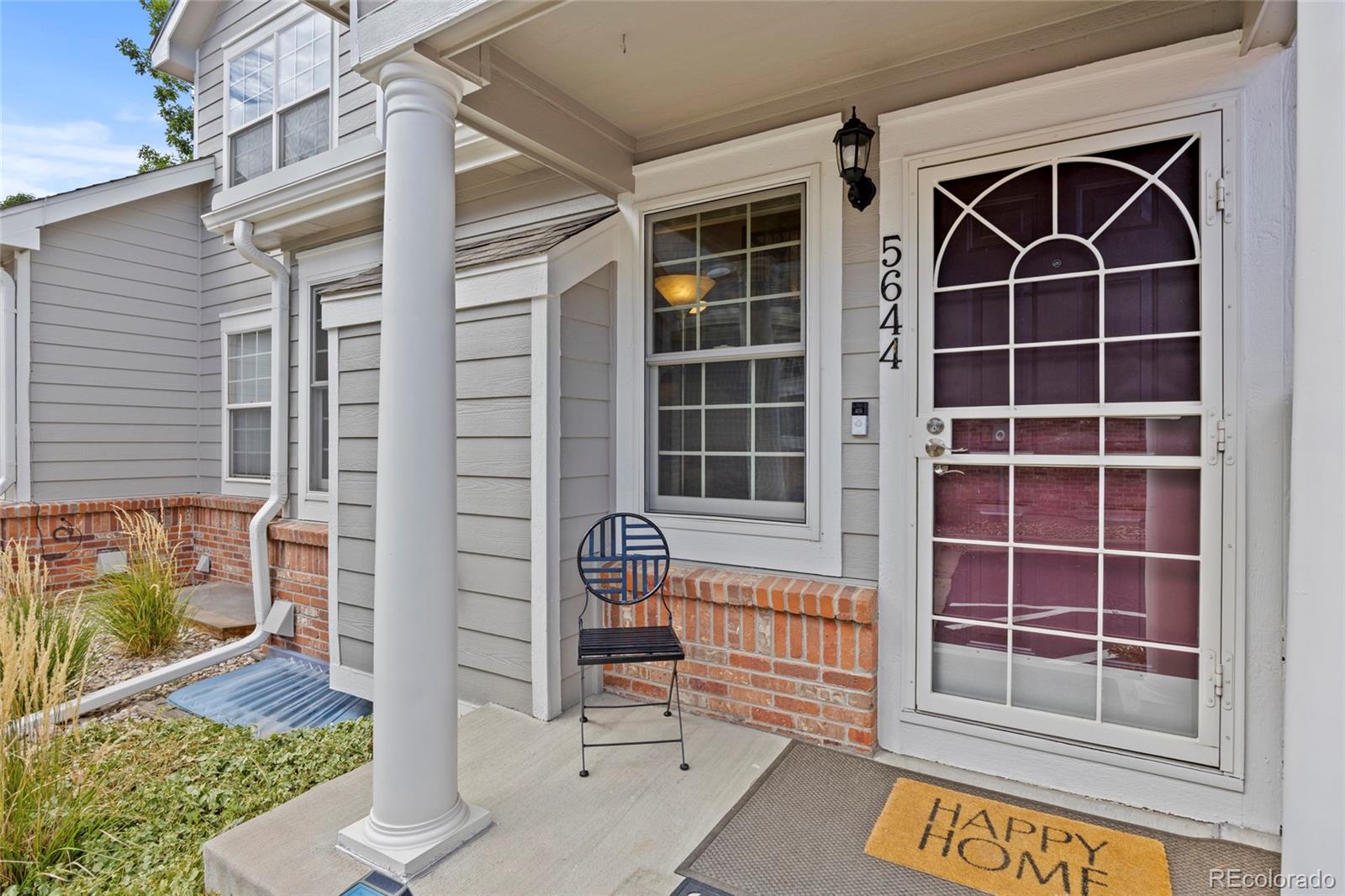


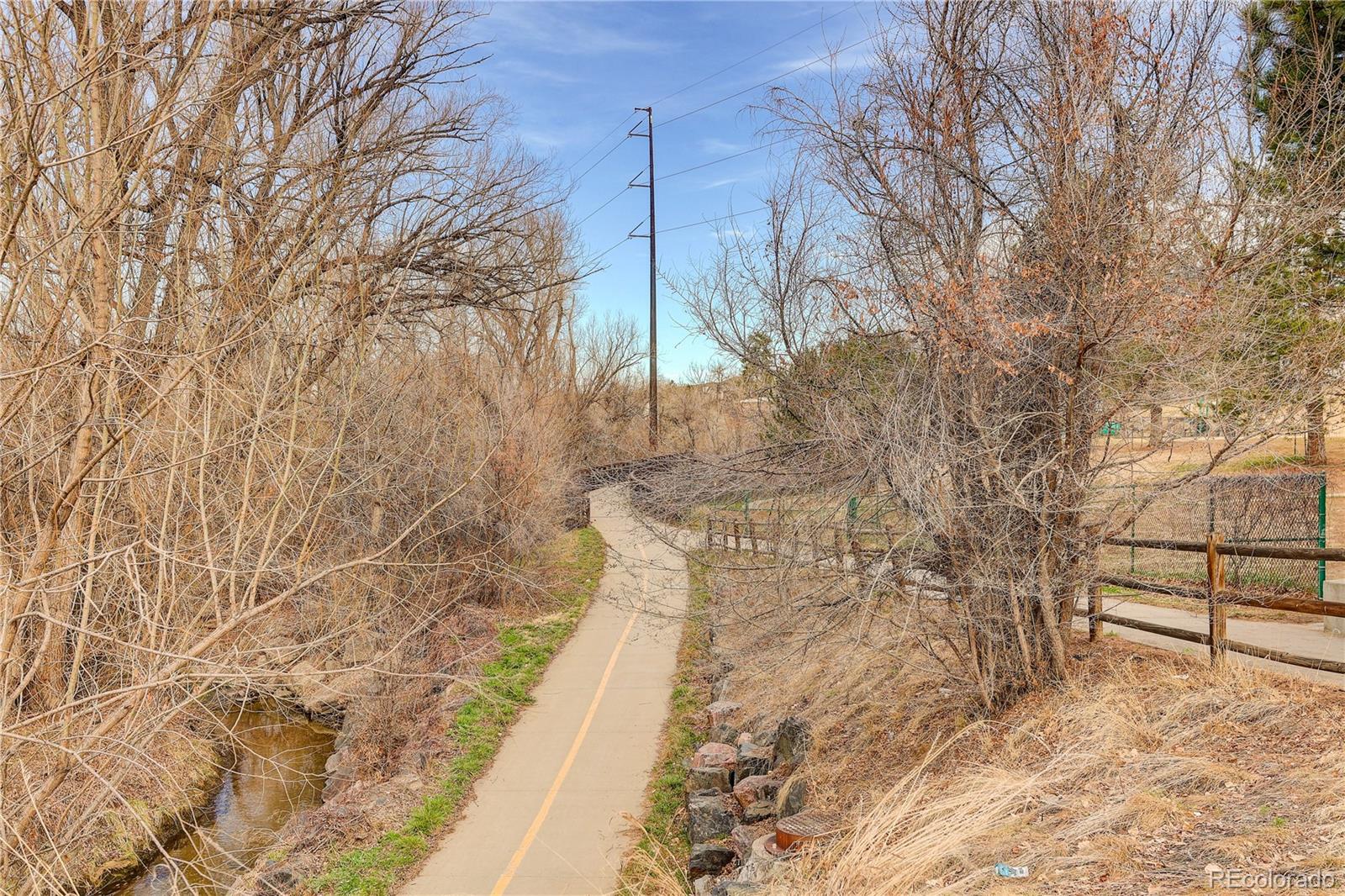
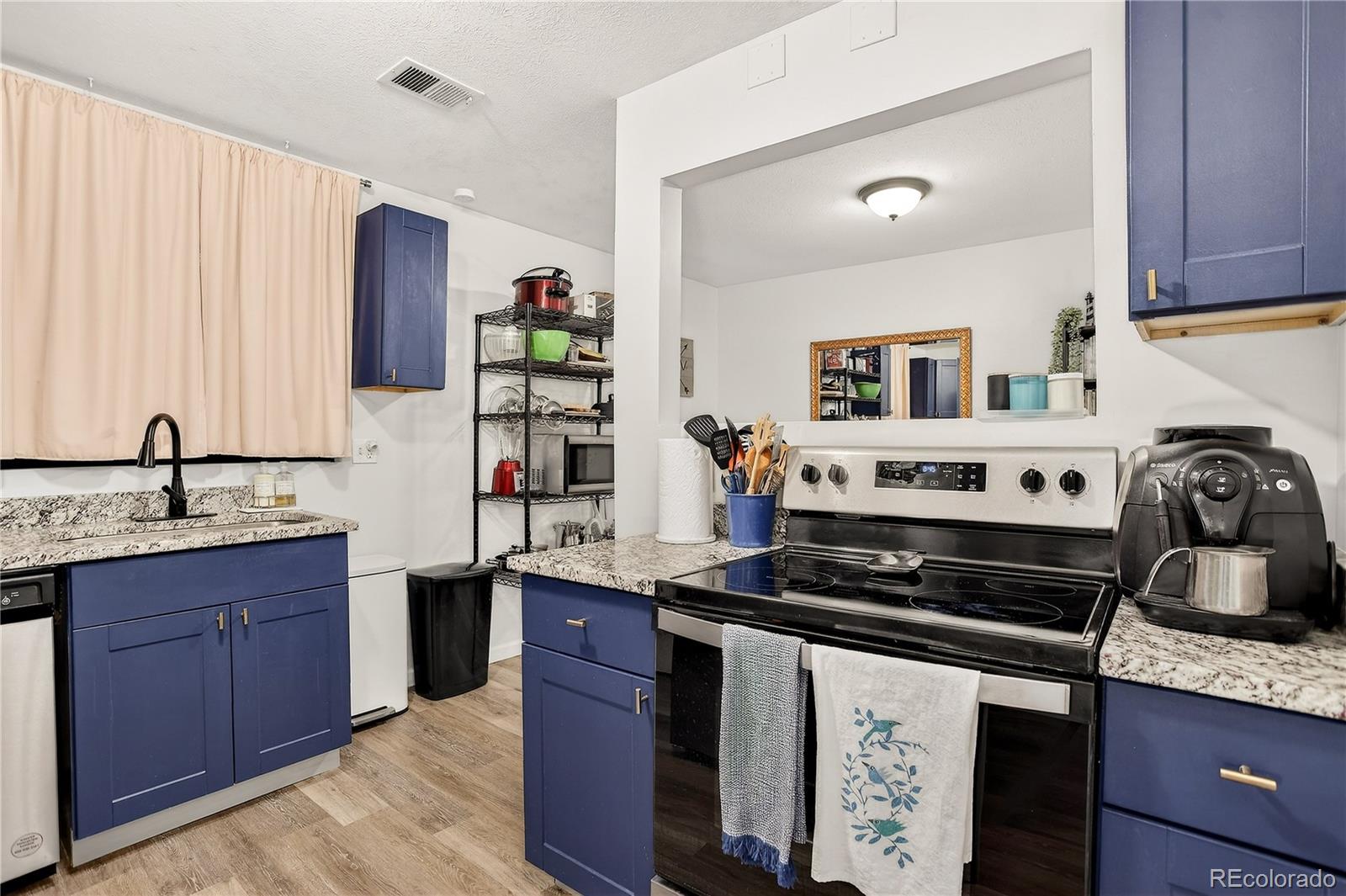
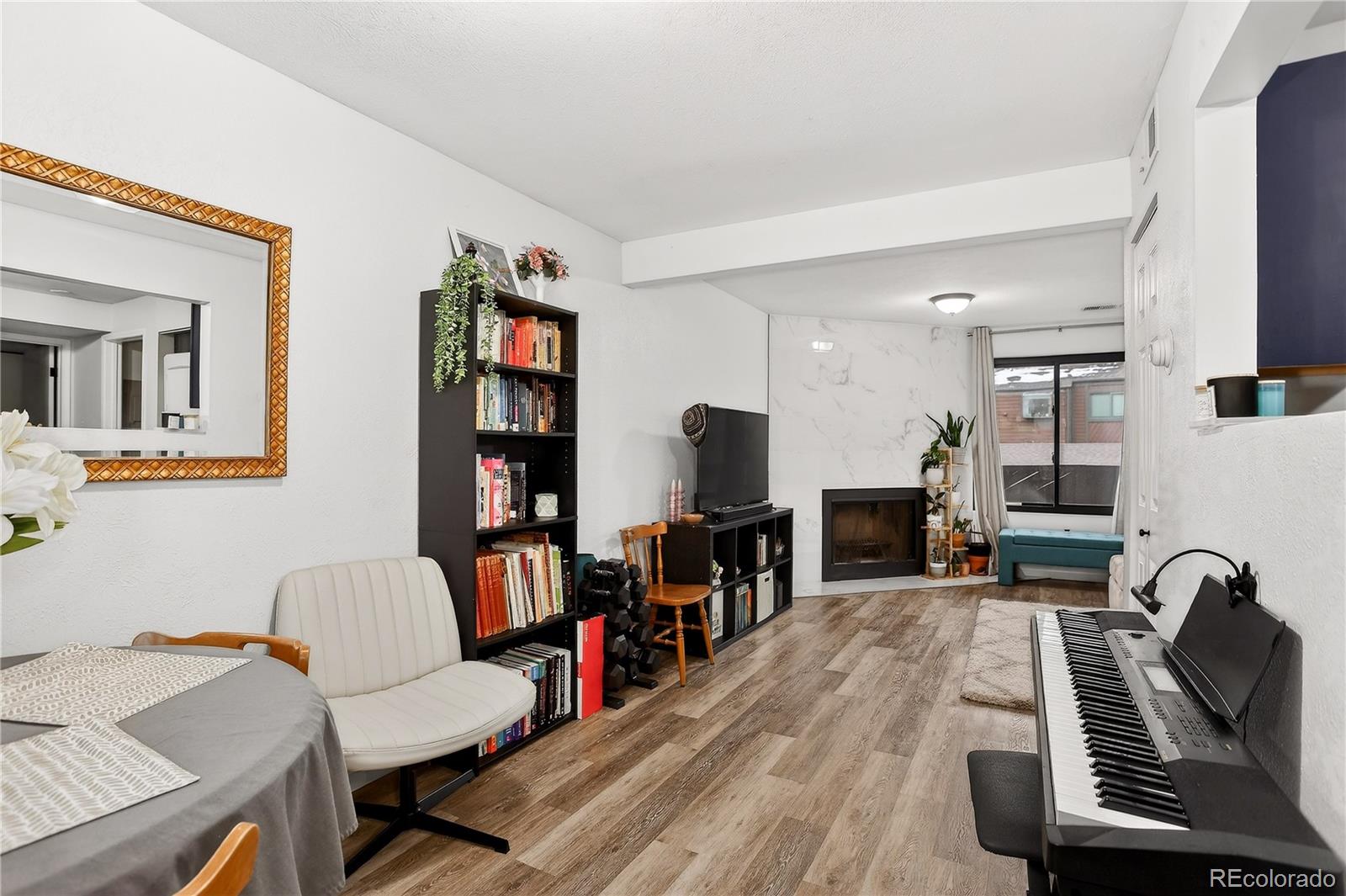
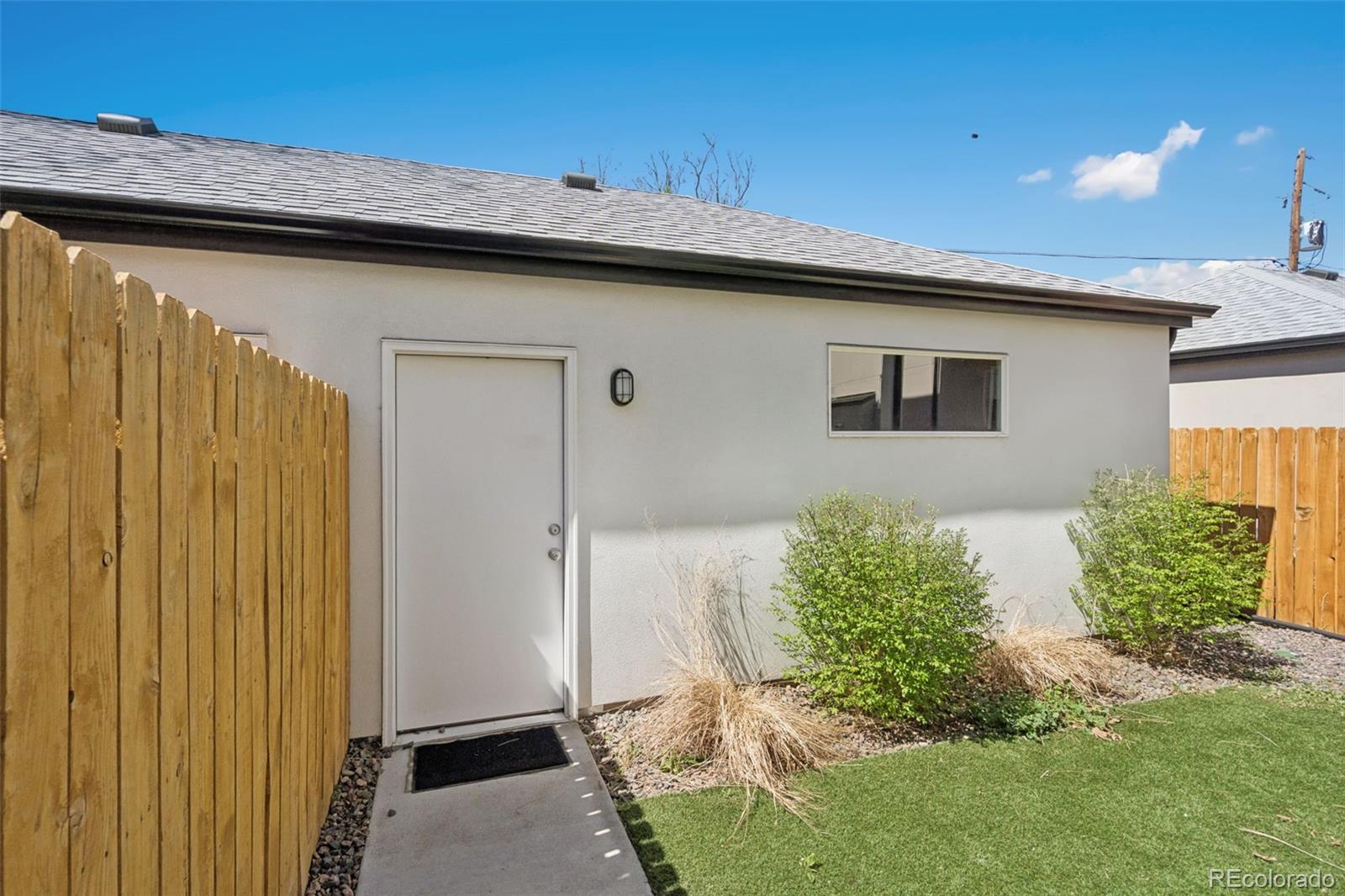
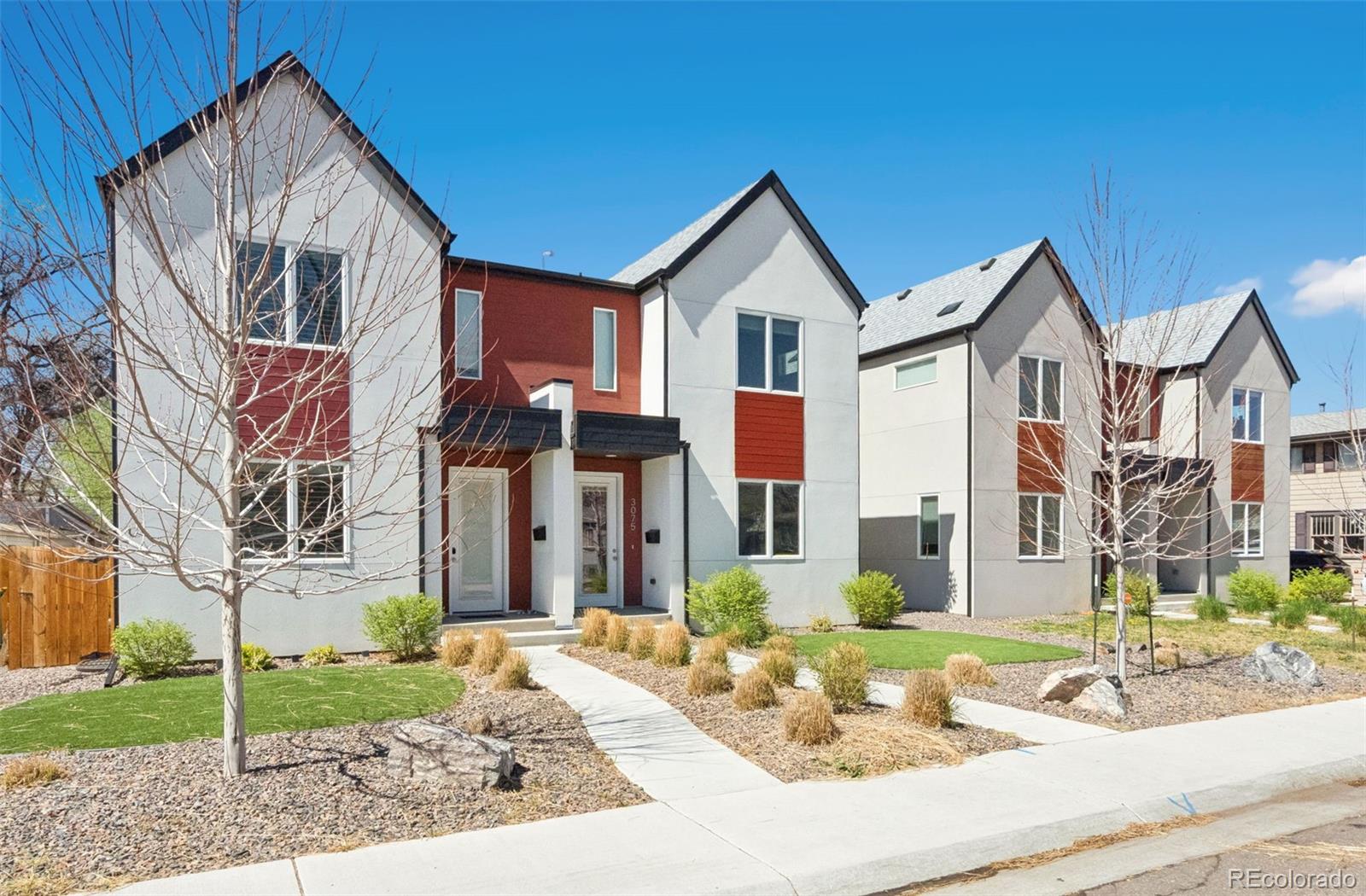
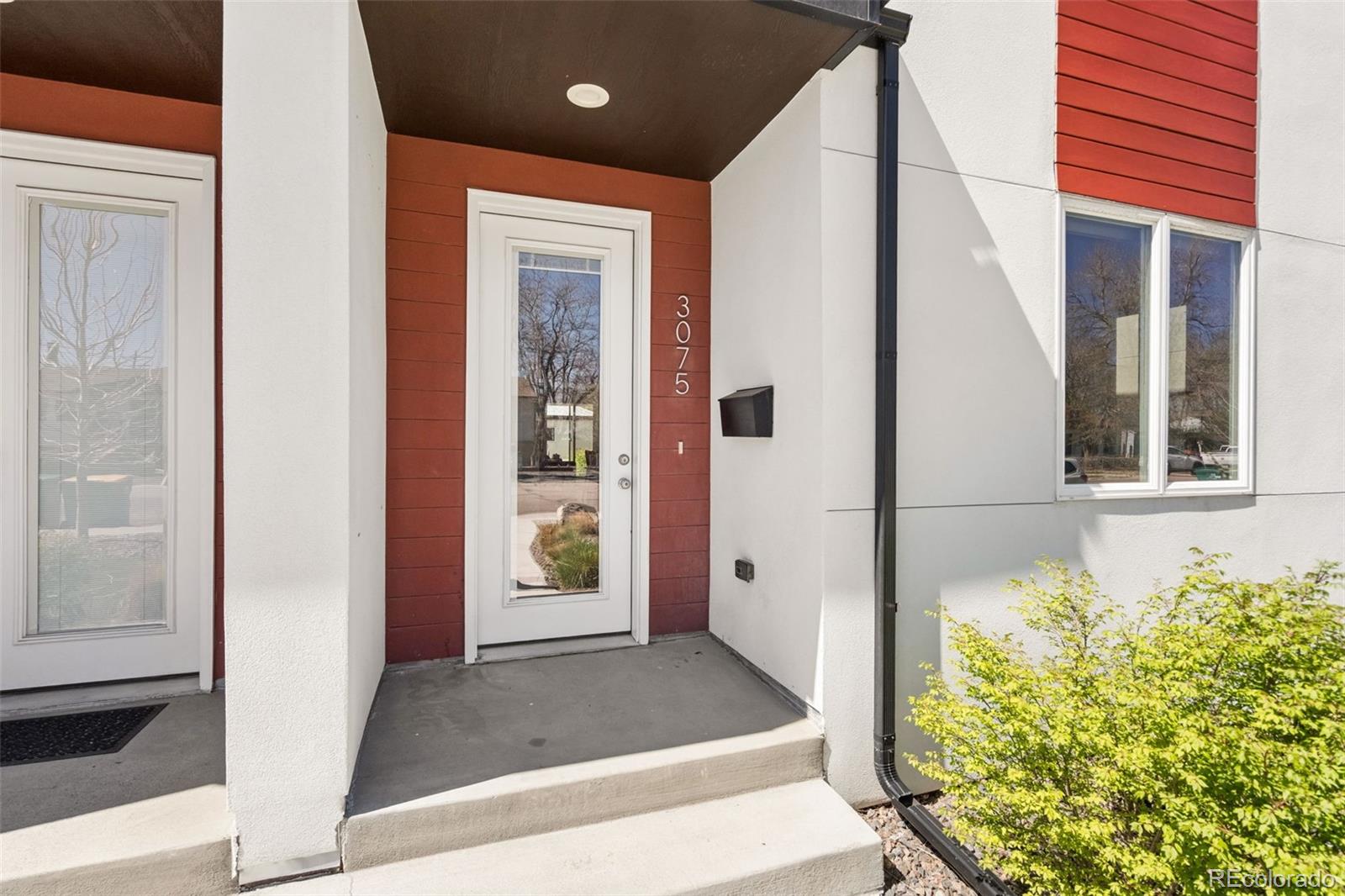


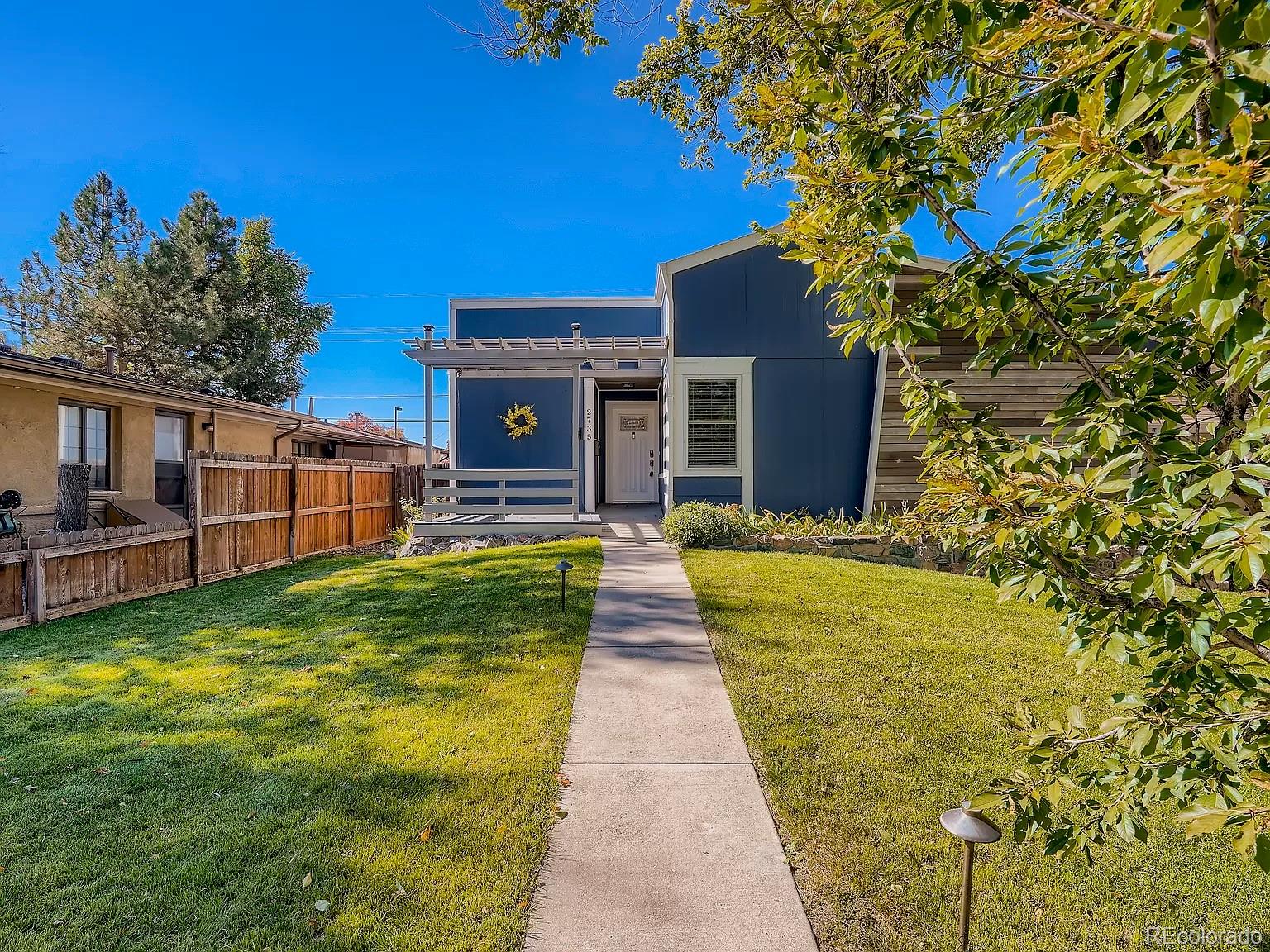
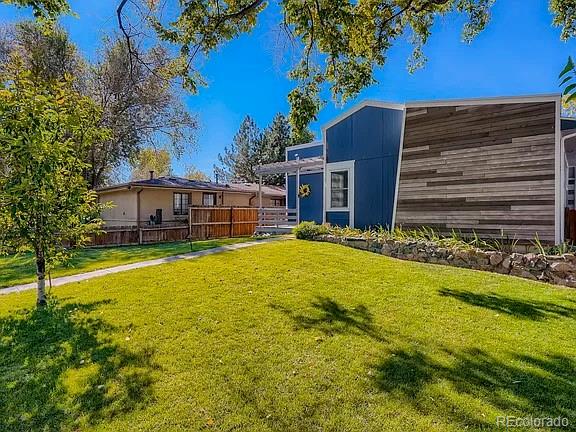


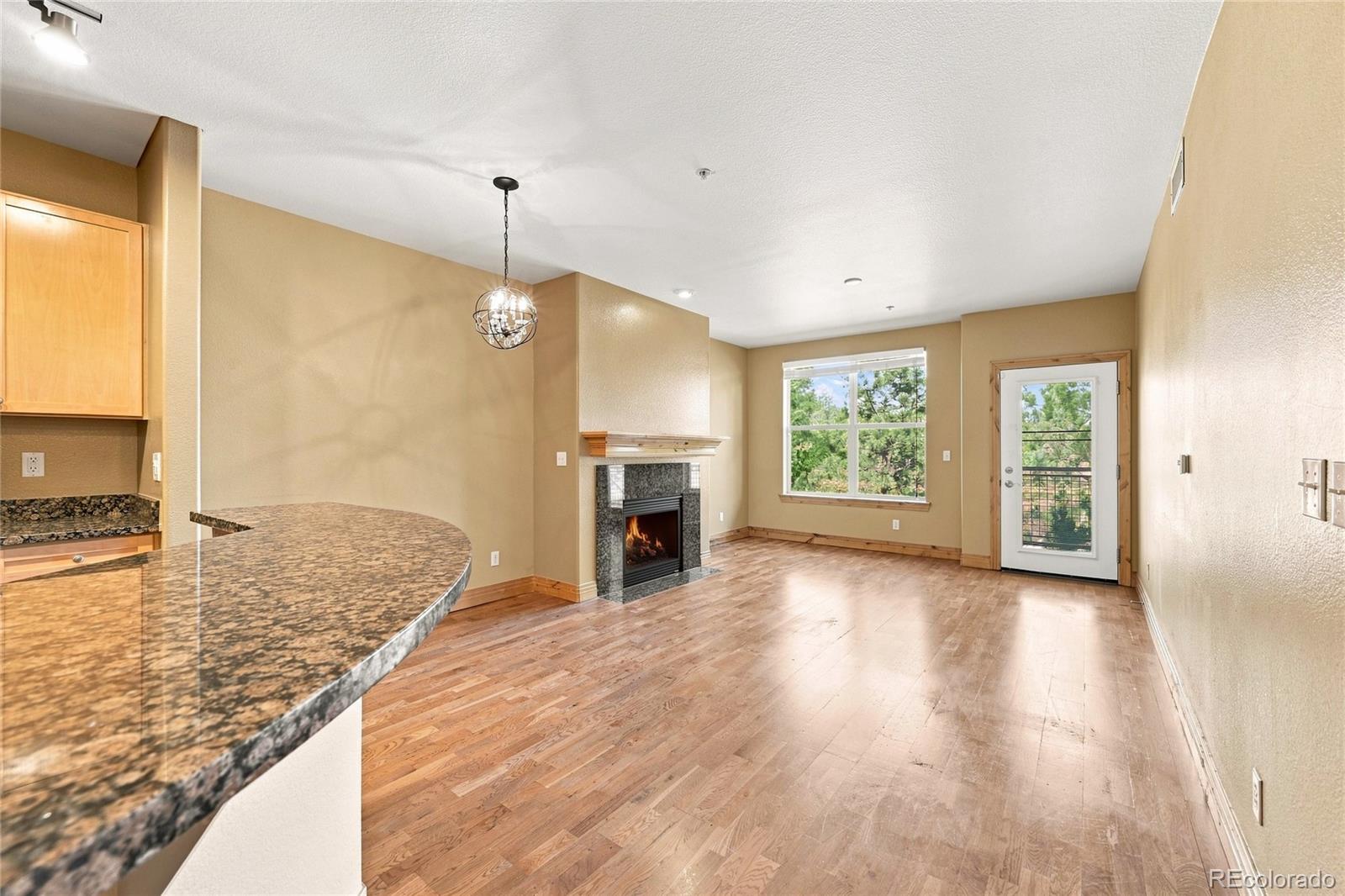
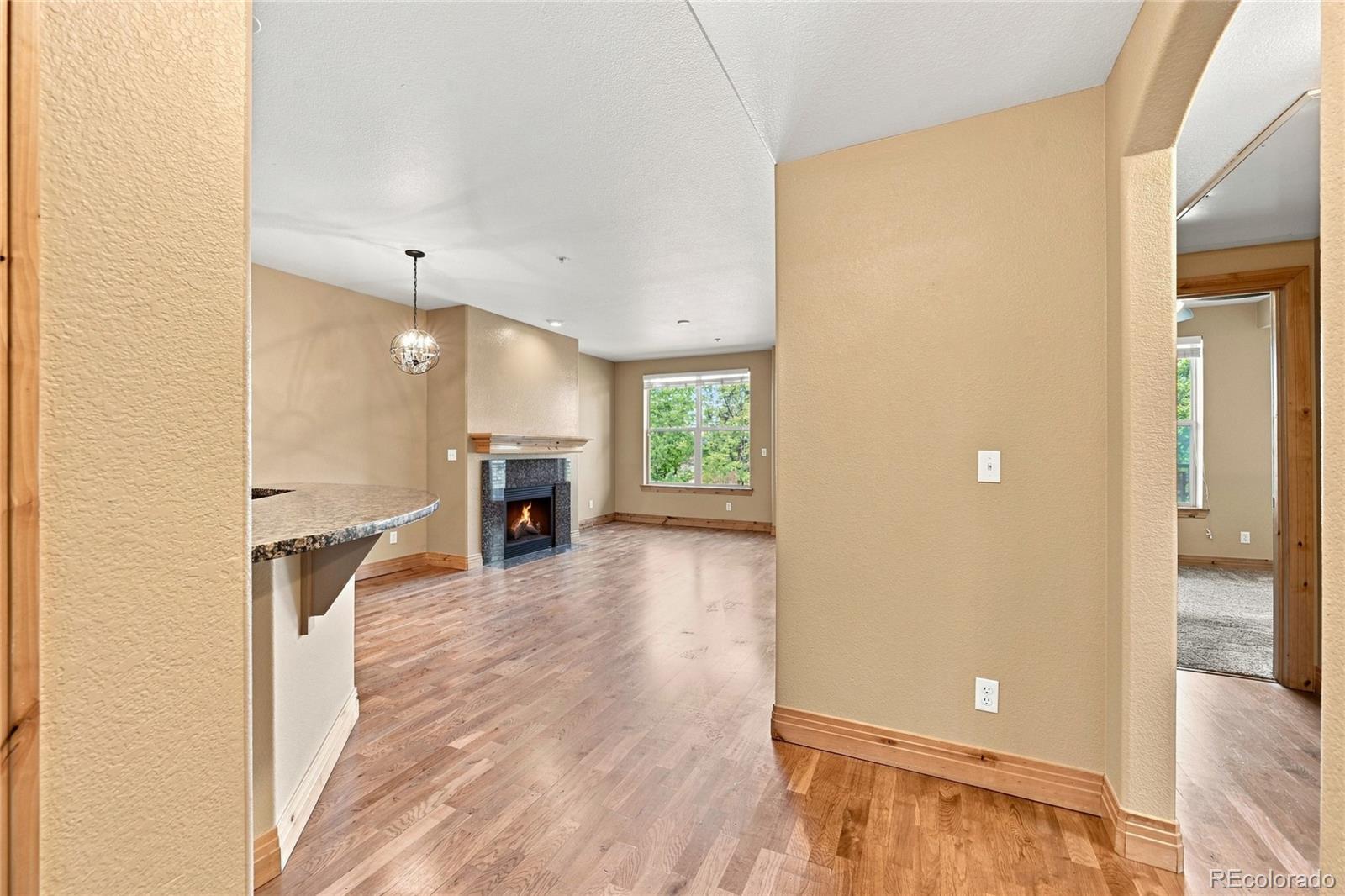


Englewood is one of those places people choose because it makes the week feel manageable. You’ve got real “leave-the-house” spots on S Broadway, practical access to US-285 and I-25, and a first-ring suburb vibe where you can still be in Denver quickly without doing Denver every single day. Use the cards below while you click through the homes above—these are the small, local details that tend to matter more after move-in than they do on a listing page.
A lot of people pick Englewood because they can be on US-285 or I-25 fast, without living right on top of the busiest parts of Denver.
When you’re comparing homes, it’s worth doing a quick weekday test in your head: how many turns would it take to get to your usual groceries, your gym, and your most common commute route?
Locals are pretty consistent on this: rail is a win when your start and end points line up, and it’s less helpful when they don’t.
If transit is part of your plan, look at homes within a comfortable trip to Englewood Station (near W Floyd Ave) and confirm the parking and connections you’d actually use.
Buyers talk about Englewood like it’s one thing, but day to day it’s often two patterns: the S Broadway side where you’ll actually walk to coffee or a show, and the S Santa Fe side where routes and quick access tend to be the main advantage.
If you want the “I can step out tonight” version of Englewood, Broadway matters. If you want “I can get out of town quickly,” Santa Fe and 285 tend to matter more.
This is a small thing, but it’s a helpful one: “Downtown Englewood” isn’t just a vibe label. The city planning materials describe a real study area around Broadway and the surrounding grid.
If you want a home where walking to dinner or a show is realistic, focus your searches around the Broadway core, not just anywhere with an Englewood address.
If you have kids, you’ll hear Belleview Park come up quickly. The Englewood Farm & Train is one of those local rituals that turns into a regular habit, not a one-time outing.
Buyers who want a steady weekend plan like Englewood for this exact reason: you don’t have to drive far to make a Saturday feel full.
This is the kind of stuff residents mention, not real estate sites. People talk about water taste changing seasonally (some households just filter in summer), and certain pockets like Cherrelyn get mentioned for darker side streets at night.
None of this is a dealbreaker. It’s the kind of “know it early” info that makes the buying process feel calmer, because you’re choosing with your eyes open.
If you care about biking or walking for real errands, this is a useful local detail: the city has a multi-modal safety project on W Dartmouth Ave from S Platte River Dr to S Zuni St.
It’s a sign Englewood is treating getting around safely like infrastructure, and it can influence which side streets feel more comfortable over time.
This is the real-life filter. Englewood is at its best when it matches your routine—where you drive, where you walk, and what you like to do on a normal Tuesday.
Englewood isn’t one uniform housing story. If you know what each “type” usually comes with, you can click through the homes above with better instincts—faster yes/no decisions and a cleaner short list.
Expect plenty of older single-family neighborhoods with mature trees and a real “lived-in” feel. The upside is character and yards.
The smart buyer move is basic due diligence on systems age and the normal Colorado checks like radon testing, so the home feels easy long after move-in.
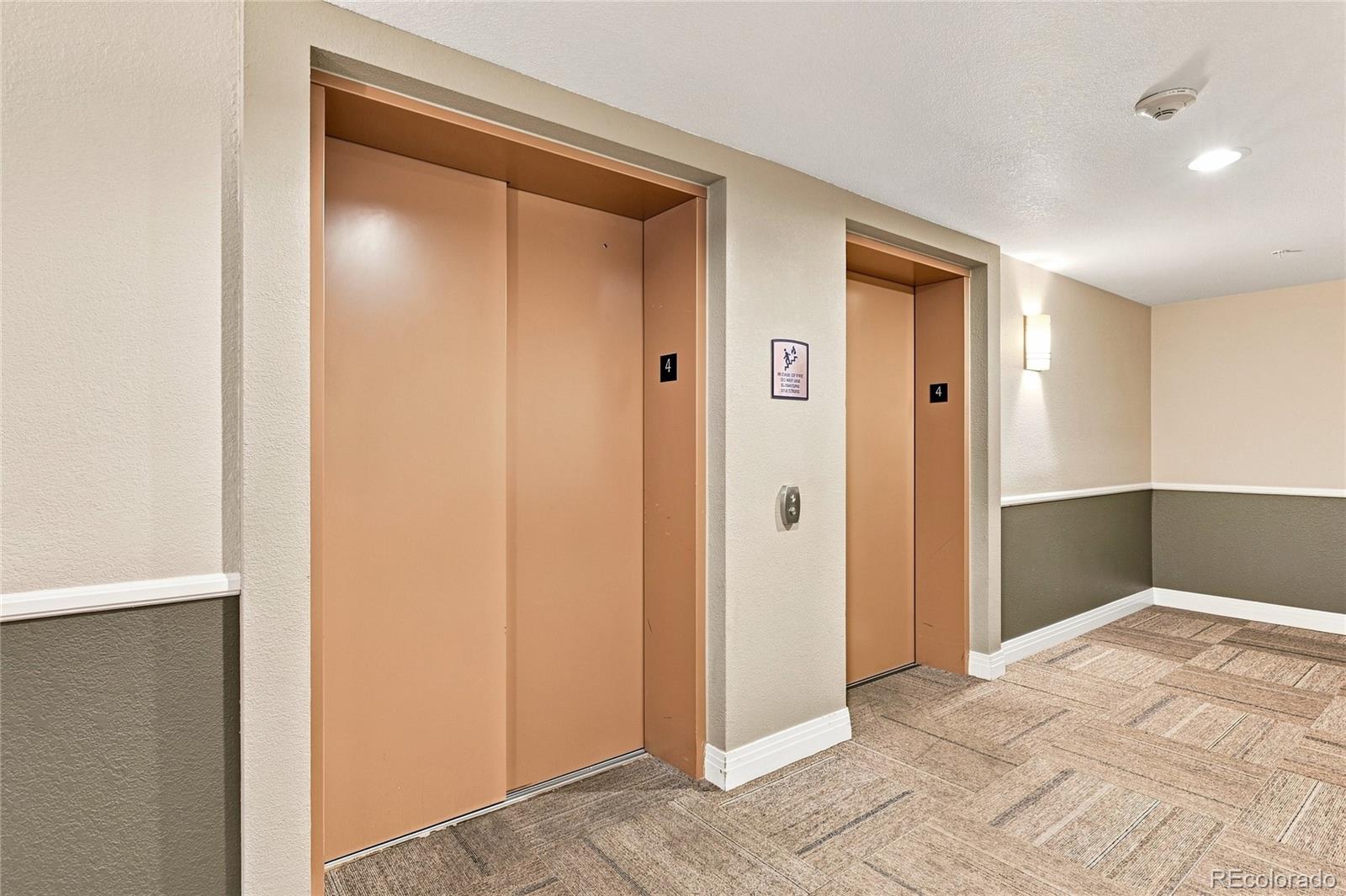
You’ll see townhomes and condos closer to transit and commercial nodes. This can be a great “less weekend maintenance” lifestyle.
The buyer-protective move is to review the HOA scope early—what’s covered, what’s not, and whether reserves look solid—so the monthly stack stays predictable.
Residents regularly clarify this: Englewood can feel very different depending on where you land. The older pockets closer to the Broadway grid tend to feel more walkable and “leave-the-house” friendly.
The practical move is to tour a home and then drive the route you’d actually take to dinner, your gym, and your commute. Englewood rewards buyers who test the week, not just the house.
Around the Swedish/Craig area, buyers often like the “appointments are easy” reality—especially if healthcare access is part of your weekly life.
The city’s free bert shuttle is a small local detail that can make downtown and medical trips feel simpler than you’d expect in a first-ring suburb.
Englewood is a first-ring suburb that people often pick for one simple reason: it keeps the week from getting complicated. You can get onto US-285 or I-25 without a long warm-up, you’ve got real “step out tonight” options along S Broadway, and you can still be in Denver fast without doing Denver every day. If you’re using the listings above the way experienced buyers do, you’re not just scanning photos—you’re building a short list that fits your routine.
The smoothest Englewood purchases usually have the same pattern: buyers decide what their week needs to look like (routes, walkability, parks, nights out), then they verify a few address-level details early (HOA scope, school boundaries, floodplain/radon checks). Do that upfront, and the rest of the process feels a lot more confident.
Day to day, Englewood feels practical and close-in. A lot of people work north, south, or out toward the foothills and like that they’re not stuck to one direction. Weeknights tend to be simple: errands without a long drive, a quick walk, or meeting friends without turning it into a whole plan.
The “leave-the-house” version of Englewood lives around S Broadway. You’ll hear locals talk about the Gothic Theatre and Moe’s because they’re real anchors for live music nights. That detail matters when you’re deciding where to live, because being able to step out for a show and still be home quickly is the kind of thing that makes a place feel easy.
This is one of those local shortcuts that helps buyers decide faster. People who live here often think about Englewood in two daily patterns. The S Broadway side is the “walk to something” version—coffee, dinner, a show, a quick errand where you’re not planning your whole day around it.
The S Santa Fe side is more about routes and quick access—especially if your week involves getting onto US-285 regularly or you want a simpler in-and-out driving pattern. Neither is better. The win is choosing the one that matches your real habits so you don’t spend the first year saying, “We should’ve picked closer to the places we actually go.”
Englewood works best when you pick a home that fits your routes. For many buyers, the big draw is that you can reach I-25 and US-285 quickly, so you’re not adding a bunch of extra minutes before your drive even starts. That’s a real quality-of-life thing, especially on weekdays.
Transit can be a genuine advantage here, but locals tend to say it plainly: it works when it matches your schedule and your destination. If light rail is part of your plan, focus your search around what’s realistic for you to use—especially homes with a comfortable trip to Englewood Station near W Floyd Ave. That “comfortable” part matters more than people expect once it’s winter or you’re carrying groceries.
One local detail that’s easy to miss: Englewood runs the free bert shuttle, and it connects downtown/CityCenter areas with medical facilities. If you’re around the Swedish/Craig side and you have regular appointments in your life, that’s the kind of small convenience that ends up shaping the week in a good way.
If you’re buying with kids in mind, Belleview Park is one of the best “this will actually get used” anchors in Englewood. The Englewood Farm & Train is a true local ritual—one of those places that becomes a repeat Saturday morning, not a once-a-year outing.
In summer, you’ll also hear people mention Pirate’s Cove as a “we should go” spot. Even if you’re not a waterpark family, it’s a good clue about Englewood’s vibe: routines are close enough that you can say yes to small plans without making your whole day about logistics.
“Walkable” in Englewood isn’t one universal thing. It depends on which grid you’re in and what you want to walk to. If you’re looking at the Broadway side, walking to dinner or a show can be real. If you’re closer to the edges, walkability can mean “I can get a few blocks in comfortably” rather than “I can do my whole day on foot.”
A very specific, useful detail for buyers who care about biking or walking for errands: the city has a multi-modal safety improvement project on W Dartmouth Ave from S Platte River Dr to S Zuni St. That’s the kind of infrastructure work that quietly changes how comfortable cross-town trips feel over time.
Englewood is a great place to buy when you do a few quick checks early. Not because anything is wrong—because it lets you enjoy the search without second-guessing. These are the confidence steps buyers are happiest they did upfront:
Confirm the “Englewood” you mean by address: residents often distinguish between the older, closer-in pockets and areas that feel more like office-park edges. The address tells you which daily-life pattern you’re actually buying.
Review HOA scope early for townhomes/condos: what’s covered, what’s not, and whether reserves look healthy. This is the fastest way to keep the monthly stack predictable.
Run the normal Colorado checks: radon testing is common, and older homes deserve a clear look at systems age so you’re not guessing after closing.
Check floodplain maps: if a home feels near the creek or trail, not every nearby area is in a flood zone. A quick address lookup keeps the decision calm and clean.
Do one night-and-weekend reality pass: drive the route you’d take to Broadway, Belleview, and your commute. Buyers who do this once tend to feel much more certain about their final short list.
Englewood gets cross-shopped constantly because buyers are trying to protect their routine. The trade-offs usually come down to two things: what your routes look like on a weekday and whether you want “step out tonight” energy near S Broadway or a quieter, more neighborhood-first setup. Use the comparisons below to self-sort quickly, then click into the area that fits how you actually live.
Littleton tends to win when you want more of a small-downtown feel and a weekend-stroll setup that’s built-in, especially if you like having a defined main area to default to.
Englewood tends to win when you want the first-ring convenience and your nights out revolve around S Broadway, plus quick access to US-285 and I-25 without a longer drive to start your commute.
Greenwood Village gets pulled in when work is truly DTC-centered and you want the shortest possible weekday pattern, with a more residential, quieter feel in many pockets.
Englewood is the alternative when you still want strong DTC access, but you prefer a more “do stuff” strip along Broadway and a first-ring suburb feel that supports both Denver nights and south-side errands.
Centennial tends to win for buyers who want more newer-subdivision patterns and a quieter, spread-out daily rhythm, especially if school logistics or south-suburban routes are the main driver.
Englewood tends to win when you want to be closer-in and you care about having a few real walk-to options, plus easier access to US-285 and the Broadway side of south Denver.
Sheridan comes up when buyers want to stay close to US-285 and like being near major retail nodes and Platte River access points without paying for a more “downtown strip” lifestyle.
Englewood tends to win when you want the same practical routes, but you also want the Broadway grid, live music nights, and a more established first-ring suburb feel.
Platt Park and University get cross-shopped when closer-in is the priority and you want more of a Denver grid feel, especially if you like being near bigger dining clusters and you’re okay with more city logistics.
Englewood is the alternative when you still want a night-out strip and fast Denver access, but you prefer the first-ring suburb version of daily life where routes and errands stay simpler.
Highlands Ranch tends to win for buyers who want a newer, planned-community pattern with more built-in parks and a quieter night feel, and who don’t mind being farther from the Denver side of life.
Englewood tends to win when you want to be closer-in, keep US-285 and I-25 access tight, and have a Broadway-based “step out” option that you’ll actually use.
Note: If your decision comes down to one or two streets, do the simple test—drive the route to your most common errand, your commute start, and your usual night-out spot. The right fit usually feels obvious after that.
These are the questions buyers ask once they’re serious—because they’re trying to protect their week, not just pick a house. If something here matters to your routine, it’s worth verifying early so you can shop with confidence.
This comes up a lot because the “Englewood” people picture (older, closer-in blocks and the Broadway grid) isn’t always the same as what a job listing or apartment ad calls Englewood. The clean way to verify is to check the parcel record by address and confirm the jurisdiction.
A reliable starting point is the county parcel lookup for property records: Arapahoe County Parcel Search.
This is one of the biggest “fit” questions in Englewood. The South Broadway side tends to be the walk-to-something pattern—coffee, dinner, and live music nights at places like the Gothic. Santa Fe tends to be more about routes and quick access, especially if you’re on US-285 often.
If you’re stuck between two homes, do the simple test: drive your most common errand route and your usual night-out route from each address. One of them usually feels easier immediately.
It can be a real win when it matches your schedule and destination. The thing buyers underestimate is the “first and last mile” part—how easy it is for you to actually get to the station on a normal weekday.
RTD’s facility page is the fastest way to confirm the details that matter (address, parking, bus connections): Englewood Station (RTD).
bert is Englewood’s free shuttle service connecting CityCenter/downtown areas with nearby medical facilities. It’s especially useful if healthcare appointments are part of your weekly life, or if you like the idea of parking once and keeping the day simple.
The city’s page lays out how it works and where it runs: bert Free Shuttle.
If you’re buying with kids in mind, Belleview Park is one of the most dependable “this will actually get used” anchors, and the Farm & Train is a true local routine in season. In summer, Pirate’s Cove comes up constantly as the easy yes plan.
Official references: Englewood Farm & Train | Pirate’s Cove.
This is a real “quiet value” detail if you care about walking or biking for errands. The city’s West Dartmouth multi-modal project focuses on the corridor from S Platte River Dr to S Zuni St, with changes like bike lanes, ADA curb ramps, signal work, and improved street lighting.
Project page: West Dartmouth Ave Multi-Modal Safety Improvements.
Most careful buyers treat radon testing like a standard part of due diligence, and older homes deserve a clear look at systems age so you’re not guessing after closing. It’s not about worrying—it’s about buying with your eyes open.
Colorado guidance: CDPHE radon testing.
Don’t guess. “Near the creek” doesn’t automatically mean “in a flood zone,” but it’s smart to verify by address early so the decision stays calm and clean.
Use FEMA’s official lookup: FEMA Flood Map Service Center.
Note: Schedules, park operations, and project timelines can change. When a detail matters to your routine, verify it directly with the linked source for the specific address or facility.