
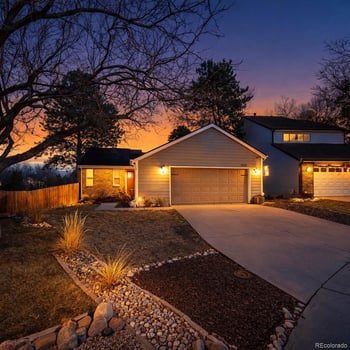
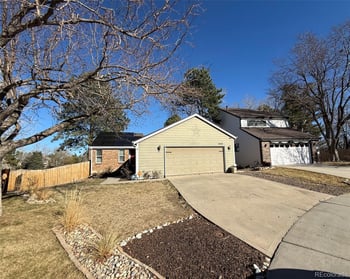
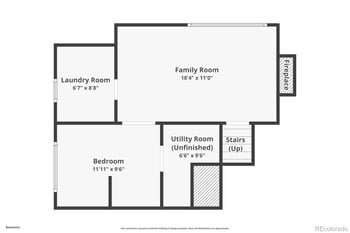
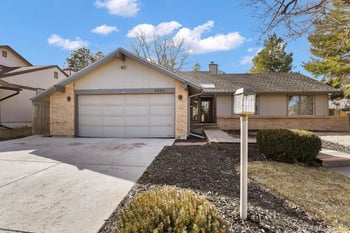
$430,000
Active
3
Beds
3
Baths
2158
Sqft
0.2
Acres
2359 E Nichols Pl, Centennial, CO 80122
MLS#: REC5348008
Centennial CO homes for sale sit in the in-between zone where a Denver Tech Center commute is realistic, but you can still hop I-25 or E-470 fast when your day runs long. Homebuyers usually sort by school boundaries, HOA rules, and whether daily life feels closer to The Streets at SouthGlenn errands or an evening walk on the High Line Canal Trail.
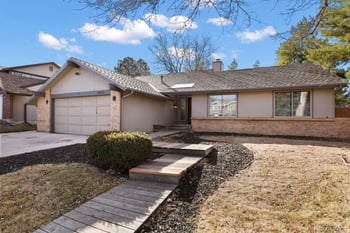
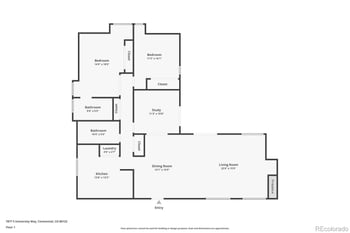
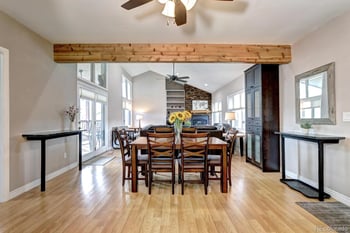
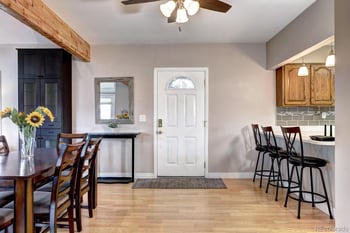
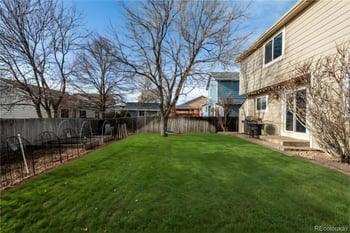
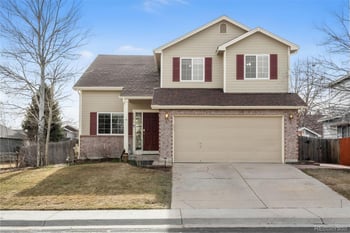
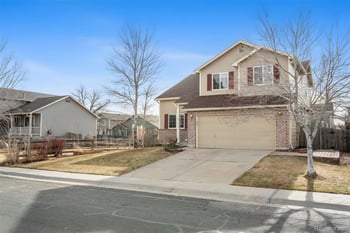

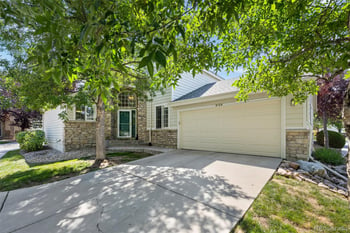


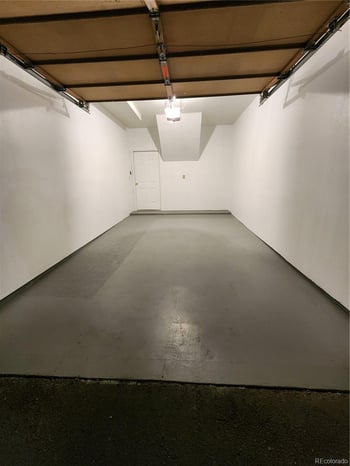
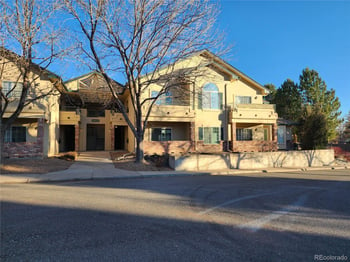
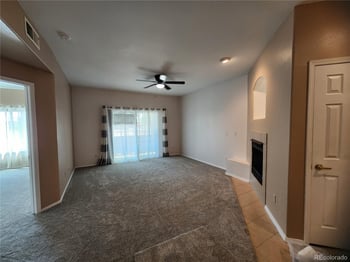


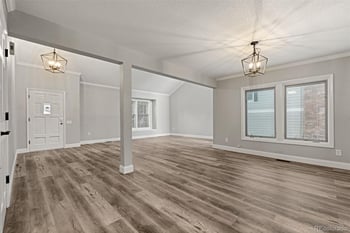
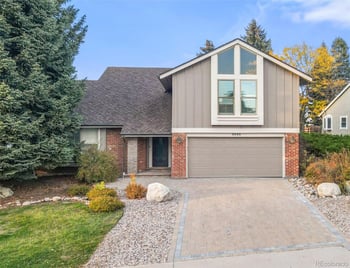


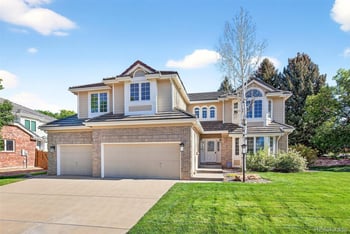
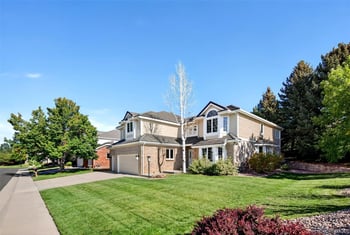
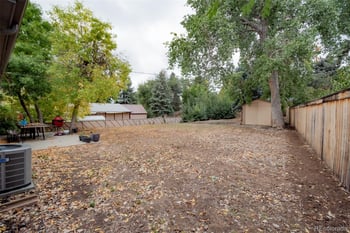
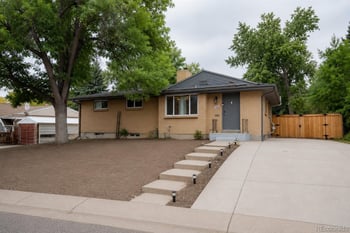
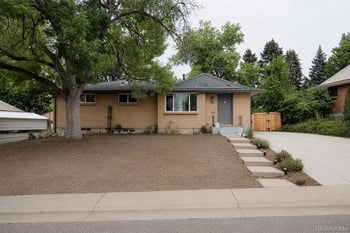


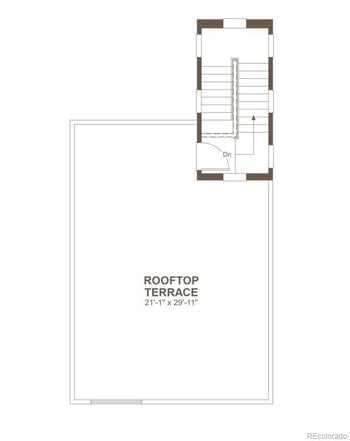

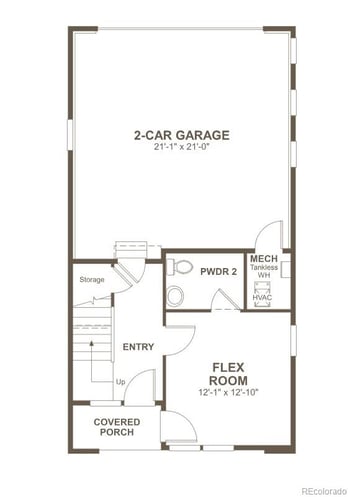


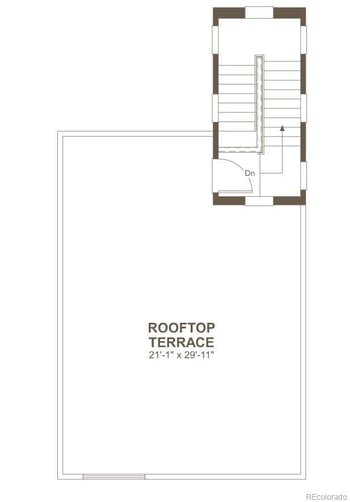
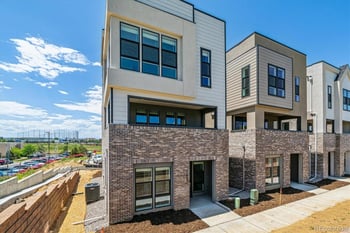
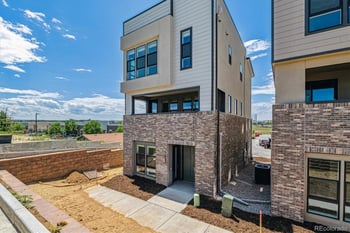
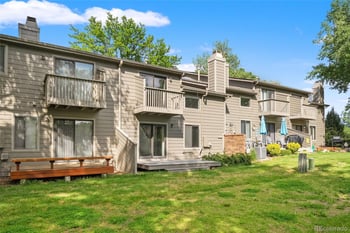




Centennial tends to reward buyers who shop it like a real place, not a vague “south metro” pin on a map. Start with the commute lanes you’ll actually run, then pick the convenience zones you’ll use on a Tuesday night, then let parks and trails break the tie. People describe Centennial as comfortable and practical—more drive-to-it than walk-to-it—so the right filters can make the whole home search feel calmer and more confident.
A suburban setup where routines are easy to build—workdays flow around I-25/DTC access, errands have obvious “go-to” zones like SouthGlenn, and your off-hours can still feel active because the High Line Canal and the park system give you low-friction ways to get outside. Centennial is a good match for buyers who like clarity and predictable weekly patterns.
These aren’t “gotchas.” They’re quick confidence checks people recommend because they prevent the classic “we didn’t realize…” moment. If you like certainty, you’ll appreciate how fast these tighten up your shortlist.
Centennial searches can cross Cherry Creek School District and Littleton Public Schools boundaries. The calm way to shop is to run the exact address early—before you build your whole decision around a school assumption.
Drive your likely route on a normal weekday—especially if you’ll use I-25 via Arapahoe, Dry Creek, or County Line. Two quick tests (morning + late afternoon) tell you more than a dozen guesses.
Most buyers don’t realize this exists: Centennial Airport has a public noise and flight-path portal designed for address-level awareness. If noise is a big quality-of-life factor for you, this is a quick way to shop with confidence.
Plenty of Centennial buyers are happy in HOA communities—especially if they want tidy common areas and less exterior workload. The part that matters is simple: read the rules that touch your day-to-day life early (parking, rentals, exterior changes).
Centennial is one of those places where the best buyers quietly use the City’s own map tools to confirm the basics that shape services and long-term comfort—district layers, airport influence areas, and other details that don’t always show up clearly in listing remarks.
Centennial home searches go smoother when you treat this page like a sorting tool. The best approach is simple: start with the routes you’ll actually drive, then pick the “weekly life” places you’ll naturally use, then tighten your shortlist by the outdoor spots you’ll return to over and over. In real-world chatter, people describe Centennial as comfortable, practical, and easy to live in—just not the kind of place where you wander out your front door and do everything on foot.
If you like clarity, Centennial can be a really satisfying place to buy because the decision is very checkable: school assignment by address, airport noise by address, and city map tools that confirm the details people usually learn too late. Once the basics are settled, you can focus on what actually improves day-to-day life—parks, trails, and the convenience zones that keep weeknights easy.
The quickest way to narrow Centennial listings is to decide which lanes you want to live inside. A lot of buyers use the same shorthand you’ll hear in everyday conversations: “near Arapahoe,” “near Dry Creek,” or “near County Line,” because those access points shape what your weekdays feel like. If you want predictable routines, that one choice reduces a ton of friction.
If you like the idea of mixing in train days, RTD’s E Line is a real option through this part of the metro. The schedule and stops are easy to sanity-check, and you’ll see the familiar station names pop up for south-metro commuting. You can pull the live schedule here: RTD E Line schedule.
Small local move that helps: when you’ve got 5–10 favorites, do one quick weekday drive at the times you’d actually live there (morning + late afternoon). It’s not about hunting for problems—it’s a confidence check. When the route feels right, everything else about the home decision feels lighter.
One of the underrated reasons Centennial works for a lot of people is that you can still get outside without turning it into a whole production. The High Line Canal Trail is a big part of that. If you’ve never used it, it’s the kind of path that becomes part of the week—walks after dinner, a weekend loop, a place to reset without driving across town.
A very specific example that most homebuyers don’t know until someone points it out: Goodson Recreation Center sits right by the High Line Canal Trail and deKoevend Park. South Suburban’s Goodson page notes the trail and deKoevend are “a few steps away,” and the High Line Canal guide lists the Goodson Recreation Center Trailhead with practical amenities like parking and restrooms. Goodson Rec Center and Goodson Trailhead details.
The other easy, lived-in reference point is Centennial Center Park. It functions as more than “a park on a map” because it hosts community nights and events—so it’s one of the places people naturally end up when they want something simple that still feels like getting out of the house.
The Streets at SouthGlenn shows up constantly in real conversations because it’s one of the easiest go-to spots: park once, walk around, grab a meal, and knock out errands without thinking too hard. If you’re moving from out of state, it’s also a helpful mental map point because people will use “SouthGlenn area” as shorthand.
Here’s the little-known part that’s actually useful when you’re buying nearby: the City’s SouthGlenn project page notes the City’s purchase does not include the former Sears or former Macy’s properties, and it also notes activity around the former Macy’s location (including exploration of an amendment and an August 2025 virtual community meeting). That’s the kind of context that keeps you grounded in facts instead of rumors when you’re thinking longer-term.
If you want to read it directly, here’s the source: The Streets at SouthGlenn – City of Centennial.
Centennial is a place where a few address-based checks make the whole purchase feel steadier. If you like certainty, this is good news—because you don’t have to guess your way through it.
One standout tool that most buyers don’t discover until late: the Centennial Airport Noise Information Portal lets you enter an address, drop a pin, and see location-specific information about flights and potential impacts. If airport activity matters to your quality of life, this tool gives you clarity fast: noise.centennialairport.com.
Another quiet win is using the City’s map resources to confirm the basics that shape services and planning: Centennial Maps.
How to use this page like a pro: save two or three searches that match your real life (your commute lane + your home type + one lifestyle priority like “near High Line Canal access” or “near SouthGlenn”). Then compare listings inside those lanes instead of bouncing across the entire south metro. It keeps the process clear, and it usually makes the yes decision feel obvious when you find the right fit.
Centennial is big enough that cross-shopping is normal. Most homebuyers compare a few nearby areas that share the same commute lanes and weeknight lifestyle. A clean way to use this is to pick one “comfort match” area and one “stretch option,” then compare homes using the same commute logic and the same lifestyle priorities.
If your daily life is built around DTC, Greenwood Village is the clean comparison. It tends to feel more DTC-adjacent by default, and homebuyers cross-shop it when they want to keep the south-metro lifestyle but tighten the weekday drive.
Littleton is a common cross-shop when homebuyers want a clearer town-center feel and a more defined local core. If Centennial feels organized around convenience zones like SouthGlenn and the Arapahoe/Dry Creek band, Littleton can feel more oriented around recognizable destinations and community anchors.
Lone Tree often enters the mix when homebuyers want a newer-feeling development pattern and easy access to major south-metro retail and medical hubs. It’s also a natural comparison if you think you’ll actually use the E Line more than occasionally.
Englewood is a common cross-shop for homebuyers who want a closer-in feel without jumping fully into central Denver. In some parts it can feel more connected day-to-day, with a different housing mix and a different errand map than Centennial.
Parker is the natural cross-shop when homebuyers want more of a newer-suburbs feel and are okay trading a little more distance for a different neighborhood pattern. It can also make sense if your day-to-day is oriented toward E-470.
Cherry Hills Village tends to come into the conversation when homebuyers want larger-lot patterns and a more private residential setup. It’s not a “same thing but closer” comparison—it’s more about a different residential experience.
Clean way to decide: pick two areas and run the exact same shortlist test in each—commute lane, HOA comfort level, school assignment by address (if relevant), and one lifestyle anchor you’ll actually use (like High Line Canal access or “walk-around dinner” near SouthGlenn). When you keep the decision criteria consistent, the right fit tends to stand out fast.
These are the questions that come up when homebuyers get serious about Centennial—commute lanes, school assignment, HOA rules, and the small quality-of-life checks that make the decision feel steady.
Quick tip: if you’re comparing two homes that both feel right, use one “weeknight check” to decide—drive the route you’ll actually run, then stop by the place you’d most likely spend time (SouthGlenn, the High Line Canal near Goodson, or your nearest grocery run). The right fit usually feels obvious when you test it the way you’ll live it.