


Brighton homes for sale work for buyers who want a true “north of Denver” routine with simple exits—I-76 (think Bromley Ln) and US-85 (the Bridge St spine) shape how the week moves. Errands tend to land around Prairie Center, and for a lot of households it’s comforting having Platte Valley Hospital right there when life happens.
What people love is the mix: a real Downtown Historic District on Main Street, plus easy “get outside” time at Barr Lake State Park when you need a reset. The trade-off is straightforward—closer to the highways feels faster (and busier), while deeper into neighborhoods can feel calmer but a little farther from the quickest on-ramps. For many buyers, this is the low-friction choice: space to breathe, predictable routes, and small-city comfort without losing Denver access. Use the listings below to compare lot size vs. upkeep, garage/parking reality, and how close you want to be to Main Street, Prairie Center, and Barr Lake.


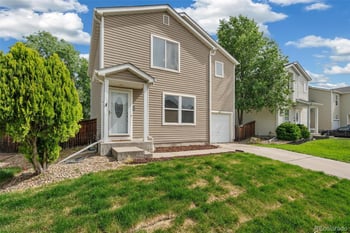


Brighton home shopping gets easier when you think in real routines: how fast you can get onto I-76 or US-85, where you’ll handle weeknight errands, and what you’ll actually do when you have a free hour. The notes below are meant to help you sort quickly, so the listings above feel easier to click through.
Locals don’t describe Brighton by miles—they describe it by how quickly the day “starts” on the roads that matter. If you’re headed toward Denver, I-76 is usually the big decision.
If you’re headed north/south, US-85 matters more than people expect. And if your errands run through town, Bridge Street (CO-7) becomes a daily factor. Buyer-protective move: do one real drive at your real time.
Brighton has a very real errands pattern, and a lot of it pulls toward Prairie Center Parkway. In local conversations, this is where the weeknight practical stuff happens—groceries, big-box needs, quick stops.
If “easy adulting” is part of what you’re buying, shop listings with Prairie Center access in mind.
If you’re moving here from somewhere more built-out, the thing that surprises people is how close Barr Lake State Park really is. Locals talk about it for birding and “I just needed air” walks.
The access is straightforward: I-76 to the Bromley Lane exit, then Piccadilly Road. Will you actually use this on a weeknight? If yes, it’s a huge quality-of-life win.
Brighton has two day-to-day settings. The downtown core is Main + Bridge energy—historic blocks, local events, and identity markers like Founders Plaza.
The I-76 side tends to feel more “newer housing + errands-first.” Neither is better. The right pick matches how you spend your Saturdays.
If schools are part of your plan, don’t guess by neighborhood name. Brighton-area school fit is address-specific, and School District 27J makes it easy to check.
Doing this early helps you compare listings fairly—because two homes can feel similar on a map but land in completely different boundaries.
Brighton shows up in “DIA-friendly” shortlists for a reason, but the insider detail is how people actually do it. A lot of locals rely on having the toll option available for consistency, rather than relying on one single free route every time.
If airport access is part of your week, keep that math in mind to stay honest about your commute.
This is the fast “does this match us” check. If most of these feel like your normal priorities, Brighton tends to feel like home quickly.
You like having a go-to side of town for groceries, basics, and quick weeknight stops, and you don’t want every errand to feel like a Denver mission.
Your week includes airport runs or north/east routes, and you’d rather pick a home that matches that reality than fight it every day.
You’re not trying to plan a whole day for nature. You want a place like Barr Lake that’s simple to get to and easy to repeat.
You want a Main/Bridge core where events happen, you can walk around for a bit, and it feels like your town has a center.
Brighton attracts a pretty practical kind of homebuyer: people who want the Denver orbit, but want their day-to-day to feel easier. These snapshots help you self-sort quickly while you browse the listings above.
These homebuyers usually want “errands-first” convenience and a clean jump onto I-76.
If your week is built around easy stops and simple access, this is often where your search feels easiest.
This is for homebuyers who like the idea of a real town center—Main/Bridge streets, events nearby, and a more established street feel.
The win here is neighborhood character and proximity to the core.
These homebuyers want yards, predictable school-day routines, and a day that doesn’t feel cramped.
If “space to breathe” is your primary goal, this is often the natural fit.
These homebuyers usually want “keep it simple” living: fewer exterior projects, predictable upkeep, and a location that makes commuting easy.
Just be sure to review HOA documents so your expectations match reality.
This is for buyers who want more land and fewer neighbors and are okay with different day-to-day logistics.
It can be a great fit when you’re intentionally choosing space and quiet over immediate town access.
Fast buyer check while you browse: click a listing above and confirm three things early—your commute start (I-76 / US-85 / Bridge Street access), your most common errand stop (Prairie Center vs downtown), and whether Barr Lake feels like something you’d actually use. When those align, the choice usually feels obvious.
Brighton is a practical homebuyer’s city. People don’t usually pick it for show — they pick it because the week runs smoother: you can get onto I-76 or US-85 without a bunch of extra steps, the “boring errands” are easy around Prairie Center Parkway, and you have an outdoor reset at Barr Lake State Park that’s close enough to use without planning your whole day around it.
The listings above are the inventory. This is the guide — the local cues that help you click into the right homes with fewer second guesses, and with a better feel for what life would actually look like once you move in.
A very Brighton way of talking about commuting is the “first five minutes” idea. Not the distance. Not the map. The first five minutes. If you can get onto the road you need without friction, your whole week feels different. For Denver-bound routines, I-76 is the main decision. For north/south movement, US-85 becomes the road you’ll talk about with other locals. And for in-town movement, Bridge Street (CO-7) is the daily reality.
This is where Brighton home shopping gets pleasantly simple: pick a pocket that matches your route, and a lot of the “should we have bought somewhere else?” stress disappears. Buyer-protective move: test the route once at the time you actually drive it — not on a quiet Sunday afternoon.
Here’s a local truth that helps homebuyers sort faster: a lot of Brighton day-to-day life naturally pulls toward Prairie Center Parkway and the broader 50th/Bridge area. In real conversations, this is the “default errand” side — groceries, quick household runs, grabbing something last-minute, and being done without turning it into a whole evening.
If you’re moving from a neighborhood where errands are a pain, this part of Brighton tends to feel like relief. When you’re browsing listings, it’s worth checking how easy Prairie Center access would be from that address — because “boring convenience” is a real quality-of-life upgrade.
Brighton has two distinct day-to-day settings. The downtown core is Main + Bridge energy — older blocks, a stronger sense of “this is the center,” and little identity markers like Founders Plaza at S Main St & E Bridge St. The I-76 side tends to feel newer and more errands-first. Neither is better. The question is which one matches how you like to spend your weekends.
If you’re the kind of buyer who wants a place where community life is visible — not hidden behind “you have to know someone” — Brighton does a good job of that. Carmichael Park (650 E Southern St) is a consistent gathering spot for city events, and it’s the kind of thing that makes a town feel easier to belong to.
City: Downtown Historic District • City: Brighton Summerfest
Barr Lake State Park is one of those places locals mention casually because they actually use it. Birding comes up a lot, and so does the simple “I needed air” walk. It’s not a destination you save for vacation time — it’s close enough to be part of a normal week.
The access is straightforward (and people remember it): I-76 to the Bromley Lane exit, then Piccadilly Road. When you’re comparing homes, it’s worth asking whether Barr Lake would realistically become part of your routine — because that answer changes how Brighton feels.
If schools are part of your decision, Brighton has a simple trust move: don’t guess. Use School District 27J tools and verify by address early. It keeps your shortlist clean and prevents the “we assumed” stress that can show up late in the process.
Brighton homebuying is usually at its best when you keep the process simple and confidence-first. A few early checks help you move faster with less stress — and keep the fun part (touring and comparing) actually fun.
Pick the route that runs your week (I-76, US-85, or Bridge Street access) and test it once. If it feels clean, you’ll feel confident faster.
If schools matter, verify 27J early. It keeps your shortlist honest and prevents late surprises.
CO-7 updates are worth tracking because they affect how smoothly you move across town and how errands feel over time.
Simple way to use this section: open a listing above, then ask three questions — “How does my commute start?”, “Where do weeknight errands happen?”, and “What do we do when we have an hour?” If those answers feel easy, Brighton tends to feel like home quickly.
Brighton gets cross-shopped by homebuyers who like the I-76 / US-85 access and the “easy errands” life, but want to pressure-test other options. Most comparisons come down to three real-life questions: do you want I-25 access instead of I-76, do you want to be closer to downtown Denver, or do you want more land and fewer neighbors even if it changes your day-to-day logistics?
Homebuyers cross-shop Thornton when they want the day to “start” on I-25 instead of I-76 and prefer a more metro-oriented setup. The trade is simple: you gain I-25 convenience, but you give up some of Brighton’s small-town pacing and the Prairie Center-style “errands are easy” feel.
Commerce City is the cross-shop when you want to be closer to Denver’s employment core and you’re comfortable with a more industrial-meets-suburban patchwork. VoC-wise, this is the “closer-in convenience” choice versus Brighton’s “more breathing room” feel.
Denver is the cross-shop when you want walk-to-restaurant living and you’re okay trading space and calm evenings for being in the middle of everything. Brighton buyers often do this comparison when they realize they want either “city life” or “week runs clean,” and they don’t want to pretend they can have both at the same time.
Northglenn is a common “closer-in but still suburban” cross-shop. It tends to appeal to homebuyers who want I-25 access and a shorter drive to central Denver, while keeping a more straightforward residential feel than being fully in Denver proper.
Fort Lupton is the cross-shop when you want more of a rural-edge feel and you’re intentionally choosing more space and a quieter setting. The trade is that “easy errands” and commute options can feel less plug-and-play than Brighton’s I-76/Prairie Center setup.
Henderson is often cross-shopped by homebuyers who want the “more land, fewer neighbors” direction without going fully far out. It’s a good comparison if you’re trying to decide whether you want a town with a defined center (Brighton) or you want more open-space living with different day-to-day rhythms.
Fast way to cross-shop without overthinking it: pick one non-negotiable and use it to choose your next click — I-25 access (Thornton/Northglenn), closer to downtown Denver (Commerce City/Denver), or more space and a rural-edge feel (Fort Lupton/Henderson). When that choice matches your week, the right listings stand out faster.
These are the real questions that come up once buyers start clicking into homes and picturing weeknight routines. The goal is simple: fewer surprises, more confidence.
Small reminder while you browse: if a home looks perfect on paper, but the commute start and the weeknight errands don’t feel easy, keep clicking. In Brighton, the best fit is usually the one that makes your week feel calm.