


Boulder homes for sale tend to split into a few daily-life “lanes” pretty quickly: the Pearl Street / downtown side where you can walk to coffee and dinner, the Chautauqua edge at the base of the Flatirons for trail-first routines, and the CU Boulder orbit where bike paths, class-day traffic, and rental energy can shape the feel of a block. A lot of buyers start by choosing what they want to do without getting in the car.
Boulder’s layout makes that easier than most places, especially if you’ll use the Boulder Creek Path as an everyday route. The trade-offs are real: quieter streets and bigger yards usually mean more distance from downtown; closer-in living can mean tighter parking and more weekend activity. For many homebuyers, this is the “wake up and be outside fast” choice—easy walks, quick trail access, and errands that stay simple along familiar spines like Broadway, Arapahoe Avenue, and 28th Street. If a Denver commute matters, being near US-36 (and the Flatiron Flyer stops) can change the whole week. Scroll the listings below and compare what changes your day-to-day: parking reality, yard vs. maintenance, older charm vs. updated systems, and how close you want to be to Pearl Street, trails, and campus energy.


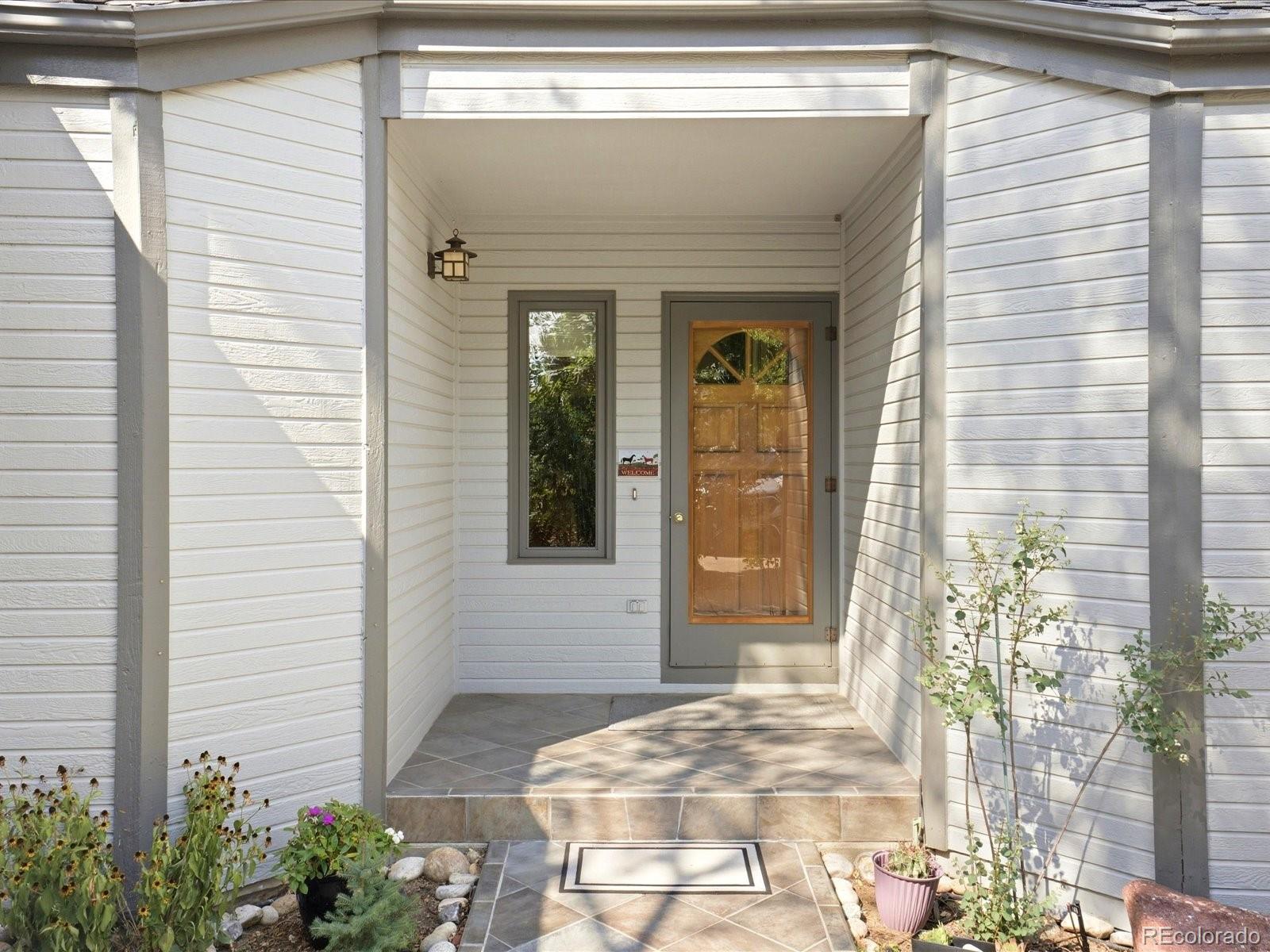
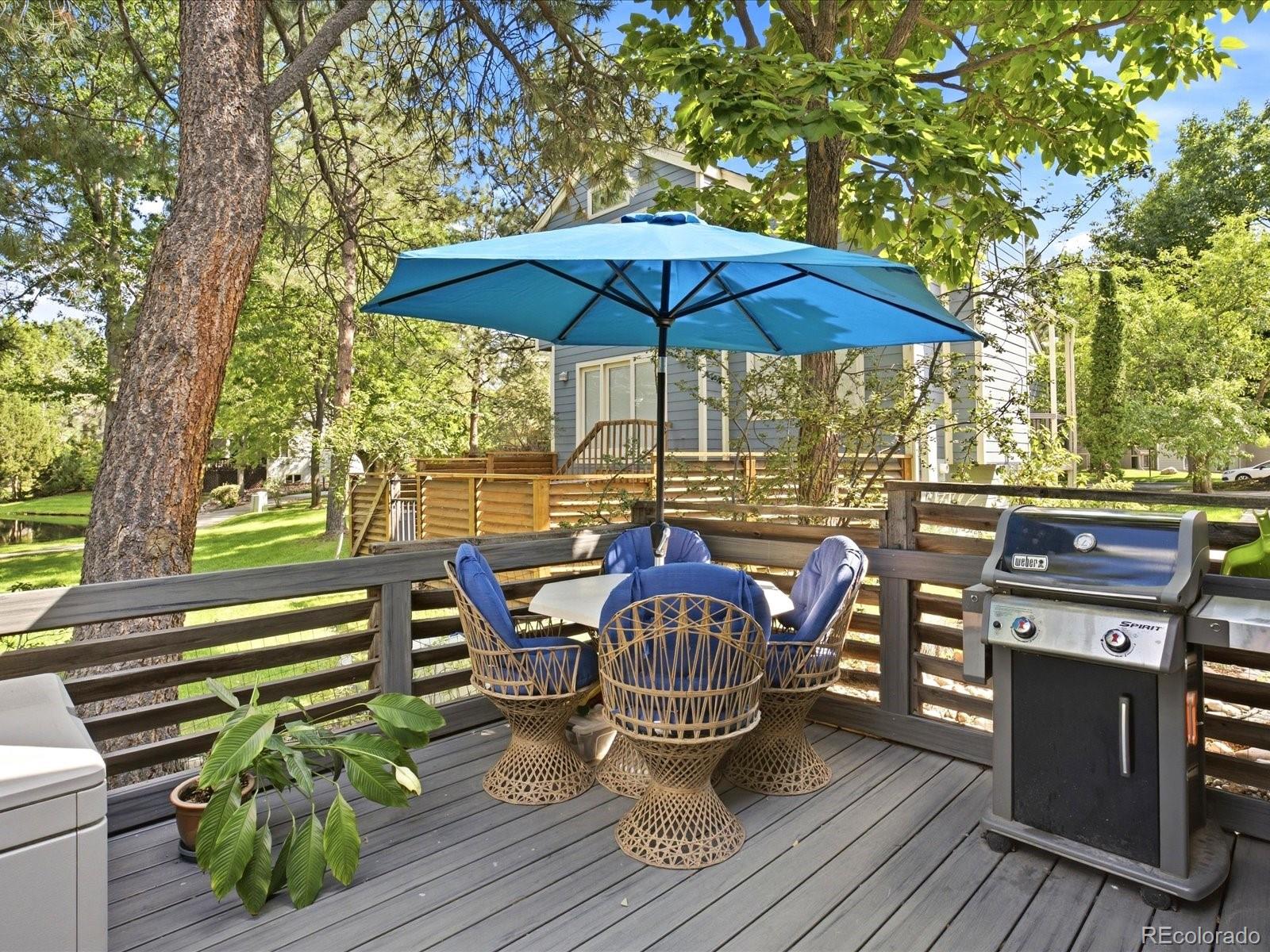
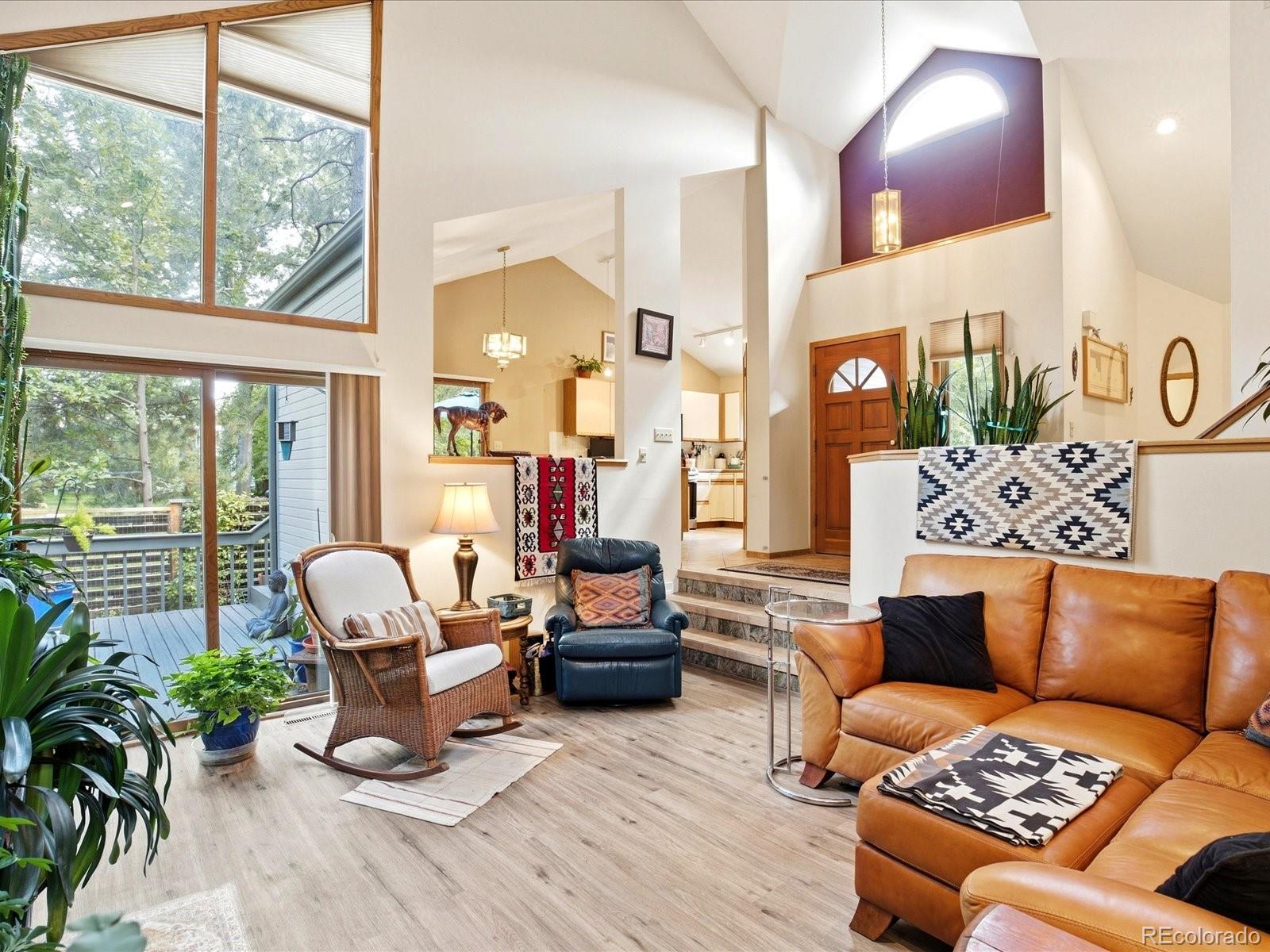


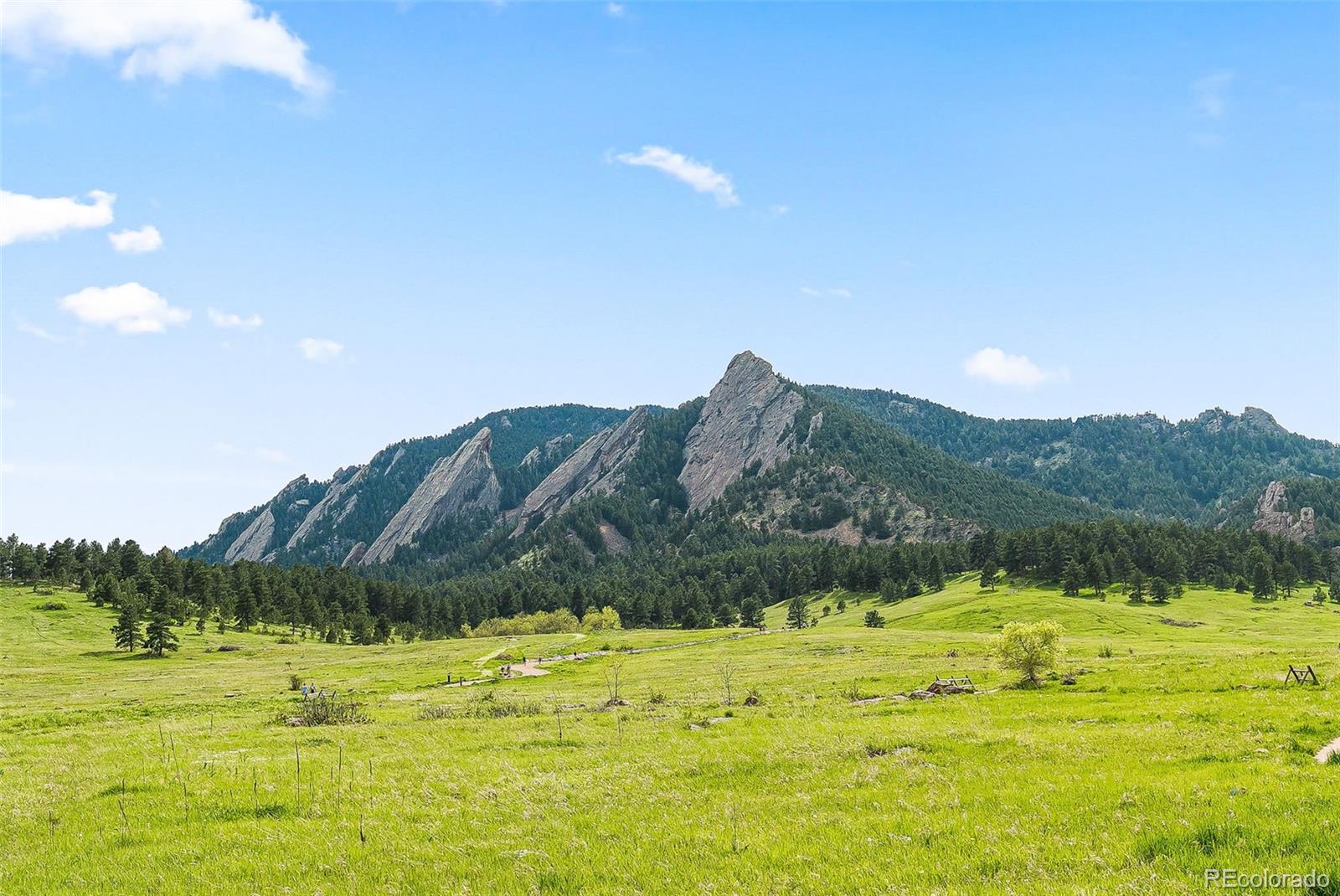
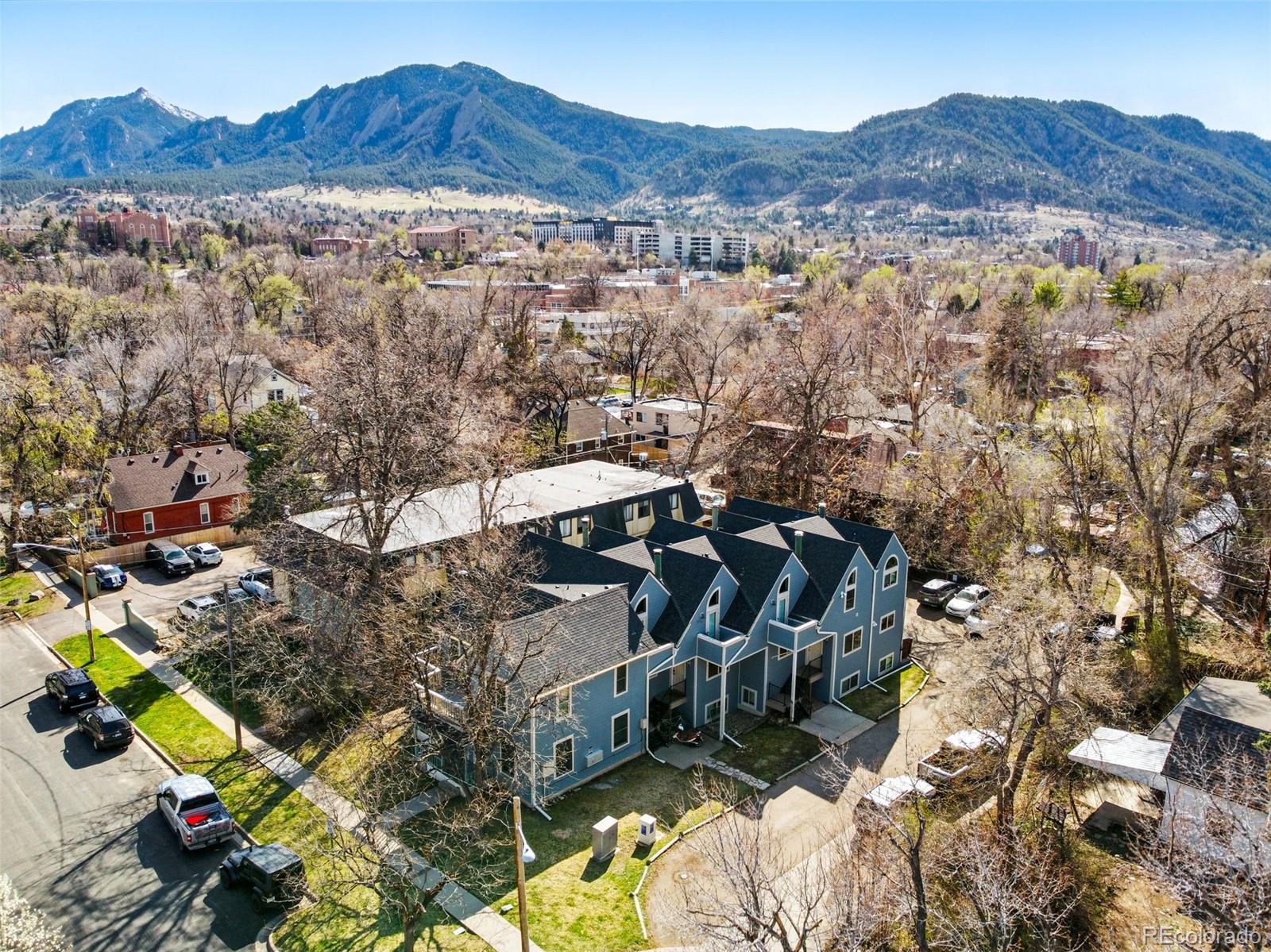
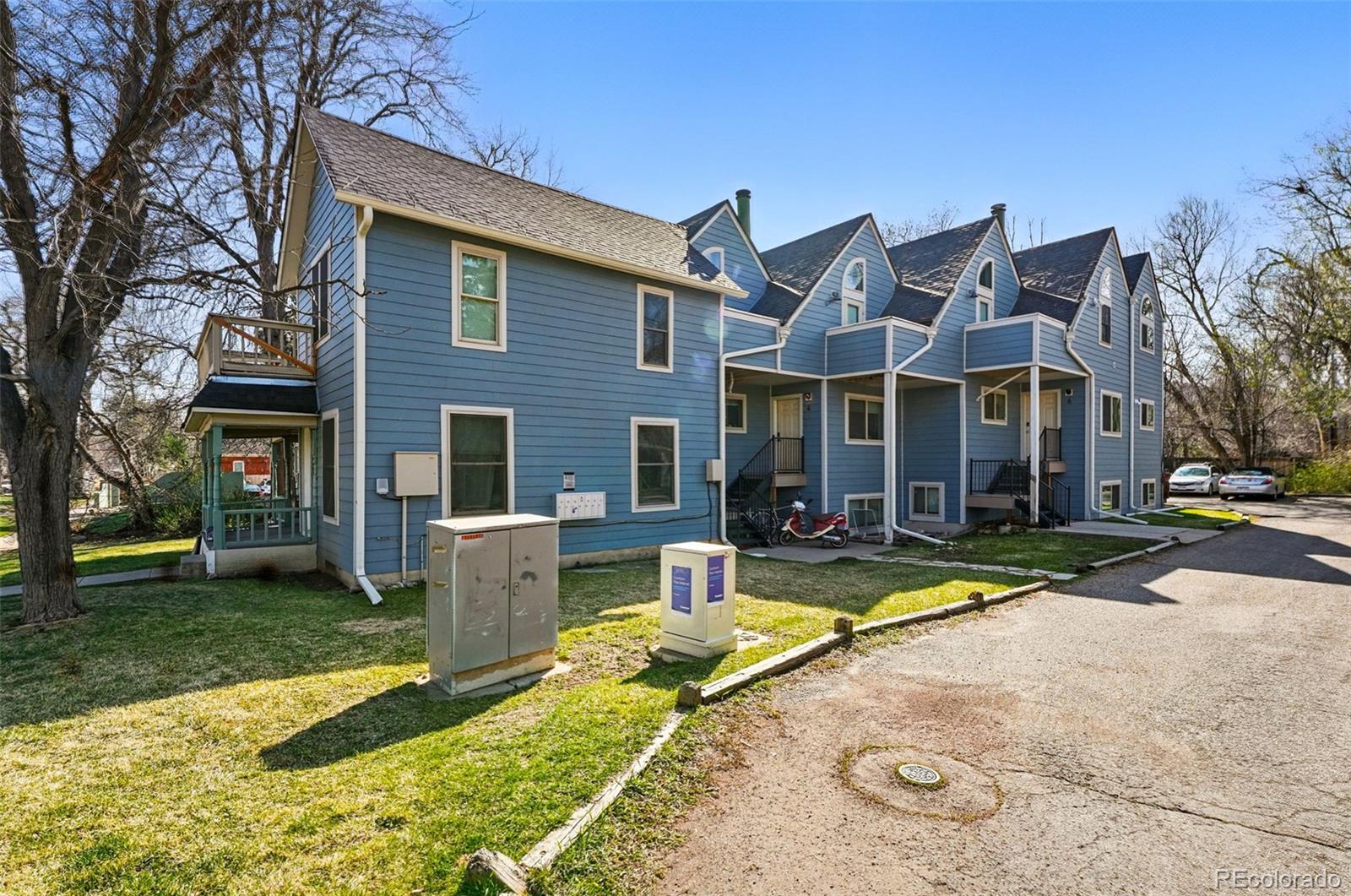


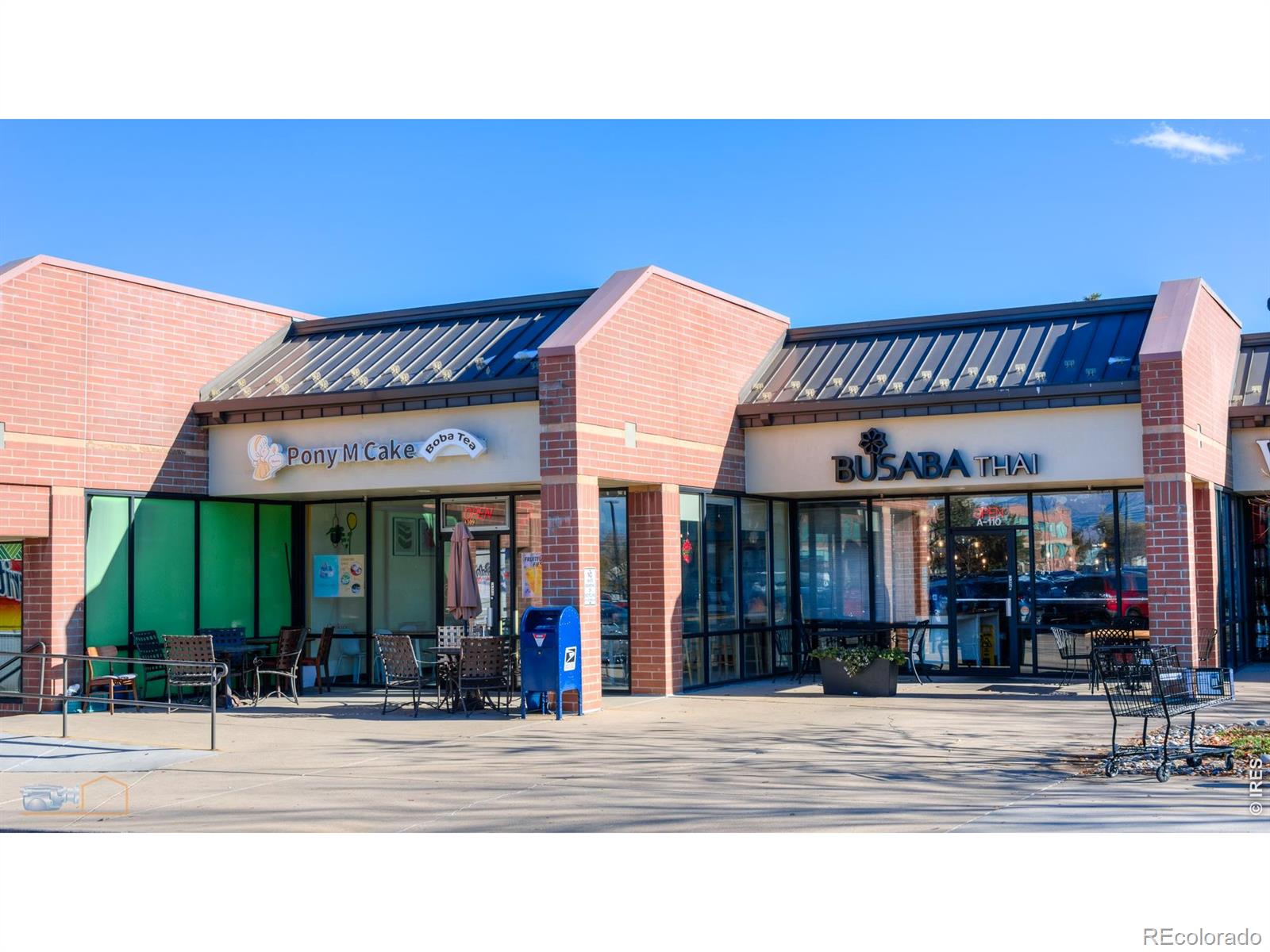
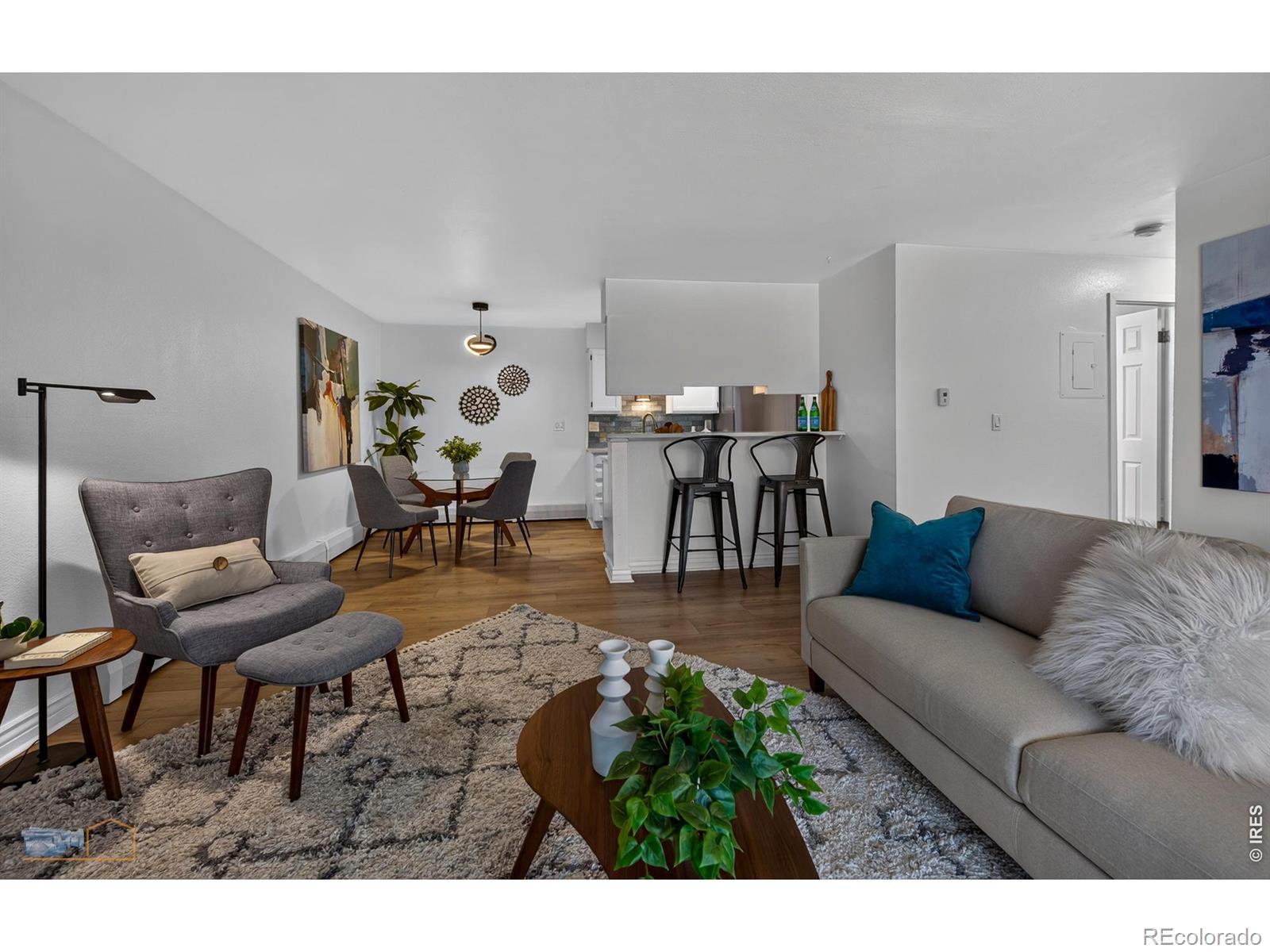


Boulder is a city of micro-pockets. A couple blocks can change your parking options, your quiet-at-night vibe, and how easy it feels to slip out for a quick loop at Wonderland or an evening walk near the Flatirons. Use the quick notes below to sanity-check fit fast, then click into the listings above with more confidence.
Close-in areas (especially around CU, the Hill, and some downtown-adjacent streets) can feel easy until you’re juggling guest parking or a second car. Boulder’s Neighborhood Parking Permit zones are a real lifestyle variable, so treat “where do we park” as an early question, not a closing-week surprise.
If you’re looking near University Hill or into Goss-Grove, your “quiet” depends on the exact street and the property next door. The city has tightened noise rules over time and CU also tracks chronic nuisance behavior off-campus, which is good news if you want a calmer weeknight routine, but it’s still worth verifying the block feel at the hours you actually live (late evening, early morning).
People who love living here usually pick a pocket that matches their main route: US-36 to Denver, the Diagonal (CO-119) toward Longmont, or the Foothills/Broadway/Baseline network for “staying in Boulder” life. If your week is built around one of those, shop homes with that route in mind and you’ll feel the difference every single day.
If “quick hike after work” is part of your Boulder plan, trailhead proximity can be a real quality-of-life upgrade. Chautauqua and Wonderland are two different experiences: Chautauqua runs on seasonal parking/shuttle logistics, while Wonderland Lake tends to feel like a consistent, repeatable loop for North Boulder routines.
In Boulder Valley, school questions don’t get answered by neighborhood name alone. If schools are part of your plan, run the address early using BVSD’s finder. It’s a simple move that prevents “we assumed” stress later.
Locals who buy here and stay happy tend to do the boring checks early: floodplain status, wildfire prep expectations if you’re foothills-adjacent, and HOA health if you’re in an attached home. It’s not scary; it’s just how you keep the homebuying part feeling clean and controlled.
This isn’t a “one Boulder market.” The home type you pick usually reflects the life you’re trying to build: walk-to-coffee mornings, a foothills trail loop that becomes your routine, or a commute that feels predictable. These snapshots are meant to help you self-sort fast while you browse the listings above.
In pockets like Mapleton Hill, Whittier, and parts of Goss-Grove, buyers are usually choosing a “walkable life” over easy parking and wide streets. The win is being able to do dinner, coffee, errands, and a quick downtown loop without thinking too hard about it. The trade-off is older-home due diligence and street-by-street parking reality.
Holiday and Dakota Ridge come up a lot for buyers who want a neighborhood feel with repeatable routines: a quick loop at Wonderland Lake, a climb on Lee Hill when the legs feel good, and a nearby market stop that doesn’t require a whole mission. North Boulder also has real micro-differences, so it’s worth shopping by blocks, not just by label.
Table Mesa and the South Boulder pockets tend to fit buyers who want the week to run smoothly: quick errands, a quieter evening feel, and easy access to Foothills/Broadway routes. People describe this part of Boulder in “this is where weekdays work” terms, not just weekend highlights.
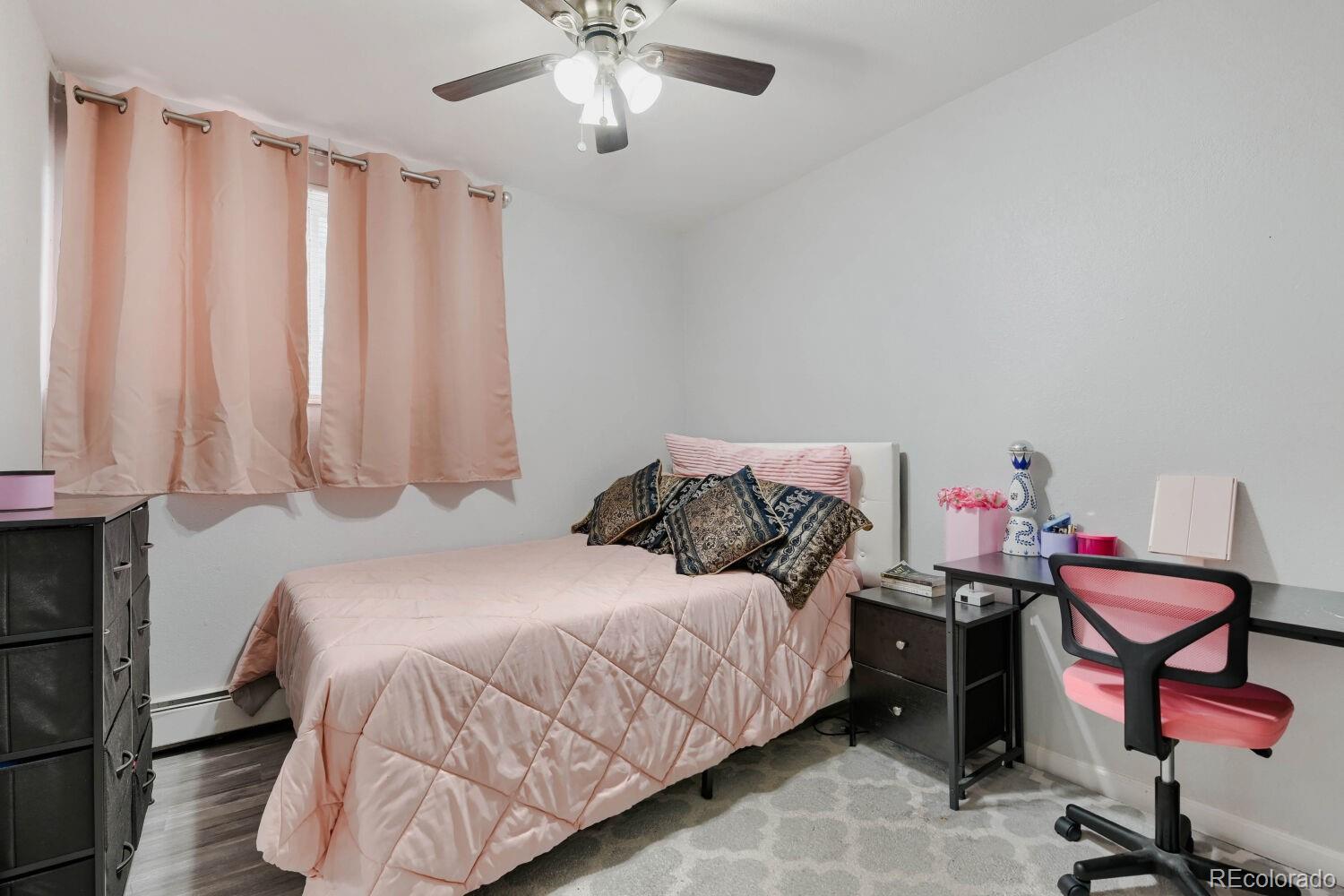
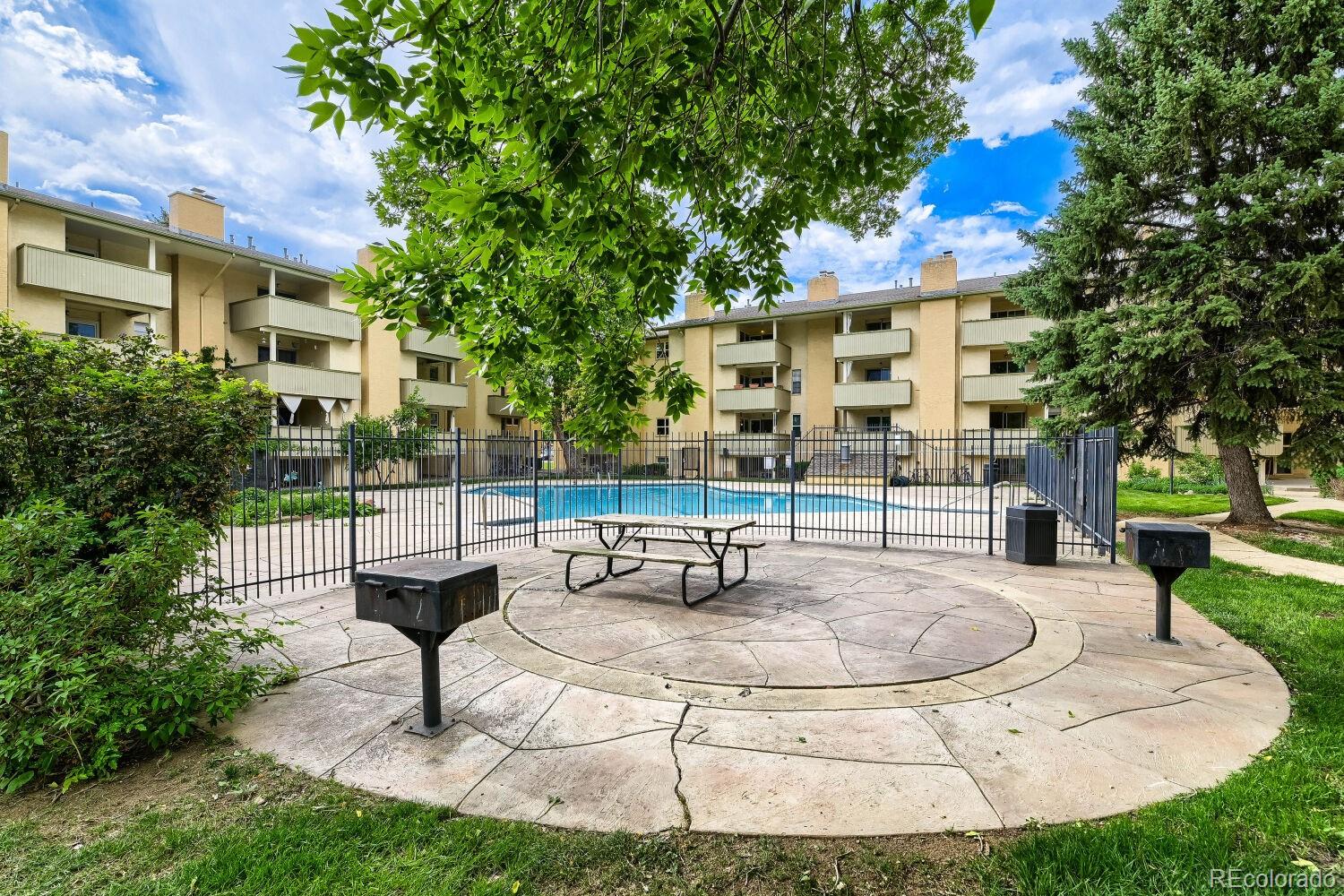
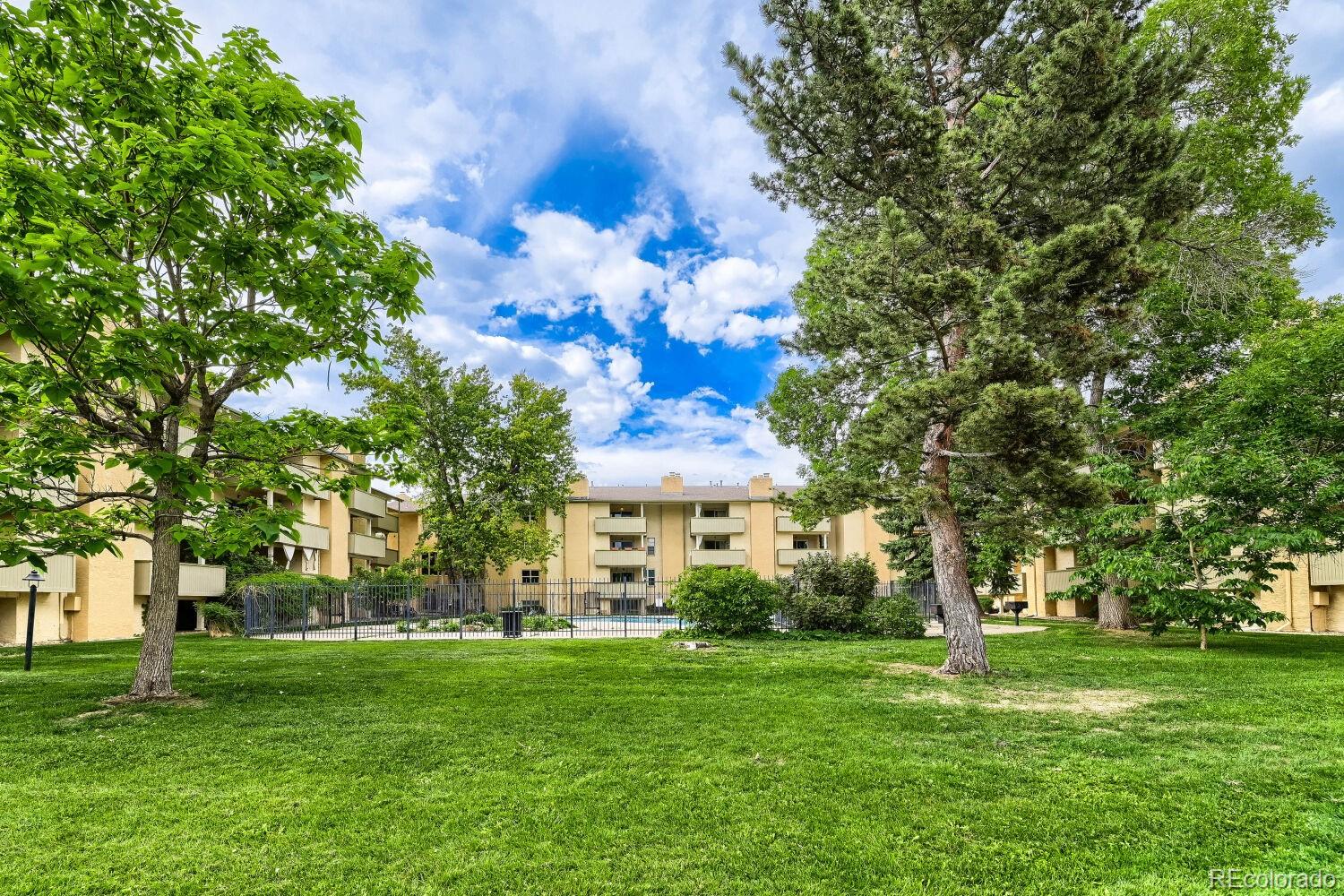
Attached homes often attract buyers who want Boulder access with fewer moving parts: lock-and-leave convenience, predictable maintenance, and a clean location play near downtown nodes or transit lines. The smart buyer move here is simple: read the HOA docs like you mean it—parking allocations, pet rules, and reserve strength matter more than staging.
Gunbarrel gets cross-shopped by buyers who want a Boulder address with a different pace and practical Diagonal access. It’s the kind of place where your week can look like morning routes that don’t fight downtown traffic, then a relaxed stop that feels like a neighborhood habit, not a destination outing.
Foothills-adjacent living can feel special fast: trail access is right there, and the views are the kind you don’t get tired of. The practical side is exposure—wind events, winter shade/ice in certain stretches, and a little more “plan ahead” thinking. If that trade feels fair to you, it can be a great fit.
Boulder home shopping gets a lot easier when you stop thinking “east vs west” and start thinking “what do my weekdays look like.” Where you buy decides whether you’re grabbing coffee off Pearl Street on foot, slipping up Broadway toward North Boulder for a quick walk, or keeping errands simple around Table Mesa and Baseline. The listings above are the inventory — this section is the guide that helps you click into the right homes with fewer second guesses.
A common theme you hear from Boulder residents is that a “Boulder neighborhood” can change feel in just a couple blocks. That’s not marketing talk — it shows up in parking rules, noise expectations near CU, and even practical things like winter shade and ice in foothills-edge streets. The good news is: once you match the pocket to your routine, Boulder can feel incredibly easy to live in.
In Boulder, most people end up happiest when they’re honest about one thing up front: do you want a “walk out the door and do life” setup, or do you want a “get on the route fast and keep the day predictable” setup. Both exist here — they just live in different places.
Look for pockets where errands and dinner are genuinely simple: downtown-adjacent streets near Pearl Street, plus close-in neighborhoods people regularly group together in conversation (you’ll hear Mapleton Hill, Whittier, and sometimes Goss-Grove mentioned in the same breath). These are the places where a quick coffee run doesn’t turn into a parking mission.
Match your home search to your main routes: US-36 if Denver is in your week, CO-119 (Diagonal) if Longmont is in your week, and Foothills Parkway/Broadway/Baseline if your world stays mostly in Boulder. Buyers who shop this way tend to feel “settled” faster because the day runs smoother from the start.
In Boulder, “walkable” isn’t just about being close to restaurants. It’s about whether you can do the repeat stuff — coffee, groceries, a quick bite, meeting a friend — without planning your whole evening around parking. That’s why people talk about downtown as a cluster of nearby neighborhoods, not a single dot on a map.
If walkability is your top trigger, use the listings above to filter down, then click into homes and sanity-check: where’s the nearest “everyday run” street, how tight is street parking, and does the block feel calm at the hours you live. In close-in pockets, the best signal is often the most boring one: how the street behaves on a regular weeknight.
North Boulder gets picked for routine-friendly living. You’ll hear people mention Holiday and Dakota Ridge when they’re talking about a neighborhood feel, with a couple dependable “default” habits: a walk at Wonderland Lake, a tougher effort up Lee Hill, and a quick market stop that doesn’t feel like a whole outing.
The VoC detail that matters here: North Boulder is still pocket-by-pocket. People who live here will tell you the difference between one set of blocks and the next is real. If you’re clicking into homes above in North Boulder, take two minutes to map your “usual week” — the exact stretch of Broadway or Iris you’ll drive, where you’ll park, and whether the street feels like a place you’d want to step outside after dinner.
South Boulder tends to fit buyers who want the week to feel smooth. Table Mesa, Baseline, and the nearby grid can make errands and school-day logistics feel straightforward, and you’re usually close to routes that help you move around Boulder without thinking too hard about it.
One of those “only someone who lives here says it” details: people talk about certain South Boulder intersections and stretches because they experience them every day — not because they read it somewhere. When you’re evaluating a home, it’s worth doing a quick drive at the time you’ll actually commute, then pairing that with a walk around the block. That’s how you find the pocket that feels calm in your real life.
If you’re shopping near University Hill or into Goss-Grove, the right way to think about it isn’t “good or bad.” It’s “what’s the street behavior.” These areas can be a great fit for the right buyer — especially if you want quick access to campus energy and downtown — but the block-to-block differences matter more here than almost anywhere else.
Boulder has strengthened its approach to noise over time, and CU also tracks chronic nuisance behavior off-campus. That’s part of the city’s effort to keep residential streets livable while still being a college town. For you as a buyer, the practical takeaway is simple: check the block at late-evening hours, confirm parking permit expectations, and treat “move-in / move-out season” as a real part of the calendar near campus.
City: noise ordinance update • CU: chronic nuisance info • City: Hill / Goss-Grove dumpster pilot
Boulder makes outdoor time feel normal — and that’s a big part of why people want to live here. The insider difference is how people actually use it. Chautauqua can be incredible, but it’s also tied to seasonal logistics (parking, shuttle timing). Wonderland Lake, on the other hand, comes up a lot because it’s the kind of walk you can repeat without planning your whole afternoon.
If trail time is part of your “this is why Boulder” story, shop listings above with the same honesty you’d use for a commute: how close is the access you’ll truly use on a Tuesday, and how often will you actually deal with seasonal crowding and parking.
The best homebuying experiences in Boulder tend to share one thing: buyers build certainty early. That doesn’t mean you assume the worst — it means you verify the few items that can affect your comfort and your costs, and then you move forward with a clear head.
If you’re anywhere near creeks, drainage paths, or foothills-edge streets, pull the official maps early. It’s a clean, practical step that helps you understand insurance questions and renovation plans without stress.
In close-in neighborhoods, the everyday win is simple: knowing your real parking situation before you commit. If a home is in or near an NPP zone, check it early so your routine stays easy — especially if you have guests or multiple vehicles.
If schools are part of your decision, don’t rely on neighborhood labels or assumptions. BVSD’s address-based finder gives you clarity early, which keeps the home search feeling confident instead of fuzzy.
If you’re browsing Boulder and thinking “close, but not quite,” you’re not alone. Around the Front Range, most people cross-shop for pretty practical reasons: how quickly your commute starts (US-36 vs the Diagonal), whether errands feel easy on a weeknight, and whether the neighborhood feels calm when you’re actually home. These nearby cities keep you in Boulder’s orbit—just with a different day-to-day texture.
Cross-shop Louisville when you want a smaller-city feel with Boulder still close enough to stay in the mix. It’s a common pick for homebuyers who like the idea of Boulder access, but want weeknights to feel calmer and errands to feel less like a production.
Lafayette is a classic cross-shop when you want a strong community feel and more “everyday life” breathing room—while keeping Boulder within a very realistic drive. If you’re prioritizing practical routines over being right next to Pearl Street, this is a smart comparison click.
Cross-shop Superior when you want quick access to the US-36 spine and a newer-neighborhood feel. It’s often a “clean logistics” choice—easy drive-time math back to Boulder, plus straightforward access if Denver is part of your week.
Longmont gets cross-shopped when homebuyers want more home options and a different “space-for-your-money” feel, while staying close enough to Boulder for workdays and weekends. If your routine includes the Diagonal (CO-119), this is the “make the route work for you” alternative.
Niwot is the “tucked-in and calm” cross-shop for people who still want Boulder close. It’s a good click when your priority is quieter evenings, quick access back toward Boulder or Longmont, and a daily pace that feels a little more settled.
Cross-shop Erie when you want more of a “newer neighborhood” setup and you’re okay being a bit farther from Boulder’s close-in core. Homebuyers usually click Erie when they’re balancing space, schools, and a week that includes both Boulder and the US-36 corridor.
Lyons is the cross-shop when you want to feel closer to the canyons and you’re drawn to a smaller-town setting. It’s a different kind of Boulder-adjacent life—more outdoor-first, with Boulder still close enough for workdays and errands.
Cross-shop Nederland when you want mountain-town energy and you’re comfortable building your routine around canyon drive-time and winter conditions. Homebuyers click Ned when the vibe matters most and the trade-offs feel worth it.
Broomfield is the cross-shop when the Denver commute is part of your life and you want to stay close to the US-36 spine. It keeps Boulder within an easy after-work radius, while opening up more neighborhood choices.
Pick one non-negotiable and let it drive the click: walk-to-daily-life (Boulder close-in), US-36 commute simplicity (Louisville/Superior/Broomfield), Diagonal routine (Longmont/Niwot), or mountain-adjacent vibe (Lyons/Nederland). When the choice matches your weekday reality, the search feels calmer—and you’ll know faster which listings are actually worth opening.
These are the questions people tend to ask after they’ve clicked into a few listings and started picturing day-to-day life. If you want, use these as a quick checklist while you compare neighborhoods like Whittier, Mapleton Hill, Table Mesa, Holiday, and Gunbarrel.
The best “everyday walkability” usually shows up in the close-in pockets where you can do repeat stuff—coffee, a quick grocery run, meeting a friend—without planning the whole evening around parking. That’s why you’ll often see buyers gravitate toward downtown-adjacent neighborhoods like Whittier and Mapleton Hill, and sometimes parts of Goss-Grove, then sanity-check the exact block for street parking and noise. A quick test: if you can walk to your likely coffee stop and one practical errand, the neighborhood tends to feel easy in real life.
Boulder uses Neighborhood Parking Permit (NPP) zones in certain areas (especially close-in and near CU), and it can affect street parking for residents and guests. The practical move is simple: treat “where do we park every day” as a first-week question, not a closing-week surprise. You can verify zones and permit details using the city’s NPP resources, then match that to how many cars you actually live with.
Near University Hill and parts of Goss-Grove, the right mindset is “block behavior,” not headlines. A few streets can feel totally different from the next. If you love the location, do two quick checks: (1) walk the block in the hours you actually live—late evening and early morning—and (2) confirm your parking reality, because guest parking and permit zones can be the deciding factor more than the floor plan. Boulder has also updated noise rules over time, and CU tracks chronic nuisance behavior off-campus, which supports a more livable weeknight environment.
Use BVSD’s address-based school finder early—before you get emotionally attached to a kitchen. In Boulder, school questions don’t get answered reliably by neighborhood names alone, and the cleanest way to reduce second-guessing is to run the exact address, then ask follow-up questions (open enrollment, program options, transportation) based on what comes back.
Think of this as “keep the process calm” due diligence. If a home is near a creek corridor, drainage path, or foothills-edge streets, pull the official floodplain maps early. If you’re near the wildland-urban interface, review the county’s wildfire prep guidance so you know what mitigation expectations can look like. It’s not about assuming problems—it’s about getting clarity before you commit.
In Boulder, commute satisfaction usually comes down to how quickly you can get onto your main route. If Denver is part of your week, US-36 drives your “first five minutes,” so pockets that access that spine cleanly tend to feel easier. If Longmont is in the mix, the Diagonal (CO-119) becomes the routine. And if you mostly stay in Boulder, you’ll feel the difference between living near Foothills Parkway versus relying on Broadway, Baseline, and Iris for your everyday moves. The best move is to pick two likely pockets, then do one real drive at the time you actually commute.
These are the questions people tend to ask after they’ve clicked into a few listings and started picturing day-to-day life. If you want, use these as a quick checklist while you compare neighborhoods like Whittier, Mapleton Hill, Table Mesa, Holiday, and Gunbarrel.
The best “everyday walkability” usually shows up in the close-in pockets where you can do repeat stuff—coffee, a quick grocery run, meeting a friend—without planning the whole evening around parking. That’s why you’ll often see buyers gravitate toward downtown-adjacent neighborhoods like Whittier and Mapleton Hill, and sometimes parts of Goss-Grove, then sanity-check the exact block for street parking and noise. A quick test: if you can walk to your likely coffee stop and one practical errand, the neighborhood tends to feel easy in real life.
Boulder uses Neighborhood Parking Permit (NPP) zones in certain areas (especially close-in and near CU), and it can affect street parking for residents and guests. The practical move is simple: treat “where do we park every day” as a first-week question, not a closing-week surprise. You can verify zones and permit details using the city’s NPP resources, then match that to how many cars you actually live with.
Near University Hill and parts of Goss-Grove, the right mindset is “block behavior,” not headlines. A few streets can feel totally different from the next. If you love the location, do two quick checks: (1) walk the block in the hours you actually live—late evening and early morning—and (2) confirm your parking reality, because guest parking and permit zones can be the deciding factor more than the floor plan. Boulder has also updated noise rules over time, and CU tracks chronic nuisance behavior off-campus, which supports a more livable weeknight environment.
Use BVSD’s address-based school finder early—before you get emotionally attached to a kitchen. In Boulder, school questions don’t get answered reliably by neighborhood names alone, and the cleanest way to reduce second-guessing is to run the exact address, then ask follow-up questions (open enrollment, program options, transportation) based on what comes back.
Think of this as “keep the process calm” due diligence. If a home is near a creek corridor, drainage path, or foothills-edge streets, pull the official floodplain maps early. If you’re near the wildland-urban interface, review the county’s wildfire prep guidance so you know what mitigation expectations can look like. It’s not about assuming problems—it’s about getting clarity before you commit.
In Boulder, commute satisfaction usually comes down to how quickly you can get onto your main route. If Denver is part of your week, US-36 drives your “first five minutes,” so pockets that access that spine cleanly tend to feel easier. If Longmont is in the mix, the Diagonal (CO-119) becomes the routine. And if you mostly stay in Boulder, you’ll feel the difference between living near Foothills Parkway versus relying on Broadway, Baseline, and Iris for your everyday moves. The best move is to pick two likely pockets, then do one real drive at the time you actually commute.