New - 9 Hours Ago




If you are trying to figure out where to live around Denver, it helps to approach the Denver real estate search by the place you need to reach most often, the home type you actually want to maintain, and the details that shape weekday life once you move in. Around here, that usually means sorting first by Downtown and Union Station access, Denver Tech Center (DTC) commute reality, Anschutz and Fitzsimons access, or DIA and Peña Boulevard access before you get too attached to a listing.
That sounds simple, but it is usually where the search starts getting clearer. Someone who needs to be near Belleview on a Tuesday morning is making a different real estate choice than someone who wants easy Union Station access, and both are making a different choice than someone with early shifts at Anschutz or regular airport runs toward DIA. Once that part is clear, the home-type decision gets easier too. A condo, a townhome, a detached house, and a newer-build each solve a different set of daily-life problems. The best fit is usually the one that still works on an ordinary weeknight, on a snow morning, and on the day you need groceries, parking, and a simple way home after work.
A lot of Denver-area home searches get muddy because people start with a general idea of what sounds nice instead of the route they will repeat most often. That usually works backward. If you already know the part of the metro you need to reach most often, use that first. It gives the whole search more structure.
For most homebuyers using this framework, the clearest work-hub buckets are Downtown and Union Station, DTC, Anschutz and Fitzsimons, or DIA and Peña Boulevard. Those are not the only destinations in the metro, but they are some of the clearest anchors because they pull daily life in different directions. They affect how much driving you do, whether transit is truly useful, how much parking matters, and what kind of home setup feels worth it long term.
If your routine pulls you into Downtown often, or if Union Station access would genuinely simplify your week, that usually points you toward a different kind of housing decision than a search built around southeast office parks or airport access. This path tends to make the most sense for homebuyers who know they will use rail, buses, walkable errands, or a more central setup on a regular basis instead of just liking the idea of it in theory.
This is where a condo or townhome often starts to fit naturally. The appeal is not just lower exterior work. It is the day-to-day convenience of being closer to where things are clustered. If grabbing groceries, getting to the station, walking to dinner, or keeping the car parked more often would actually improve your week, then central access can be worth the trade. That is why neighborhoods like Union Station, LoDo, Riverfront Park, and RiNo tend to show up in this part of the Denver real estate conversation.
Homebuyers who choose this path are usually trading yard space for easier Downtown and Union Station access, shorter trips into central Denver, and a routine that depends more on station access, walkable errands, and building convenience than on keeping a car in motion all week. A place in Ballpark or Lower Highland can make a lot of sense when your routine actually supports it. If you still expect to drive everywhere, need a lot of storage, or already know parking friction will wear on you, the advantage starts to narrow.
If this path sounds right, the next useful comparison is not every close-in neighborhood at once. It is whether you want a condo-first search in Union Station, LoDo, RiNo, or Riverfront Park, or whether you want a little more separation in places like Lower Highland while keeping Downtown and Union Station access in reach.
If your work life points toward DTC, start there and be honest about how often you need to be in that part of the metro. This is one of those Denver real estate decisions that looks manageable on a map and then feels different when office days become real, weather turns, or traffic starts eating up the part of the day you thought was still yours.
The homebuyers who tend to feel best about this decision are usually the ones who make peace with the weekday pattern early. They are not trying to be close to everything. They are trying to keep work access from running the whole week. Around Belleview, Orchard, and the southeast corridor in general, that often means choosing convenience over a broader idea that any part of the metro can work equally well.
This is also one of the clearest spots where a condo or townhome makes sense for a lot of people. If your priority is a cleaner weekday setup, lower exterior upkeep, and easier lock-and-leave living, that combination can fit the DTC buyer well. Areas like Virginia Village, Southmoor Park, Hampden South, and University Hills often make more sense in this lane than places that look appealing but add unnecessary cross-metro friction.
There is also a practical side to this that comes up often in local conversations. Not every DTC-access home search feels the same once you factor in Belleview or Orchard access, parking, and the errand pattern on the way home. Some homebuyers want the fastest office-day routine they can get. Others want enough neighborhood function nearby that convenience to work does not flatten the rest of the week. For some buyers, Cherry Creek can still fit here, but it only works when the added polish and centrality are worth the trade in daily routing.
If DTC is the anchor, the next question is usually whether you want condo or townhome convenience near the southeast corridor, or a single-family setup in a place like Virginia Village, Southmoor Park, or University Hills that still keeps the weekday drive reasonable.
If you work at Anschutz, are training there, or expect to be on or near campus often, this should be treated as its own housing path. “Somewhere in Aurora” is usually too broad to be useful. The real question is whether you want to be genuinely close to campus, close to a practical connection point like Peoria, or simply on the east side of the metro with a commute you can tolerate.
This is one of those work hubs where the difference between near and near enough can show up fast. Early shifts, long clinical days, campus parking, and transfer friction all change how a location feels. Homebuyers in this lane usually do better when they picture the actual route: leaving the house, getting parked or getting on transit, and doing that more than once a week without burning extra energy on the edges of the day.
Condo and townhome living often works well here for buyers who want simpler upkeep and a more predictable routine. Smaller detached homes can also be a strong fit, especially for people who want a little more control or privacy without taking on a large-house maintenance load. Neighborhoods like Hale, Mayfair, Montclair, Park Hill, and Central Park tend to show up for a reason in this part of the search.
If Anschutz or Fitzsimons is driving the search, the next step is usually comparing campus-near options in Hale, Mayfair, Montclair, Park Hill, and Central Park by route, parking, and home type instead of treating all east-metro options as interchangeable.
DIA access is its own category because airport-related living usually follows a different logic than central-city or office-corridor living. Some buyers are airport employees. Some travel often enough that a reliable airport routine matters. Some just want to stay connected to the A Line or keep airport runs from becoming a chore. Those are similar, but not identical.
The first useful question here is whether train access is part of your real life or just something that sounds good. If you know you would actually use the A Line, station access matters. If you are still going to drive most of the time, then Peña Boulevard traffic, road patterns, parking, and general ease of getting out and back become more important. A lot of the friction in this lane shows up in those details, not in straight-line distance.
This is also a lane where buyers often lean toward convenience-oriented housing choices. A low-maintenance townhome, condo, or newer home can make a lot of sense if your goal is to keep airport access simple and keep home upkeep from adding another layer of work. Detached homes still fit many buyers here, but the daily-life test is the same: does this place make your routine easier, or are you solving one problem while creating another? That is why places like Green Valley Ranch, Gateway, High Point, Denver Connection, and Avion tend to stand out in airport-access searches.
If DIA and Peña Boulevard commute reality matters most, the next sort is whether you want A Line-oriented living, simpler airport-driving access, or a newer low-maintenance setup in places like Green Valley Ranch, Gateway, High Point, or Denver Connection.
Once the work-hub question is clearer, the home-type question gets easier. That is usually where Denver-area real estate options start to separate into choices that fit your routine and choices that only look good in a broad search. Around Denver, the home itself is not just a style choice. It is also a maintenance choice, a monthly-cost choice, and sometimes a rules choice.
For a lot of homebuyers, especially people who are busy, travel often, are downsizing, or just do not want the outside of the house to become a second job, condos and townhomes have a very real appeal. They can simplify things. That is why they often fit well near Downtown, Union Station, DTC, and some airport-access paths.
The buyers who tend to do well in this category are usually the ones who are clear about what they want off their plate and what they still want control over. If you want a simpler week, easier travel, less weather-related exterior work, and fewer house systems to manage personally, this can be a strong fit. If you are already irritated by shared-wall questions, parking limits, or approval rules, it is better to know that early.
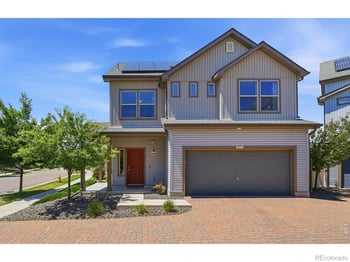
The appeal is easy to understand. A detached home often gives you more privacy, more storage, more flexibility, and a different day-to-day feel than a shared-wall setup. That matters whether you are looking at an older house in Park Hill or Montclair, a mid-century pocket farther south, or a newer detached option on the edge of the airport corridor.
This option tends to fit homebuyers who feel better having more control over the house, even if that means more upkeep. It can also fit people who know they will use the extra room, want a different kind of privacy, or simply do not want building governance to shape the way they live. The right detached home can feel very steady. The wrong one can feel like more project than you wanted. That is why the maintenance side matters just as much as the layout.
Newer homes appeal to buyers for good reasons. They often feel cleaner, simpler, and easier to picture yourself in right away. For people moving on a tighter timeline, balancing a demanding work routine, or just wanting fewer immediate house projects, that can be a strong draw.
That comes up often in airport-corridor and outer-neighborhood real estate searches where newer inventory is part of the draw, but the tax structure, HOA setup, and included features still need to be understood as part of the real cost of ownership. This path tends to work well for buyers who want newer finishes, fewer immediate repair projects, and a more turnkey setup during the first few years of ownership. It works less well for buyers who assume new automatically means simple.
For some homebuyers, especially rightsizers, downsizers, or anyone thinking a few years ahead, the real search is not just about location or square footage. It is about ease. Main-floor living, fewer stairs, easier parking, simpler entrances, and less exterior upkeep can become the features that matter most, even when they are not the first things someone says out loud.
This is usually the first real filter, even when buyers do not start there. Think about the trips you need to make on ordinary weekdays, not the version of life you picture on a relaxed Saturday. Work, school, groceries, airport runs, and the route home at the end of a long day usually tell you more than a broad map ever will.
In Denver, a place that looks central can still feel inconvenient if it does not actually serve the pattern you repeat most. The question is not whether you can technically get there. The question is whether the route feels reasonable often enough that you do not start resenting it after move-in.
Buyers often focus on the mortgage first, which is natural, but the monthly feel of a home is broader than that. HOA dues, parking costs, property taxes, insurance differences, maintenance cadence, and sometimes metro or special district layers all affect how comfortable the payment feels in real life. This matters because some homes feel manageable in the search and more crowded in the budget once everything is sitting in one place.
You do not need to turn this into a spreadsheet exercise right away, but it helps to be realistic about the full monthly shape of the home. The place that feels easiest to own is often the one where the full stack makes sense for the life you are actually trying to build.
This is where a lot of uncertainty clears up. Some homebuyers feel relieved when the HOA handles major exterior work, shared systems, or grounds upkeep. Others feel boxed in by approval rules, parking restrictions, or not knowing where responsibility starts and stops. Both reactions are valid. What matters is knowing which one sounds more like your kind of ownership setup.
Detached homes push more maintenance decisions back to the owner. Condos and townhomes often reduce some of that work but replace it with shared governance and a different kind of oversight. Newer planned communities can add another layer through taxes, rules, or neighborhood structure. Once you are honest about which version of responsibility you prefer, the search gets much easier.
For many homebuyers, the next sort after commute and home type is school logistics or block comfort. In Denver proper, that usually means checking how DPS SchoolChoice works, whether the school route fits the same weekday pattern you are already protecting, and whether the block feels right to you at the times you would actually be there. This article is not trying to rank schools or label areas. It is trying to help you narrow the search in a way that matches daily life.
For some homebuyers, this is also the point where long-term fit starts mattering more than the first showing. That can include school options, how comfortable the block feels at the times you would actually be there, and whether the part of Denver you are choosing has the kind of steady demand and everyday usefulness that tends to support resale later. The goal is not to predict the market. It is to make sure the home still makes sense beyond move-in day.
You do not need to turn every showing into a full inspection event, but it helps to check a few practical things before a place starts feeling like the answer. For condos and townhomes, that usually means looking at the HOA budget, reserve health, recent projects, meeting minutes, parking rules, pet rules, rental caps, and the insurance split early enough to understand what kind of ownership setup you are walking into.
For detached homes, pay attention to the things that shape daily ownership more than listing photos do. Roof age, drainage, grading, yard and snow responsibility, radon planning, and the general condition of the systems around the house all matter. For newer homes and planned communities, read the tax and governance side closely enough to understand what you are paying for and how the neighborhood is structured.
This does not have to make the search feel heavy. It usually does the opposite. A few grounded checks can make the whole process feel calmer because you are comparing homes by the way they will actually live, not just by the way they photograph.
If you need Downtown or Union Station access and know you would really use walkability and transit, start with condo and townhome options in the central-city neighborhoods that support that routine. If you need DTC access and want the week to feel more manageable, favor locations and home types that keep the office pattern from taking over. If Anschutz is the anchor, focus on true campus practicality before broad east-metro searches. If airport access matters, decide early whether the train, the car, or both are part of your real routine.
Then narrow by the kind of ownership you want. If you want fewer exterior chores and a more managed setup, keep condos and townhomes high on the list. If you want more privacy and control, detached homes will probably keep pulling you back for a reason. If you want a newer, more turnkey feel, keep that filter active but read the neighborhood structure carefully. In most cases, the better path is the one that makes your ordinary week feel easier, not the one that only sounds good in a broad search.
Once you know which path sounds most like your life, the next step is to move into the Denver real estate pages that match that pattern. The point is to keep the search organized around real fit instead of starting over with a long list of mixed signals.
If the hub is already clear, the better next click may be a property-type search instead: condos and townhomes for lower exterior work, single-family homes for more control, main-floor living for easier day-to-day use, or newer homes if turnkey appeal matters more than older-home character.