


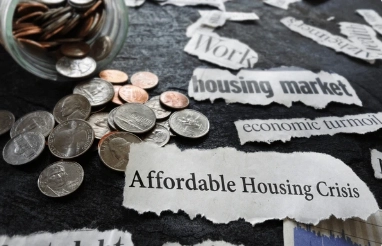
Housing Affordability Crisis: Current Landscapes and Future Predictions
2024 has proved to be a challenging year for homebuyers across the United States. High mortgage rates, increasing home prices, and the lingering impacts of inflation are creating a "perfect storm" that has made the dream of homeownership more elusive for many. According to analysts, housing affordability is now at its lowest level in over four decades. However, there are possible solutions and long-term outlooks that could help ease this crisis gradually.
Factors Contributing to the Decline in Housing Affordability
1. High Mortgage Rates
Driven by the Federal Reserve's attempts to lower inflation, mortgage rates are now at their highest in more than two decades. The current average 30-year fixed mortgage rate is hanging close to 7-8%, up from historically low rates of about 3% just a few years ago.
2. Rising Home Prices
Over the previous ten years, house prices have grown faster than pay rise. Rising prices in many markets, particularly in metropolitan locations, present obstacles to entrance for first-time homeowners. Income and housing price increases are not in line, resulting in an increasing difference between what individuals can buy and what is on the market.
3. Inflation and Economic Pressures
Though it has partially slowed, inflation nevertheless affects household finances all around. Grocery, energy, transportation, and other basic living expenditures are higher than in past years, which lowers the disposable income people have left for housing prices.
Potential Pathways to Improved Affordability
1. Gradual Reduction in Mortgage Rates
Predictions say that with inflation under control, the Federal Reserve may start decreasing interest rates. Reduced rates would lower borrowing costs, therefore enabling purchasers to afford mortgage payments.
2. Slower Home Price Growth
Though at a slower rate, predictors also forecast home values to keep increasing. A less aggressive price rise might enable wage growth to catch up, gradually improving the general affordability scenario.
3. Wage Growth Outpacing Inflation
One positive trend has been that pay increase has now started to exceed inflation. Households will have more funds for housing expenses as pay grow.
Strategies for Prospective Homebuyers
1. Take Advantage of First-Time Buyer Programs
First-time buyers might find financial aid offered by several federal and state initiatives, including smaller down payments, cheaper loan rates, and grants.
2. Consider Less Competitive Markets
More people are looking at suburban or rural areas where house costs are lower since remote employment is still somewhat common.
3. Look for Homes That Need Renovation
Properties needing repairs or renovations generally have lower asking prices and less attraction for buyers.
4. Compare Mortgage Options Carefully
Various lenders provide different mortgage programs even in a high-rate climate. To identify the best possible rate and terms, people should search about and evaluate offers from many lenders.
5. Consider Adjustable-Rate Mortgages (ARMs)
Although fixed-rate mortgages give stability, an adjustable-rate mortgage (ARM) might have a lower starting rate, making first monthly payments more reasonable.
The Road Ahead for Housing Affordability
Many analysts estimate that by the end of the decade, affordability might revert to more reasonable levels. For individuals who are ready to buy right now, using the resources at hand and remaining educated can help navigate this demanding market.
About to buy a new house or make investments in one? Our staff at Accession Real Estate is here to help you negotiate the complexity of the real estate market of today.