

.png)
Centennial + DTC Commute Reality: What Changes About Your Weekday and Where It Usually Gets Easier
If you work in or near the Denver Tech Center, the main question usually is not whether Centennial is “close.” On a map, a lot of places are close to DTC. What matters more is how your weekday actually feels once work, grocery runs, school pickup, train parking, dinner plans, and the drive home all start stacking on top of each other. That is where a Centennial home search can line up well for some homebuyers and feel more complicated than expected for others.
For buyers comparing South Metro real estate, the useful way to think about this area is simple: not all DTC access works the same. Belleview, Orchard, Arapahoe, and Dry Creek each connect to different station setups, office clusters, and drive patterns on a real workday, and west-central Centennial does not feel the same as the east side near I-25.
Most homebuyers are really trying to answer two follow-up questions: which part of Centennial makes the workweek easier, and what should I test before I trust the drive on paper. That is where the real difference shows up.
What the DTC commute usually means in this part of South Metro
Locally, people do not really experience DTC as one single place. They experience it through a handful of repeat-use spots: Belleview, Orchard, Arapahoe, Dry Creek, and the office clusters around Greenwood Plaza, Quebec, Yosemite, and the streets that feed in and out of I-25. That matters because a home that looks “ten minutes from DTC” can still turn into a daily hassle if the part that slows you down is the last stretch off the freeway or the surface-street handoff once you get there.
That is also why Centennial stays in the conversation for so many homebuyers who work here. It gives you a chance to keep DTC access without necessarily living in the middle of the office-park feel. You can build a week where work is still convenient, but groceries, parks, dinner, and the trip home do not all depend on being right in the same cluster of towers and parking structures.
Where the weekday usually gets easier for DTC access
West and central Centennial near SouthGlenn
This part tends to fit homebuyers who want their weekday to feel more residential and less like they never quite leave the work zone. SouthGlenn gives you a real errand base, not just a place to pass through. Whole Foods, restaurants, quick service stops, and everyday shopping are already built into the area, so it is easier to do one ordinary thing on the way home without turning it into another drive.
If your goal is to keep work convenient without feeling like every evening still belongs to DTC, this is usually the first part of Centennial to test in person.
East Centennial and the Dry Creek side
This part usually works better for homebuyers who care a lot about direct I-25 access, rail options, and newer mixed-use growth nearby. Dry Creek is more than just an exit. The station, IKEA, The District-Centennial, and the nearby office and apartment clusters make it one of the clearest examples of a place where commute planning and day-to-day convenience overlap.
If your routine depends on direct corridor access, station options, and a cleaner shot into the southeast office cluster, this side usually makes more sense than buyers expect.
Closer to Belleview or Orchard
If your office is actually near Belleview or Orchard, living so you can reach those nodes cleanly can change how your week feels more than shaving a few abstract miles off your search radius. This is especially true for people who want the option to meet someone after work, stop for dinner, or use rail without making the station itself another hassle point.
This setup usually fits the buyer who wants less guesswork between office parking, dinner plans, and getting home at a normal hour.
The roads and stations most Centennial homebuyers usually end up using
I-25 is the obvious spine, but it is not the whole story. The part that tends to decide whether your weekday feels manageable is what happens around the edges of the freeway. Belleview Avenue, Orchard Road, Arapahoe Road, Dry Creek Road, Quebec Street, Yosemite Street, and County Line all show up quickly once you start doing the actual drive instead of just looking at an MLS map.
That is one reason rail can be useful here, but only if you are realistic about how you will use it. Belleview Station, Orchard Station, Arapahoe at Village Center Station, and Dry Creek Station are not interchangeable. Some are easier for a true park-and-ride routine. Some make more sense only if your office is close enough that the last walk is easy and obvious. A lot of buyers say they will “just take the train,” then realize later that their home side, office side, or parking setup never made that routine feel simple enough to stick.
For most buyers, the better question is not “Is there a station nearby?” It is “Would I actually build my weekday around this station three or four times a week?” If the answer is no, rail should be treated as a backup convenience, not a core reason to choose the home.
In plain language, the best move is to decide which station you would actually use before you buy, not after. If the answer changes depending on the day, that usually tells you something important about whether the plan is sturdy enough for a normal workweek.
Where weekday errands stay simple and where they stay car-dependent
This is where Centennial often has an edge for the buyer who wants predictability. In west and central Centennial, SouthGlenn helps keep ordinary life compact. You can handle groceries, coffee, dinner, and a few basic errands without feeling like every stop is another separate trip. That sounds small until you picture a Tuesday when work ran long and you still need to get home with one or two things done.
Most of this area is still car-led in real life. The difference is whether your errands stack cleanly on the way home or keep turning into separate trips. That distinction matters more here than broad labels like walkable or not walkable.
On the DTC side, Belleview Station is one of the clearer after-work mixed-use spots. It does not remove the need to drive in most cases, but it can make dinner, a quick stop, or one extra errand feel much easier than a setup where every evening goes straight from office parking to freeway to home. That can matter more than people expect, especially if they are trying to avoid a setup where every evening is office to freeway to house, with nothing in between that feels easy.
Farther south, Park Meadows and the County Line area often become the practical stop for bigger errands, especially for households whose week already bends south. On the east side, the Dry Creek and IKEA area fills a similar role in a different way. It tends to work less as a place to linger and more as a place that keeps a worknight moving.
When light rail or FlexRide actually helps a DTC weekday
Rail tends to help most when both ends of the trip are truly workable. If you can get to your station without adding stress, park without a guessing game, and walk from the destination station to work without a long awkward last stretch, it can take some pressure off the week. If one of those pieces falls apart, the train often becomes more of a backup plan than a real habit.
That is why Arapahoe at Village Center and Dry Creek get a lot of attention from practical commuters. They are easier to build a repeat routine around than smaller stations where parking is tighter or the surrounding setup is less forgiving. The updated DTC FlexRide service also helps on the southeast corridor side because it makes some of those between-station, office-park connections less rigid than they used to be.
In practical terms, Arapahoe at Village Center and Dry Creek are often the first stations to evaluate if you want a repeatable commute routine. Belleview and Orchard can still work well, but they usually depend more on where your office lands and how easy the last stretch feels once you get off the train.
Still, the right mindset here is not “transit solves it.” The right mindset is “transit may solve a specific part of the week if my address, station, and office location line up cleanly.” That is a very different decision, and it is the one that usually saves people from disappointment.
After-work reality near DTC: dinner, events, and getting home
One thing that does not show up in a standard home search is how the area feels after 5:00. Around DTC, that changes more than some homebuyers expect. On certain nights, Fiddler’s Green can shift traffic and parking patterns enough that the route home or the feel of the area is different from an ordinary weekday. If your office or likely route home is close to Arapahoe at Village Center, it is worth testing at least once when an event is happening so you know whether it changes anything that matters to you.
That same part of South Metro gives DTC-connected homebuyers a few practical after-work options. Fiddler’s Green, Belleview Station, Topgolf Centennial, and nearby recreation stops make it easier to add one more useful or enjoyable stop before heading home. That matters because this part of the market works best when the workday feels manageable, not when everything still revolves around the office.
If you care about whether an area still feels usable after 5:30, test the blocks around your likely route home, not just the office address itself. Some parts of the DTC grid clear out fast, while others still function well for dinner, events, or one last stop before heading back to Centennial.
Centennial vs nearby South Metro options for a DTC workweek
If Centennial feels close but not quite right for the way your week is structured, the next comparison is usually not just about commute time. It is also about the kind of neighborhood setting, school access, home style, and long-term fit you want from a South Metro real estate decision.
Centennial
Usually the best fit for homebuyers who want Centennial homes for sale with DTC access but also want a more settled residential feel, stronger errand structure, and a little more separation between work and home. SouthGlenn, neighborhood parks, and the wider spread of daily-life conveniences help with that.
Greenwood Village
Usually the better fit if your highest priority is cutting office friction and staying closer to the heart of the workweek. This can work well for buyers comparing Greenwood Village homes with nearby DTC-connected real estate and wanting to simplify the commute first and sort the rest around that.
Littleton
Littleton homes for sale are often worth a look for buyers who want an established suburban feel and still need South Metro access. The trade-off is that the DTC workday can become more route-sensitive depending on which side of Littleton you land on and what time your week starts.
Englewood
For some buyers, the right comparison is not Centennial versus the whole metro. It is Centennial versus Englewood real estate or even a more direct Denver Tech Center home search. That usually comes down to whether you want more of your life wrapped tightly around the work hub or a little more separation once the workday is over.
DTC commute reality checklist before you buy
If this article does one useful thing, it should save you from buying off a map instead of buying off a real routine. Before you buy, test the week you actually plan to live.
Some of these checks belong to a showing, and some belong to due diligence after you are under contract. The key is not waiting until after closing to discover that the route, station, or after-work pattern never really worked the way you pictured it.
- Drive the route at the time you would really leave for work, not at 1:30 in the afternoon.
- Drive home at your actual quit time, especially if that puts you on I-25, Arapahoe, Belleview, Orchard, or Dry Creek when everyone else is also trying to leave.
- Test the exact office approach, not just the freeway run. The last few turns often decide whether the commute feels fine or draining.
- Do one ordinary errand on the way home: groceries, dinner pickup, daycare handoff, gym, or a stop at the station you think you will use.
- If rail is part of the plan, test the exact station, parking setup, and walk on both ends. Do not assume all southeast corridor stations work the same way.
- Try your backup route. A commute that works only when everything goes right is not a very strong plan.
- If you are looking east of I-25 or closer to Centennial Airport, verify aircraft noise by address with the Centennial Airport noise portal.
- If your likely route runs near Fiddler’s Green or heavy event traffic, test one evening when something is happening there.
- Do one dark-evening drive-through as well. Lighting, foot traffic, parking patterns, and the general feel of the area can read differently after work than they do on a sunny Saturday.
- Once the drive pattern feels right, check whether the surrounding neighborhood fit also works for your household, including school options, evening comfort, and the kind of long-term value you want from the location.
- Check current traffic operations and corridor work through the City of Centennial transportation and traffic management pages if a route decision is going to matter to your week.
Who this kind of home search usually fits and who may want a different South Metro setup
This setup usually fits homebuyers who want predictable access to DTC without building their whole life around the office district. It tends to work for people who care about time, routine, and keeping errands straightforward. It also makes sense for the buyer who wants choices: drive when driving is easiest, use rail when rail actually works, and keep enough everyday convenience nearby that weeknights stay manageable.
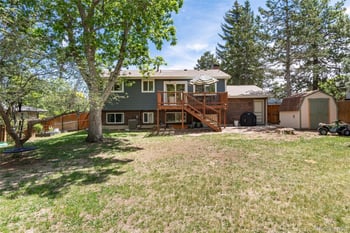
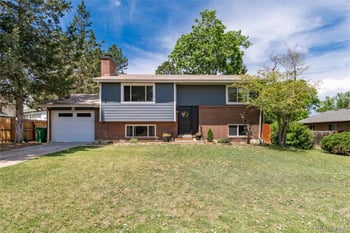
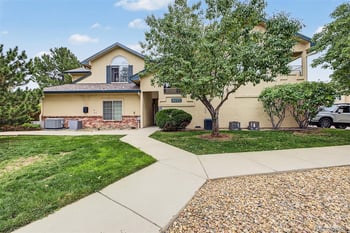
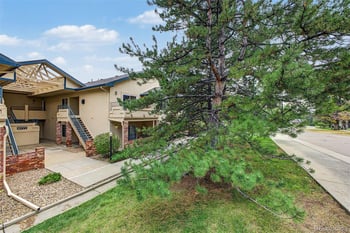
For some homebuyers, the next decision is not just where to live but what kind of home supports this pattern best. A lower-maintenance townhome, condo, or smaller single-family home can make more sense here than a longer-commute setup that adds yard work, snow management, and more weekend upkeep on top of the workweek.
It is probably less ideal if your real goal is everyday urban walkability, or if you are hoping “close to DTC” automatically means low-friction living no matter which side of Centennial or which station area you choose. Around here, small geographic differences change the week more than a broad search label does. That is the part worth getting right.
What to take from Centennial and DTC before you buy
The real advantage of Centennial for a DTC worker is not just proximity. It is the chance to build a week that feels more balanced. For a lot of homebuyers, that means living where work is still reachable, but groceries, school runs, dinner, a quick park stop, and the trip home do not all feel like separate problems to solve.
If you keep the search focused on the roads you would actually drive, the station you would actually use, and the errands you would actually stack into a normal Tuesday, Centennial becomes much easier to read. That is usually when the right part of Centennial for a DTC-based weekday starts to stand out more clearly. From there, the next smart step is to compare that area against one nearby South Metro alternative and test both at the hour you would really use them.