New - 30 Mins Ago



.png)
In Denver-metro real estate, buyer regret usually starts with something small that did not seem important during the showing. It is often the driveway that stays icy longer than expected, the downspout that sends water where it should not, the garage that technically exists but does not work well for your car, or the HOA packet that looked fine until you got into the minutes. In this market, those details matter because ownership can feel different from the showing as soon as snow, runoff, parking limits, roof questions, or HOA rules become part of daily life.
This guide is built in two phases so it stays useful. First, there are the fast checks to make while you are at the showing. Then there are the follow-up checks to make before you remove contingencies. The goal is not to turn you into an inspector. The goal is to help you notice the Denver-metro real estate issues that deserve a second look, then move into the right next step on HOA documents, roof and insurance questions, water-risk follow-up, and payment reality before you are locked in.
This article stays focused on property-level due diligence in Denver metro real estate, not neighborhood fit, school choice, or commute strategy, which are separate parts of the home search. Those things matter too, but this piece is about the house, the lot, the building, and the ownership details that can change how the property feels after closing.
Denver-metro homes often reveal different ownership demands than the listing photos suggest. Snow does not hit every driveway the same. Older neighborhoods can come with alley access, tighter garages, more street-parking dependence, and basements with a longer history than the remodeled finishes upstairs suggest. Hail changes the roof and insurance conversation. Condos and townhomes can solve one maintenance problem while adding a different layer of HOA rules, reserves, parking limits, and deductible exposure. If you are buying for easier living, steadier monthly costs, or a home that still works well a few years from now, the quiet details deserve more attention than they usually get.
These are the fast reality checks. You are not trying to prove anything on the spot. You are trying to notice what deserves a closer look before you get attached and run short on room to negotiate.
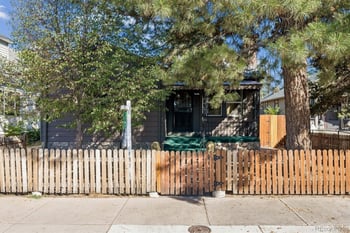
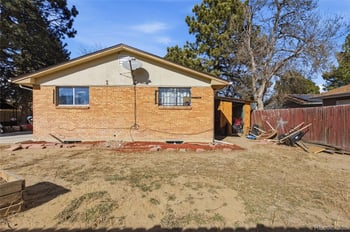
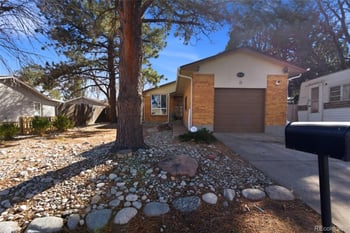
Start outside before the showing pace picks up. Look at the grading around the house, the downspouts, the splash blocks, and any low spots near the foundation. If the yard falls toward the house, if one corner looks like it stays damp, or if the downspouts dump water right beside the structure, that is worth slowing down for. In Denver metro, snowmelt can tell a different story than a dry summer showing. A lot that feels harmless in good weather can show its weak spots after a thaw or a hard spring storm.
On homes with basements, pay attention to window wells, side-yard drainage, and whether the hardscape seems to direct water somewhere useful or somewhere risky. You do not need to diagnose the fix at the showing. You just need to notice whether the house seems set up to move water away cleanly or whether the lot looks like it has been improvising for a while. If anything about the lot, basement, or downspout routing feels off, the next step is not guessing. It is verifying how the property handles runoff, whether there is any basement water history, and where snowmelt is likely to go once temperatures swing.
In Denver metro real estate, roof questions are normal. They are not nitpicking. From the ground, look for patchy appearance, mismatched materials, curled shingles, obvious wear, or gutter dents that make you wonder about past hail. You are not there to declare the roof good or bad. You are there to decide whether the roof needs a real paper-trail follow-up before you get comfortable with the property.
Also listen to how the roof gets described. If the answer is vague, if the age sounds estimated, or if the story changes a little between the listing, the seller’s disclosure, and the showing conversation, make a note. Around here, a roof is not just a line item. It can affect insurability, deductible expectations, and how easy the home will be to protect without extra friction. If the roof story sounds loose, the next step is to ask for documentation, not reassurance: roof age, replacement records, material type, and any paperwork that helps you understand what an insurer is likely to ask next.
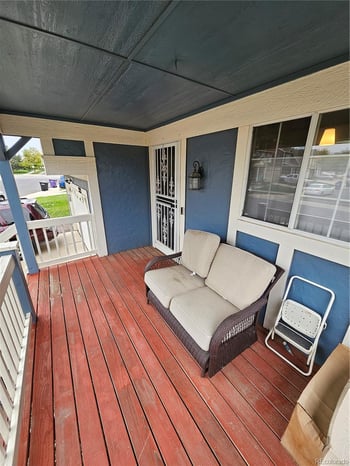
This is one of the easiest Denver-metro checks to skip because it feels ordinary during a dry, easy showing. Park mentally where you would actually park on a normal weeknight. Then trace the path from the car to the front door, and from the front door to where groceries, boots, coats, and wet gear would land. If that path is steep, shaded, awkward, narrow, or likely to collect refreeze, it matters more than people want to admit during a pleasant showing.
In Denver metro, this usually comes down to shade, orientation, and where meltwater settles. In many Denver blocks, a shaded entry, front steps, or a north-facing approach can stay slick longer than buyers expect after a thaw. A short, simple path can still be annoying all winter if it stays slick longer than the rest of the block. People who have lived through a few storms here know that the difference between a house that feels manageable in winter and one that gets old fast often comes down to that short stretch between the car and the kitchen. A clean mud zone, a practical place for boots, and a straightforward entry can make daily life much easier in January than a prettier entry that gives you nowhere useful to put anything.
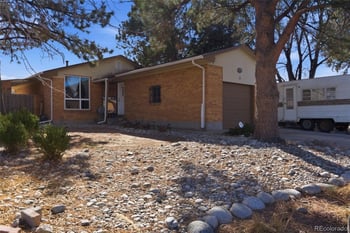
Parking is one of the biggest quiet-regret categories in Denver neighborhoods, especially where garages are older, alleys are part of the setup, or guest parking is more optimistic than real. If there is a garage, think about whether your actual vehicle fits comfortably, not whether it technically squeezes in. If the house relies on alley access, picture snow, trash day, and backing in after dark. If the area depends on street parking, look at curb signs, permit language, nearby apartment spillover, and how far you may actually walk with groceries.
This is also the point where homebuyers should ask whether the setup still works with a second car, visiting family, a caregiver, or a weeknight when the block is full and nobody is coordinating perfectly. In older Denver neighborhoods, detached alley garages often work better for storage than for larger vehicles, which is worth checking before you assume the garage solves the parking question. Guest reality matters. Some properties work fine for one careful household but become frustrating the minute family visits or someone needs reliable curb access. This hits downsizers and rightsizers especially hard because they are often trying to reduce hassle, not trade one kind of maintenance for another kind of logistics problem.
Not all stairs matter equally. Count the ones that stand between you and the parts of the house you will use every day: the main entry, the primary bedroom, the main shower, the laundry, and the route from the garage to the kitchen. A house can look easy on paper and still ask more of you than you want once you are carrying groceries, managing winter gear, helping a parent, or just trying to keep life simple.
If your home search already points toward easier living, fewer repeated chores, or less dependence on stairs over time, this is the place to be honest about fit. For many Denver-metro buyers, especially rightsizers, main-floor living is not a luxury preference. It is part of buying a home that still fits a few years from now. Around here, plenty of buyers are not looking for flashy. They are looking for a house that keeps working well without becoming a constant workaround.
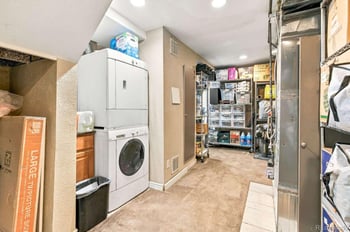
Pay attention to where things would actually go. Snow shovels, boots, dog towels, recycling, luggage, yard tools, and extra paper goods all need a real place. In older Denver homes, storage can look workable during a showing and then prove thin once coats, boots, snow tools, and household overflow are part of daily use. In newer homes, the opposite can happen: everything looks clean, but the daily-use storage is thinner than expected once real life moves in.
Also look at side-yard access, hose bib placement, basement dependence, and where exterior chores will happen. These are not glamorous checks, but they tell you a lot about how ownership will actually feel. If the property has no clear place for boots, snow tools, coats, recycling, and overflow storage, that friction usually shows up within the first few weeks of ownership.
This is where you move from noticing a concern to verifying what it means. These checks are where Denver-metro homebuyers usually protect themselves best.
If you are buying a condo, townhome, or any property with an HOA layer, do not stop at the monthly fee. Read for rules, reserves, recent minutes, and what kind of tone the association has when real issues come up. Parking rules, pet limits, rental restrictions, maintenance responsibilities, project timing, and deductible exposure shape ownership more than the dues line does by itself.
In Denver metro, one of the more frustrating post-closing discoveries is not that an HOA exists. It is that the buyer never really understood the rules, the reserve strength, the recent meeting minutes, the project backlog, or the deductible exposure until they were already in. If you are buying a condo or townhome, this is one of the most important next-step reviews in the whole transaction. Use this checklist as your next step: Denver HOA and condo docs checklist.
This is the point where “the roof seems fine” is not enough. Ask for roof age, material, any replacement history, repair records, warranty details if relevant, and anything that supports the timeline with documentation. In Denver metro real estate, it also makes sense to check permit history where available instead of relying on memory or casual estimates. The point is not to be suspicious. The point is to get concrete.
Then ask the insurance questions before you are emotionally boxed in. Can you get the kind of coverage you want at a monthly number that still fits the full payment picture? Is there likely to be hail-related friction, higher deductibles, or documentation gaps that change the math? This is one of the easiest places to protect yourself early: Denver roof and insurance check.
If the showing gave you any reason to pause on grading, basement history, downspouts, window wells, or lot drainage, now is the time to get more specific. Review disclosures carefully. Ask follow-up questions. Use your inspection period well. Look beyond whether there has been “water” and get into where meltwater goes, how the lot handles runoff, what the downspouts are doing, and whether the basement setup feels managed or improvised.
Denver-area homebuyers sometimes focus so hard on the inside finishes that they underweight the outside water path. That is backward. Flooring can be changed. The way a lot handles runoff is a bigger ownership issue. This is the right follow-up tool for that step: Denver water-risk checks.
A house can feel affordable in the abstract and still be tighter than expected once the whole monthly stack shows up. Look at the mortgage payment, then layer in insurance, HOA dues if any, utilities, parking-related costs if applicable, and the kinds of maintenance expenses this property is likely to bring sooner rather than later. A home can look fine at the mortgage-payment level and still feel tight once insurance, dues, maintenance, and the real cost of ownership settle in.
This is especially important for homebuyers trying to keep life simpler, steadier, and less surprise-driven. The right property is not just the one you can buy. It is the one that still feels workable once the monthly reality settles in. Use the payment tool here before you make the emotional jump from interested to committed: Mortgage calculator.
If parking raised even a small question during the showing, verify it now. Confirm deeded spaces, guest spaces, garage dimensions, alley conditions, permit-zone realities, and any building rules that affect how many vehicles can actually be kept there. In some Denver neighborhoods, the difference between “parking included” and “parking that works” is bigger than homebuyers expect.
This is one of those details people tend to minimize because it feels too practical to argue for. Then they move in and discover the second car, the visitor, the contractor, or the caregiver has nowhere obvious to go. If the property only works when everyone coordinates perfectly, it does not really work that well.
Before you remove contingencies, make sure you understand what ownership will actually ask of you. Who handles sidewalk snow? Who handles the roof? Who handles exterior drainage upkeep, gutter cleaning, shared walls, basement systems, and common-area issues? If it is a corner lot, does that mean a bigger snow-clearing job than you first pictured? If it is a low-maintenance community, what does “low maintenance” still leave on your plate?
This is where a lot of homebuyers get clarity. Some homes are worth the work. Others only looked low-effort because the showing stayed focused on finishes and square footage. Corner lots can also mean more sidewalk snow to clear than buyers first picture during a quick showing. The better question is whether the weekly ownership work matches what you wanted this Denver-metro home purchase to solve.
At the showing, notice what deserves a second look. Before contingencies come out, verify the items that could change your comfort, your budget, or your day-to-day ease of living. That is the pattern. You do not need to chase every possible risk. You just need to be honest about the Denver-area issues that tend to repeat in real estate purchases: water paths, winter usability, roof and insurance friction, parking reality, HOA depth, and whether the layout still works once the novelty wears off.
The homebuyers who feel best after closing are usually the ones who verified the right details before they ran out of room to negotiate. That is what this guide is for.